The Lake Ecosystem: A Hidden Underwater City
From the shoreline, a lake looks calm and simple. But beneath the surface lies a complex, living system, an underwater city governed by energy flow, nutrients, and balance. Every organism, no matter how small, plays a critical role in keeping this ecosystem alive.
At the foundation of this system are the producers: phytoplankton and aquatic plants. Phytoplankton, microscopic algae and cyanobacteria—act like floating solar panels, capturing sunlight and converting it into energy through photosynthesis. Rooted plants in shallow areas do the same. Every bit of energy in the lake’s food web begins here. Without producers, the entire system collapses.
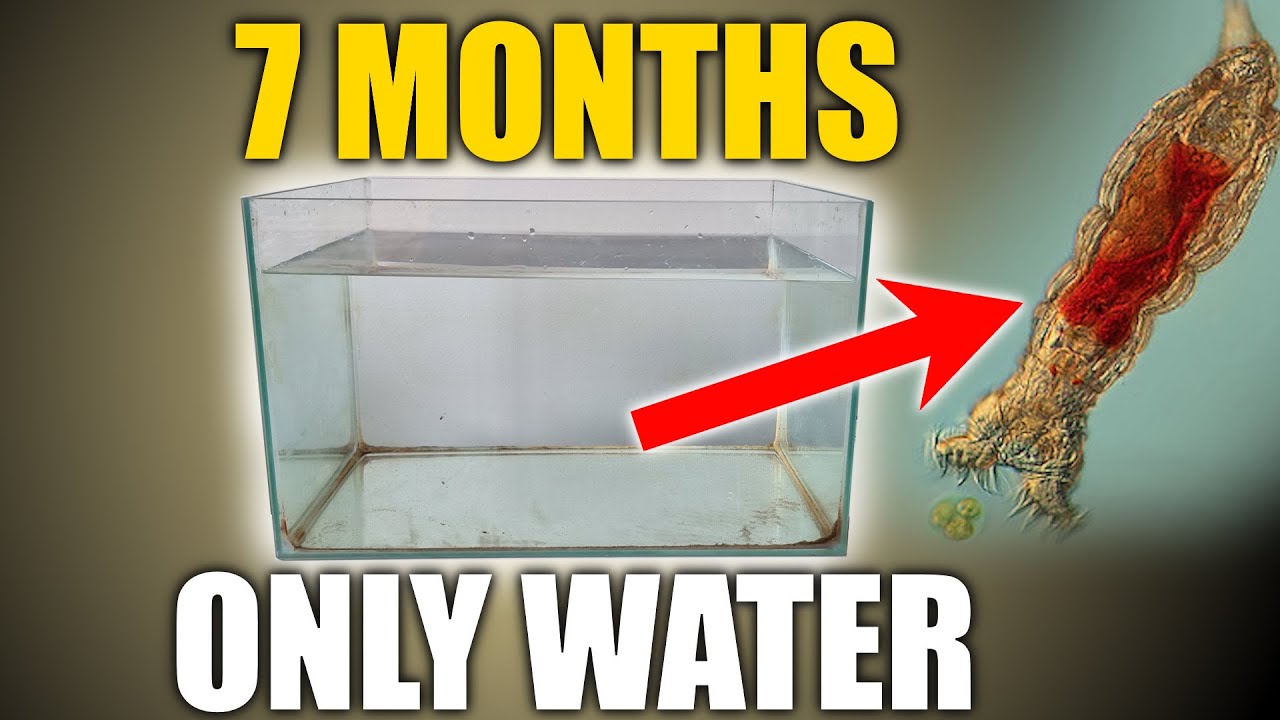
That energy moves upward through the consumers. The most important primary consumers are zooplankton, tiny drifting animals that graze on algae. They serve as both shepherds and cleanup crews, controlling algal growth while recycling organic debris. Their grazing is one of the lake’s most important natural water-clarifying processes.
Zooplankton are eaten by secondary consumers, aquatic insects and small fish, which in turn are eaten by larger predatory fish, birds, and mammals. Each step transfers energy upward, forming a tightly connected food web where every organism is both predator and prey.
When organisms die, decomposers take over. Bacteria and fungi break down dead plants and animals, converting organic material back into basic nutrients like nitrogen and phosphorus. These nutrients are released back into the water, where producers can use them again. This recycling system ensures that very little is wasted.
Together, these interactions form a food-web pyramid. Producers make up the wide base, holding most of the system’s energy. Each higher level contains fewer organisms, because energy is lost at every transfer. This structure is what keeps lake ecosystems stable and self-regulating.
Nutrients, especially nitrogen and phosphorus, fuel this entire system. They enter lakes through watershed runoff, atmospheric deposition, and internal recycling. Normally, nutrients cycle smoothly between algae, consumers, and sediments.
But lakes have a critical vulnerability. In deep water, oxygen levels can drop, especially in summer. When bottom waters become hypoxic, sediments release stored phosphorus and nitrogen back into the water. This process, known as internal loading, can trigger massive algal growth even when no new nutrients enter from outside the lake.
Zooplankton sit at the center of this balance. Healthy populations keep algae in check and maintain water clarity. But low oxygen conditions can kill sediment-dwelling zooplankton, allowing organic matter to accumulate and further deplete oxygen. Fish populations then decline, weakening top-down control.
When this balance breaks down, the lake enters eutrophication. Algal blooms explode, water turns turbid, plants die from lack of sunlight, and habitats collapse. As blooms decay, decomposition strips oxygen from the water, triggering even more nutrient release from sediments. The system feeds on itself, pushing the lake into an unstable, unhealthy state.
A healthy lake is more than water—it’s a finely tuned biological machine. Producers capture energy, consumers move it, decomposers recycle it, and nutrients power the cycle. When all parts work together, the lake remains clear, resilient, and alive. When one piece fails, the entire system can shift, reminding us that in nature, nothing acts alone.











Информация по комментариям в разработке