Dilmun: Lost Trade Hub of the Ancient World | #AncientHistory #ArchaeologyMysteries
🏛️ The Rise of Dilmun (3000 BCE):
Dilmun, centered in modern-day Bahrain and eastern Arabia, emerged as a pivotal trade nexus between Mesopotamia, the Indus Valley, and Oman. Its strategic location along Persian Gulf trade routes turned it into a wealthy hub for copper, pearls, and dates. By 2200 BCE, Dilmun’s merchants monopolized the exchange of Mesopotamian barley for Meluhhan (Indus Valley) luxury goods, cementing its reputation as the "Land of Immortality" in Sumerian myths.
🏰 Palace Complexes & Urban Centers:
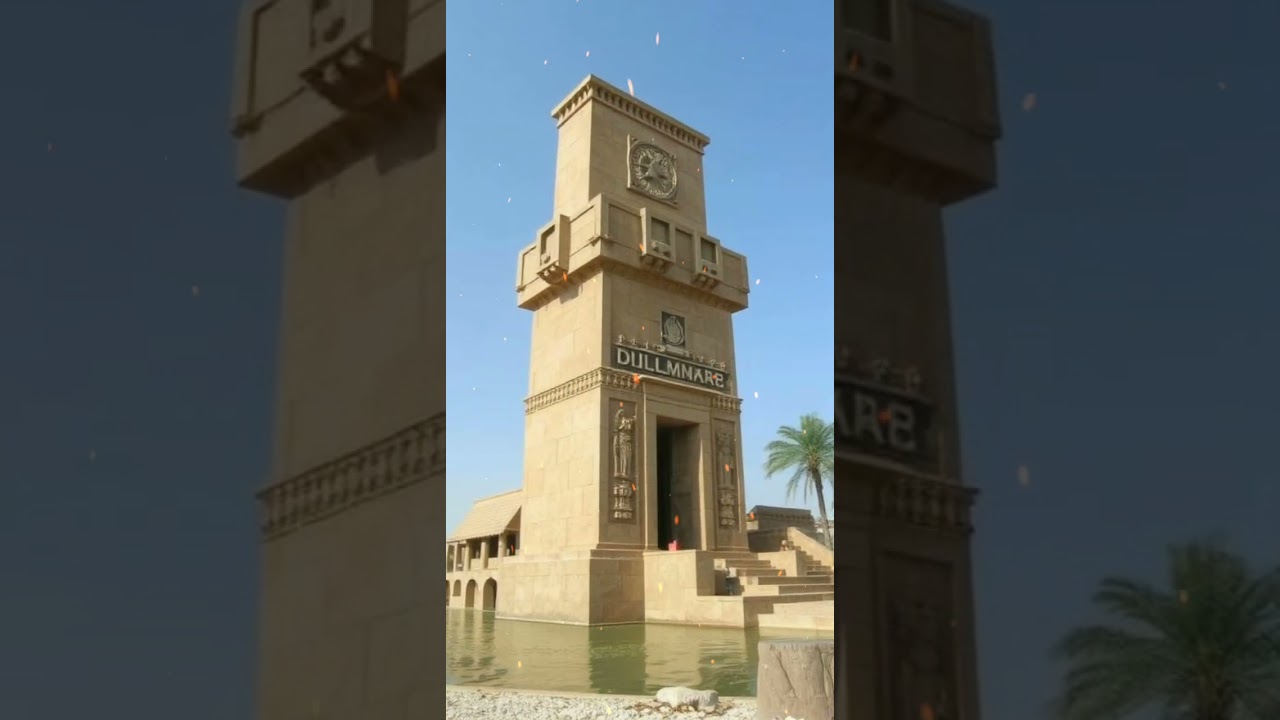
Dilmun’s cities, like Qal’at al-Bahrain, featured fortified palaces and administrative buildings constructed with limestone and coral stone. These complexes, dating to 2000 BCE, housed elite rulers and priests, showcasing advanced masonry. Nearby, the Barbar Temple (2300 BCE) revealed altars for ritual offerings, including freshwater springs linked to divine worship.
💰 Trading & Economic Growth:
Dilmun thrived on maritime trade, exporting pearls, dates, and pottery while importing ivory, timber, and gold. Its copper trade with Magan (Oman) fueled Mesopotamia’s bronze industry. By 1800 BCE, Dilmunite seals—engraved with Indus-inspired motifs—were used to authenticate goods, proving its role as a middleman in the Bronze Age’s globalized economy.
🎨 Art & Pottery:
Dilmun’s artisans crafted intricate red-ridged pottery and chlorite vessels adorned with geometric patterns. Ritual items like snake-shaped figurines and alabaster jars reflected Sumerian and Indus influences. The iconic "Dilmun seal," depicting mythological scenes, remains undeciphered, hinting at a unique script.
⛪ Religious Rituals & Beliefs:
Dilmunites worshipped Enki (Sumerian water god) and Inzak (local deity), conducting rituals at sacred springs like the Ain Umm Sujoor. Burial mounds (170,000+ tombs) held grave goods like weapons and jewelry, signaling belief in an afterlife. The "Tumulus of a Thousand Hills" in A’ali became a UNESCO World Heritage Site, symbolizing their spiritual legacy.
🏛️ Societal Structure & Wellness:
Society was stratified: elites controlled trade, while laborers farmed date palms and fished. Dental studies of skeletons reveal low disease rates, attributed to protein-rich diets and freshwater access. Women held roles as priestesses, evidenced by grave goods like cosmetic shells and jewelry.
⚙️ Engineering & Technology:
Dilmun engineered qanats (underground irrigation channels) to sustain agriculture in arid climates. Their ships, built with Mesopotamian-style reed bundles, navigated monsoon winds for long-distance trade.
🌍 Cultural Influence:
Dilmun inspired Sumerian epics like *Enki and Ninhursag*, which described it as a paradise. Its burial practices influenced later Phoenician and Persian traditions.
🌪️ Decline & Vanishing (600 BCE):
Dilmun’s decline began with Assyrian invasions (700 BCE) and Persian conquest (600 BCE). Overexploitation of pearls and soil salinity crippled its economy. By 300 BCE, it faded into obscurity, replaced by Gerrha as the Gulf’s trade hub.
Timeline of Key Events (Dilmun):
3000 BCE: Emergence as a trade center.
2200 BCE: Peak trade with Mesopotamia and Indus Valley.
2000 BCE: Construction of Qal’at al-Bahrain palace.
1800 BCE: Introduction of Dilmun seals.
700 BCE: Assyrian invasions weaken sovereignty.
600 BCE: Annexation by the Persian Empire.
300 BCE: Final abandonment of urban centers.
Summarise:
Dilmun (3000–600 BCE)
Bahrain’s ancient trade hub.
Mythical “Garden of Eden” site.
Burial mounds (170,000+ tombs).
Pearls & copper wealth.
Links to Sumerian epics.
Collapse due to Persian conquest.
Sacred springs & temples.
Undersea archaeology potential.
Seafaring mysteries.
UNESCO World Heritage status.
Factual Statements:
1. Dilmun’s burial mounds are among the world’s largest prehistoric cemeteries.
2. Its merchants pioneered monsoon-driven trade routes between Mesopotamia and India.
Benefits:
1. Facilitated cultural exchange between ancient Mesopotamia, Indus Valley, and Oman.
2. Advanced hydraulic engineering supported agriculture in arid environments.
Losses:
1. Persian conquest erased its political autonomy.
2. Overharvesting of pearls depleted marine resources.
Myths:
1. Linked to the Sumerian "Garden of Eden" due to its lush springs.
2. Legends claim Dilmun’s treasures are buried beneath Bahrain’s deserts.
Ancient trade routes, Dilmun civilization, lost civilizations documentary, Bahrain archaeology, ancient Persian Gulf.
#AncientHistory, #ArchaeologyMysteries, #LostCivilizations, #AncientTrade, #BronzeAge, #HistoricalDocumentary, #AncientEconomy, #DilmunSecrets, #Mesopotamia, #UNESCOHeritage, #historiessecret, #histories-secret.

Информация по комментариям в разработке