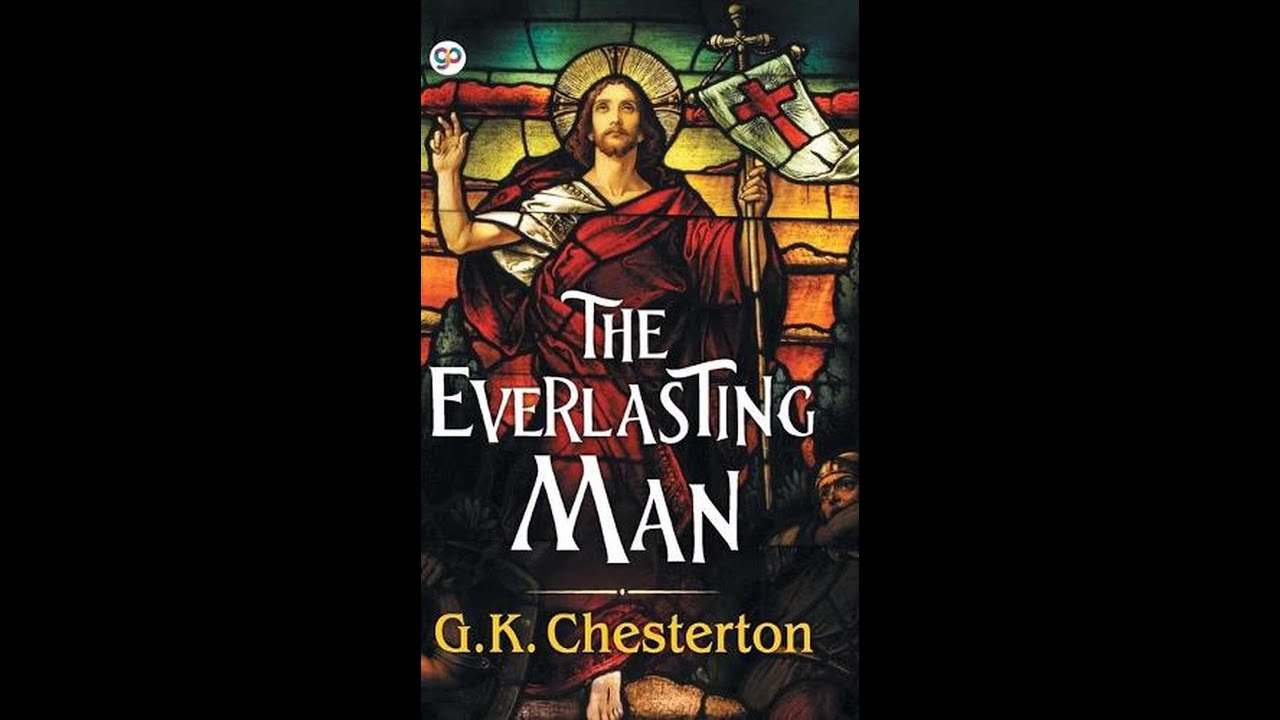
G.K. Chesterton's "The Everlasting Man" is a thought-provoking work that delves into the realm of human history, philosophy, and spirituality. Published in 1925, the book presents a profound exploration of the origins of humanity and the significance of Christianity in shaping the course of civilization.At its core, "The Everlasting Man" is an intellectual defense of Christianity against prevailing skepticism and materialistic philosophies. Chesterton argues that the rise and endurance of Christianity throughout history is not a mere accident but a testament to its profound understanding of human nature and its ability to satisfy deep spiritual yearnings.Chesterton begins his analysis by examining the prevailing theories of his time regarding the origins of humanity. He critiques the scientific and anthropological explanations that reduce human beings to mere animals, devoid of any divine essence or purpose. Instead, Chesterton asserts that human beings possess an inherent dignity and uniqueness that cannot be explained by materialistic theories alone.To establish his argument, Chesterton takes the reader on a captivating journey through ancient civilizations and mythologies. He highlights the recurring motifs and archetypes found in various cultures, suggesting that they point to a universal human experience that transcends time and place. Chesterton argues that these echoes of truth found in mythology ultimately find their fulfillment in Christianity, which offers a comprehensive and coherent worldview that addresses the deepest longings of the human soul.Furthermore, Chesterton explores the impact of Christianity on Western civilization. He contends that the Christian faith has had a profound influence on the development of art, literature, and morality. According to Chesterton, Christianity provided the moral framework necessary for the flourishing of civilization, as it recognized the inherent dignity of every human being and emphasized virtues such as compassion, justice, and humility.One of the central ideas Chesterton presents in "The Everlasting Man" is the paradoxical nature of Christianity. He argues that Christianity encompasses both the divine and the human, the infinite and the finite, in a way that no other religion or philosophy does. This paradoxical nature, he suggests, is a reflection of the fundamental mysteries of existence and the human condition.Chesterton's prose is characterized by his wit, charm, and sharp intellect. He employs humor and imaginative storytelling to engage the reader and challenge prevailing assumptions. His writing style is accessible and conversational, making complex philosophical concepts approachable to a wide audience."The Everlasting Man" ultimately invites readers to reconsider their assumptions about human nature, spirituality, and the role of Christianity in history. It encourages a deeper exploration of the profound questions that define the human experience and challenges the prevailing secular worldview that seeks to explain everything through materialistic and reductionist lenses.In conclusion, G.K. Chesterton's "The Everlasting Man" is a timeless work that offers a compelling literary analysis of human history and the significance of Christianity. Chesterton's intellectual rigor and eloquence make this book a captivating read, urging readers to reflect on the deeper truths that underpin human existence. Through his exploration of mythology, civilization, and the paradoxes of faith, Chesterton presents Christianity as a profound and enduring force that continues to shape the world we live in.

Информация по комментариям в разработке