On November 8, 2002, a frantic woman called 911 claiming a man was attacking a neighbor in Stamford’s upscale Harbor Landing apartments. The 43-second call sounded panicked—but the dispatcher sensed something off. The caller spoke with unusual clarity, used sophisticated vocabulary, and hung up too quickly. Still, officers raced to the scene.
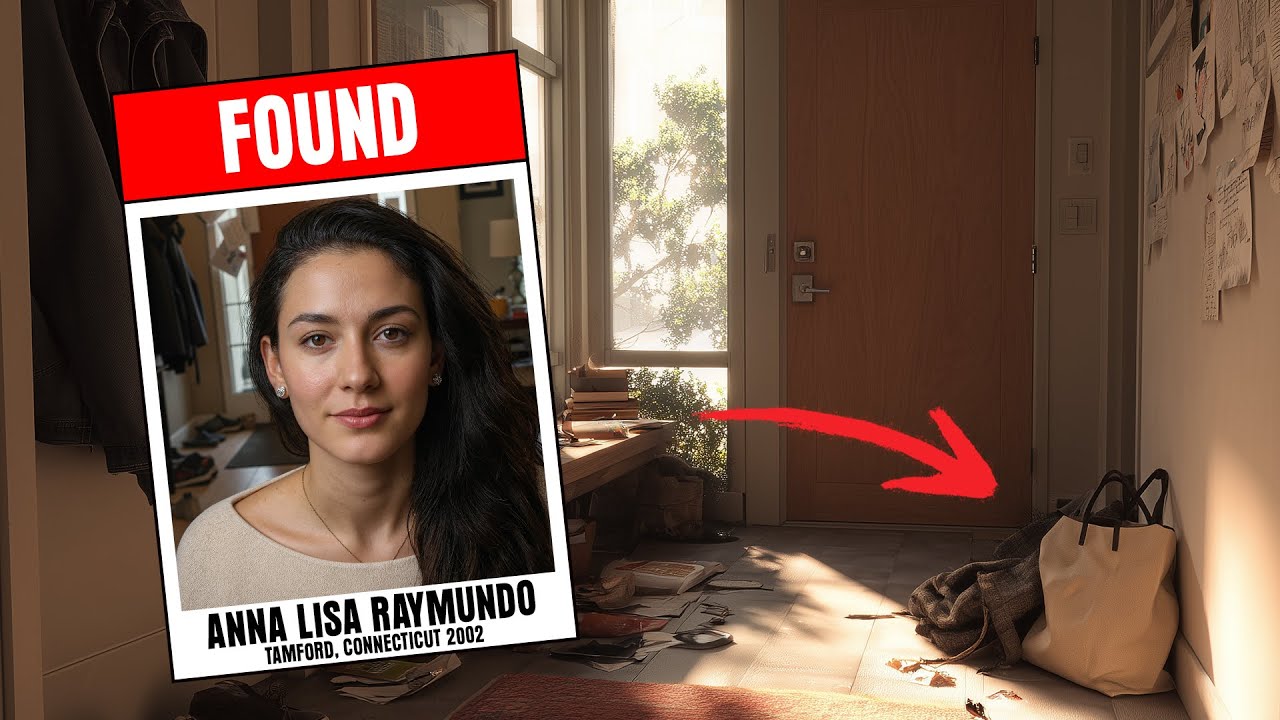
Inside the apartment, detectives found 32-year-old Anna Lisa Raymundo—a Harvard-educated research scientist—brutally stabbed. There was no forced entry, no robbery, nothing stolen. It was a personal killing. But the misleading 911 call sent investigators chasing a fictional “male attacker.”
Detective Sullivan began to unravel Anna Lisa’s life. She was kind, disciplined, and deeply invested in her work at Purdue Pharma. She was quietly dating a colleague, Narasimha “Nira” Ghulam—something only a few coworkers knew. He was devastated and quickly ruled out as a suspect.
One name, however, came up repeatedly: Sheila Davalloo, a coworker who seemed overly interested in Anna Lisa’s schedule, her projects, and especially her relationship with Nira. During her initial interview, Sheila appeared calm, strangely inquisitive, and mentioned “a man” being seen—details never released publicly.
With no physical evidence, the case went cold.
Everything changed in 2003 when Sheila attempted to murder her husband, Paul Christos, in a bizarre “game.” Paul survived and told investigators that Sheila had become obsessed with her coworkers—especially Nira and Anna Lisa. That attack revealed Sheila’s capacity for calculated violence and deception.
Detective Sullivan revisited Anna Lisa’s case. Sheila had taken the exact day off when Anna Lisa was killed. She had no alibi. Her behavior, her lies, her obsession—all pointed in one direction. But detectives still needed proof.
Years later, advancements in voice analysis technology provided the missing link. Audio experts compared the anonymous 911 call with Sheila’s recorded interviews and concluded—with less than 5% chance of error—that Sheila herself made the 911 call, disguising her voice to frame a fictional man.
This breakthrough revived the entire investigation.
In 2012—ten years after the murder—Sheila was arrested and charged. At trial, prosecutors revealed her obsession with Nira, her attempts to insert herself into his life, her tracking of Anna Lisa’s movements, and her cold, calculated planning of the murder. The 911 call became the centerpiece of the trial.
After three days of deliberation, the jury found Sheila guilty of first-degree murder.
On the tenth anniversary of Anna Lisa’s death, Sheila was sentenced to 50 years in prison. Anna Lisa’s parents finally received the justice they had waited a decade for—not with celebration, but with quiet relief.
Her case became a landmark example of how persistence and technology can revive cold cases once thought unsolvable. Anna Lisa’s memory lives on through a memorial research fund in her name.

Информация по комментариям в разработке