The Fallout franchise, born in 1997, is a cornerstone of post-apocalyptic gaming, blending retro-futuristic aesthetics with deep role-playing mechanics. Developed by Interplay Entertainment’s Black Isle Studios, the original Fallout introduced players to a world ravaged by nuclear war, where survivors navigate a grim, irradiated wasteland. Set in a divergent timeline where 1950s optimism meets advanced technology, the game’s universe is defined by its atomic age paranoia, with Vault-Tec shelters and mutated creatures shaping a hauntingly unique setting. Players explored Southern California as the Vault Dweller, tasked with saving their underground community, Vault 13, by finding a replacement water chip. Its isometric perspective, turn-based combat, and open-ended storytelling, powered by the S.P.E.C.I.A.L. system, gave players unprecedented freedom in shaping their character’s journey, from dialogue choices to moral dilemmas.
Fallout 2, released in 1998, expanded the scope, introducing a sprawling narrative set 80 years after the first game. Players took on the role of the Chosen One, a descendant of the original protagonist, seeking the G.E.C.K. to save their tribal village. The sequel refined the mechanics, deepened the lore, and introduced memorable factions like the Enclave, a shadowy remnant of the pre-war government. Despite its critical acclaim, Interplay’s financial struggles led to a shift in the series’ trajectory. Fallout Tactics (2001) pivoted to squad-based combat, while Fallout: Brotherhood of Steel (2004) experimented with a console-focused action format, both receiving mixed reception for straying from the RPG roots.
The franchise’s modern era began when Bethesda Softworks acquired the rights in 2004, releasing Fallout 3 in 2008. Transitioning to a first-person perspective and powered by the Gamebryo engine, Fallout 3 brought the series to a new generation. Set in the Washington, D.C. wasteland, players emerged from Vault 101 to search for their missing father in a world teeming with super mutants, raiders, and moral ambiguity. The game’s open-world exploration, combined with V.A.T.S. (a nod to the turn-based roots), captivated players, though some purists critiqued its departure from the original style. Fallout: New Vegas, developed by Obsidian Entertainment in 2010, built on this foundation. Set in a vibrant, faction-driven Mojave Desert, it blended Bethesda’s open-world formula with Black Isle’s narrative depth, earning praise for its branching storylines and player-driven outcomes.
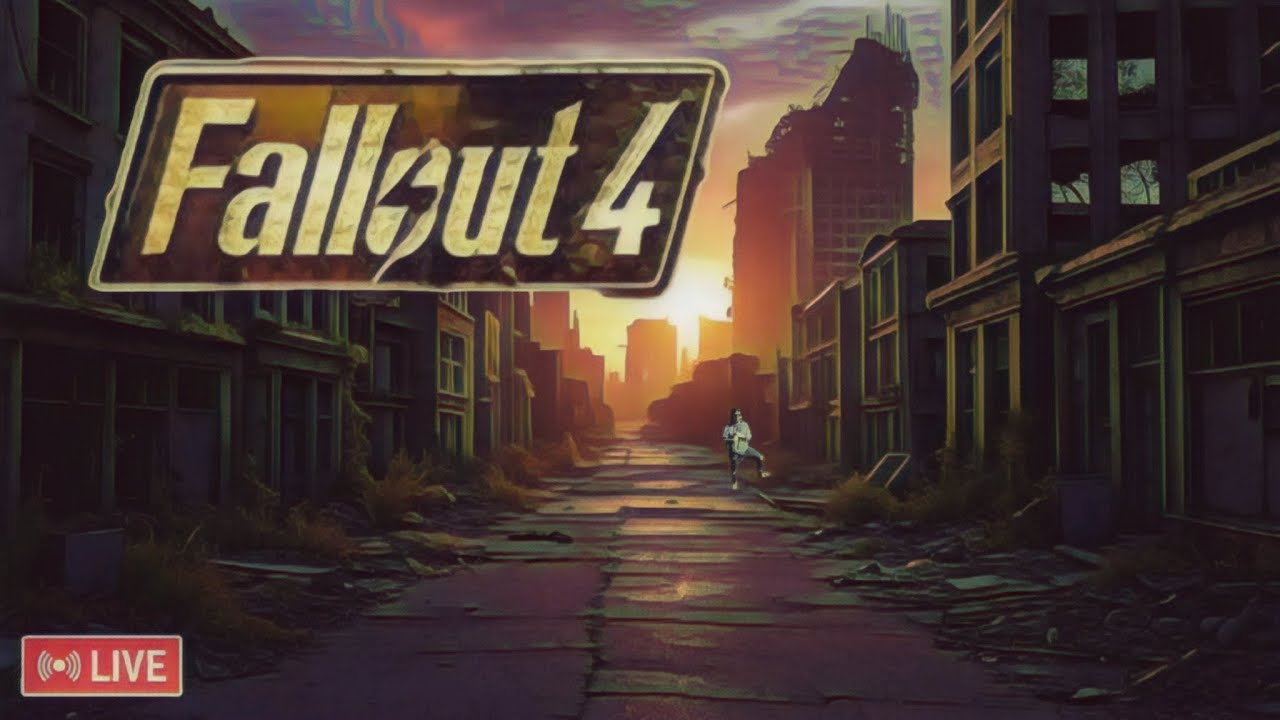
Fallout 4, released in 2015, pushed the series further into mainstream success with refined graphics, base-building mechanics, and a voiced protagonist. Set in Boston’s Commonwealth, players pursued their kidnapped son while navigating a world of synths and the Institute. While praised for its polish and exploration, some felt the streamlined RPG elements diluted the series’ complexity. Fallout 76, launched in 2018, took a bold but controversial step into multiplayer. Set in a prequel Appalachia, it initially launched with technical issues and sparse content, alienating fans. However, updates like Wastelanders (2020) added NPCs and story depth, gradually redeeming its reputation.
Beyond games, Fallout’s universe has expanded through mods, fan content, and a 2024 Amazon Prime TV series, which brought the wasteland to life with a new story set in Los Angeles. The franchise’s enduring appeal lies in its blend of dark humor, moral complexity, and a world where humanity’s resilience shines through devastation. From its isometric origins to its modern open-world epics, Fallout remains a testament to the power of player choice and post-apocalyptic storytelling.
🔔 Subscribe and hit the notification bell to catch every stream!
👍 Like and comment to support the channel

Информация по комментариям в разработке