Let's connect!
Instagram - / si_laagan
Facebook - / noelcabulao27
Twitter - / noelcabulao
▬▬▬▬▬▬▬▬▬▬▬▬▬▬▬▬▬▬▬▬▬▬▬▬▬▬▬▬▬▬▬
Previous videos:
• Filipino Street Food in Riyadh + Tahlia St...
• Tbilisi Sea | Tbilisi, Georgia (Country) |...
• EDGE OF THE WORLD, RIYADH 2018 + DRONE FOO...
• ABHA TRIP أبها رحلة قصيرة DAY 1 OF 3 (PAR...
▬▬▬▬▬▬▬▬▬▬▬▬▬▬▬▬▬▬▬▬▬▬▬▬▬▬▬▬▬▬▬
About Me:
Hello Youtube!
It's Noel here! A very New Content Creator. I’m from the Philippines and currently working in Saudi Arabia. I am now enjoying creating videos from my random activities -vlog, food, travel adventure, reaction video, etc.
I am still learning on how to make my vlog interesting. I even don’t have the confidence facing the camera, but for sure, I am enjoying what I am doing. But, there is one thing that struggles me! My BAD ENGLISH, LOL! Yeah, I know, I can use my language to my videos, particularly to my vlog, but I am thinking about my non-Filipino friends and to my non-Filipino subscribers. That is why I am trying my best to make an English vlog or video.
In no time, I want to become a full-time Youtuber, doing travel vlog, and film.🙈 I know, it’s too ambitious for me, BUT DREAMing BIG is free! So why not to DREAM BIG. 💪🏼 Travel vlogging and Filming! Wow. That’s huge! 😅. I still have to learn a lot of things, though!😅 For now, I am watching and getting ideas from my fav Youtuber like Peter McKinnon, Parker Walbeck, Brandon Li, etc.
Thank you for reading my “about” section pal! I hope you’ll support my channel!
Please Subscribe, Like, and Share my vids! Mwuahh❤️❤️❤️
▬▬▬▬▬▬▬▬▬▬▬▬▬▬▬▬▬▬▬▬▬▬▬▬▬▬▬▬▬▬▬
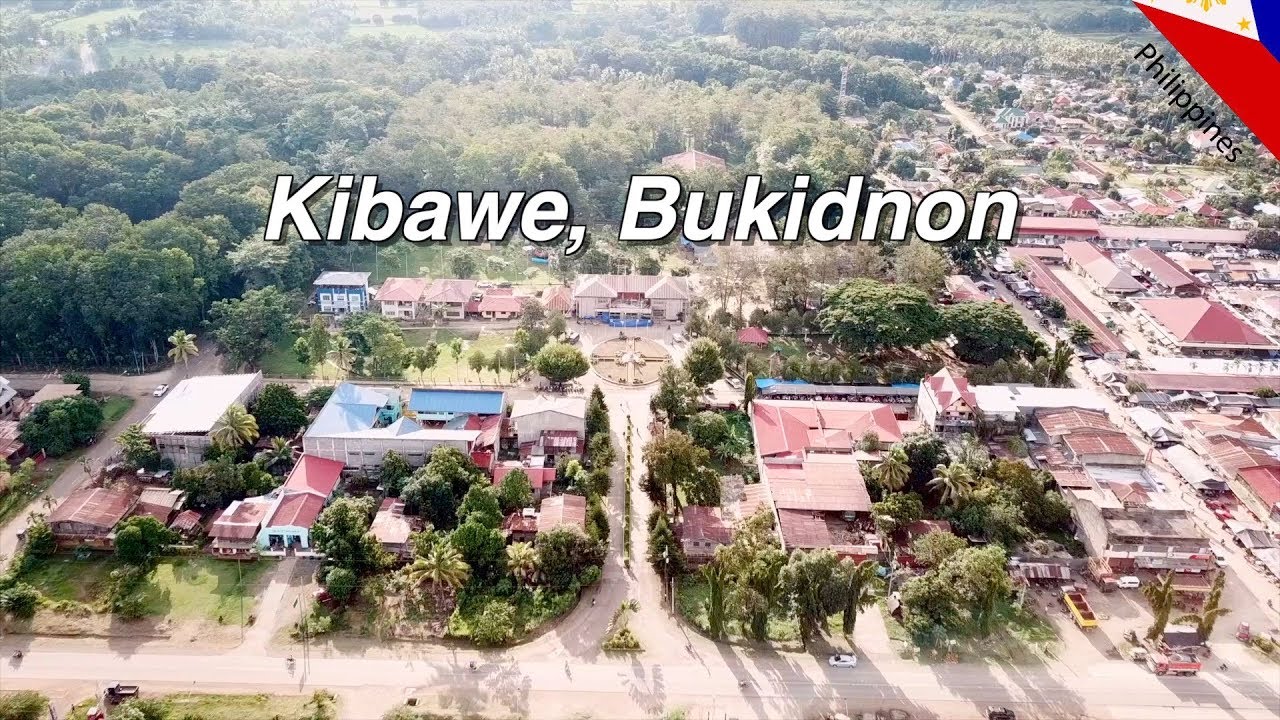
Kibawe, officially the Municipality of Kibawe, is a 2nd class municipality in the province of Bukidnon, Philippines. According to the 2015 census, it has a population of 39,612 people.
Kibawe is a rich land at the center of Mindanao, located in southern Bukidnon. It is bounded on the north by the municipality of Dangcagan, on the south by the municipality of Damulog, on the east by the municipality of Magpet, North Cotabato, and on the west by the municipality of Kadingilan with Muleta River serving as a natural boundary. It has a total land area of 301.43 square kilometers (116.38 sq mi), with an approximate land elevation of 337 meters (1,106 ft) above sea level.
In the early days of the American regime, Kibawe was populated by a tribe of Mamadas people. The Mamadas people were nomadic by nature and subsisted on hunting and forest products. They maintained small plots of corn, camote and gabi in places where they built their temporary shelters. They practised a feudal type of government and were responsible only to their datus who governed as their political chieftain, judge, religious leader and armed-forces chief. The most famous among the “datus” was Datu Mambantayao. Datu Mambantayao's bravery and love for his subjects were unexcelled and remain in the hearts and minds of the people to this day. One of the historic events of his life as a datu was the capturing of a lady whom he loved. She was abducted by a tribe from Bugcaon, Malaybalay, Bukidnon, seventy kilometers away from Kibawe. Datu Mambantayao, along with his armed trained warriors marched to Bugcaon, which they attacked heavily, plundering and killing the Bugcaons’ chieftain for the recovery of the lady who he later married. Datu Mambantayao named this place Kibawe from the word “Guibawe” meaning recovery.
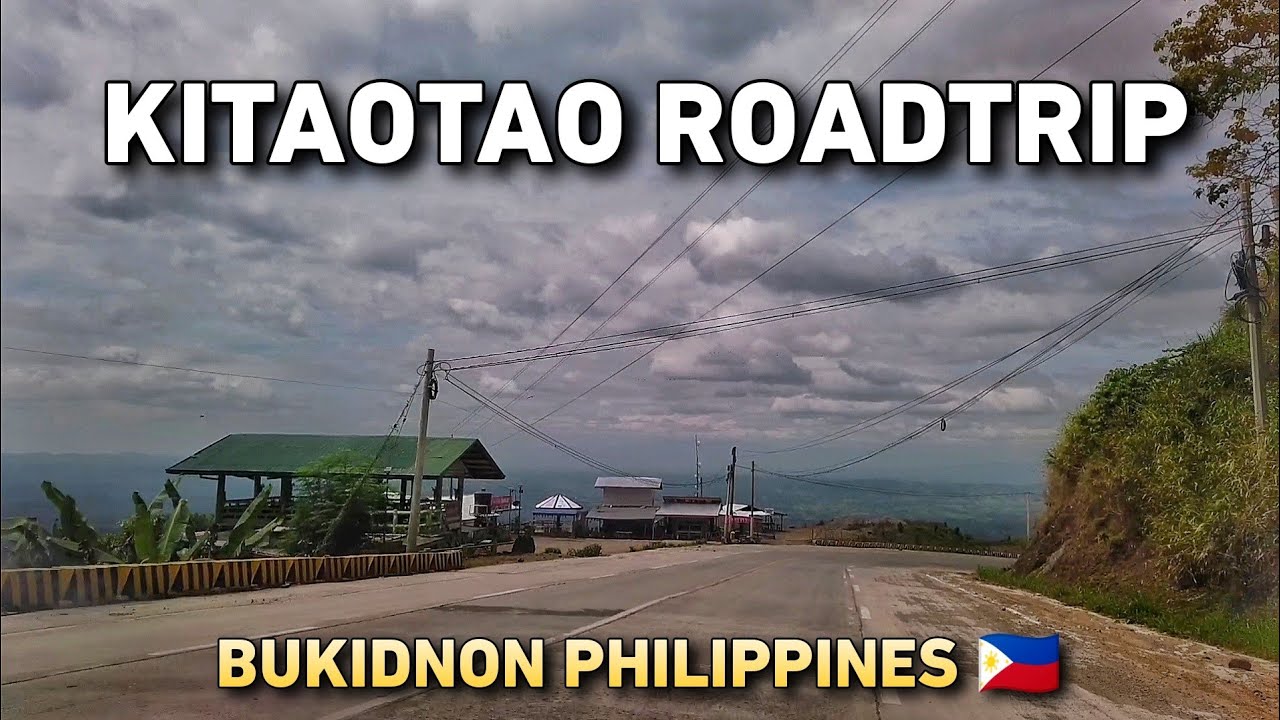
Bukidnon was eventually created as a separate province from Agusan. Kibawe became a barrio of Maramag. It now occupied the southern portion of Bukidnon, bounded on the north by Maramag, on the south by Carmen, Cotabato, on the east by Magpet, Cotabato and on the west by Lanao Sur. It covered the present areas of the mother municipality of Kibawe, the daughter municipalities of Dangcagan, Damulog and Kadingilan and grand daughter municipality of Kitaotao, with a land area of approximately 1,250 km2 (480 sq mi)
Kibawe became a municipal district in 1931 and then became a regular municipality on July 1, 1956 under Executive Order 272 issued by then president of the Philippines, President Carlos P. Garcia. Later on, barrio Dangcagan separated into a regular municipality. The growth and development of the municipality served high after the Second World War as immigrants from all over the country (mainly from Visayas and Mindanao) came flocking into the fertile valleys and low mountains of the community.









Информация по комментариям в разработке