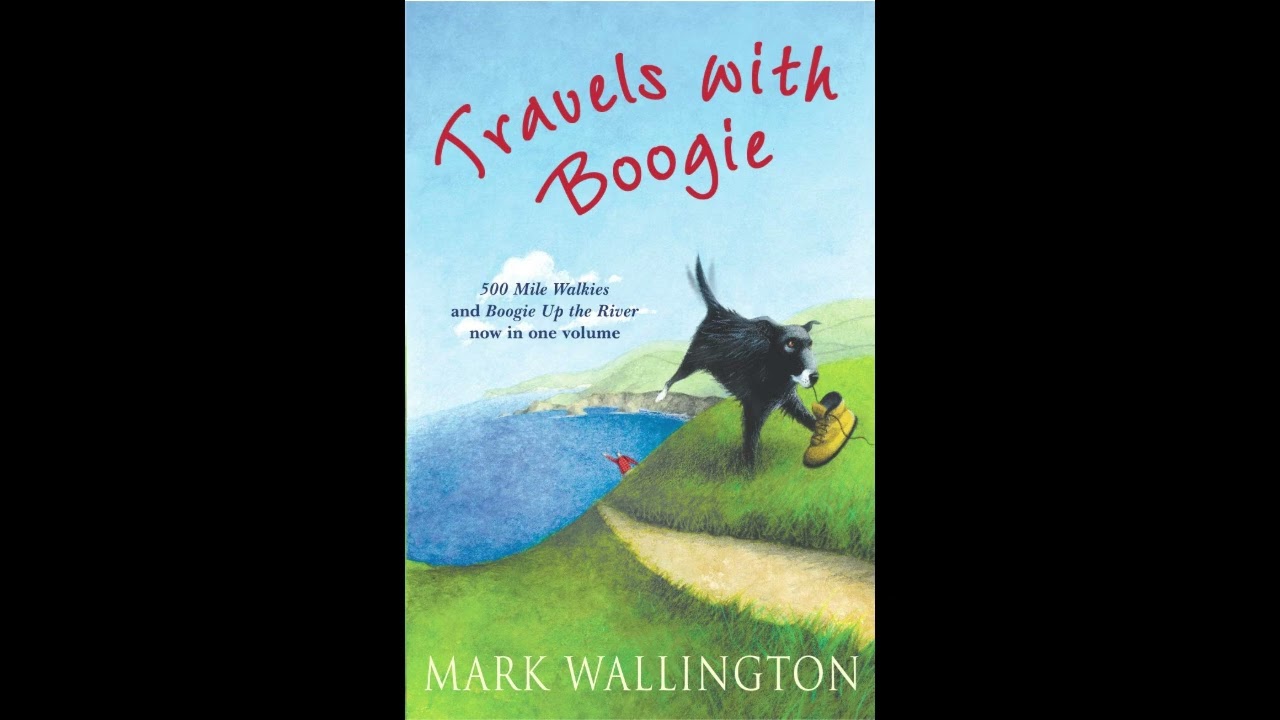
Mark Wallington’s Travels With Boogie is a humorous and reflective account of long-distance walking, travel, and the companionship between a man and his dog. Combining 500 Mile Walkies and Boogie Up the River in one volume, the book follows Wallington and his Labrador, Boogie, as they embark on two separate journeys—one along the South West Coast Path and the other up the Thames. Through these experiences, Wallington offers a witty and self-deprecating perspective on the challenges of walking long distances, the unpredictability of nature, and the joys and frustrations of traveling with a canine companion.
The first journey, covering 500 miles along the South West Coast Path, showcases Wallington’s inexperience as a long-distance walker. His struggles with the physical demands of the journey, from aching muscles to relentless weather, are met with Boogie’s unwavering enthusiasm for food and adventure. The contrast between Wallington’s introspection and Boogie’s simple, instinctive joys creates much of the book’s humor. Encounters with eccentric locals, fellow travelers, and the unpredictable British countryside add to the charm, painting a vivid picture of the quirks and trials of walking across England’s rugged coast.
The second journey takes Wallington and Boogie along the Thames, from London to the river’s source. This expedition presents a different set of challenges, with urban landscapes giving way to rural tranquility. The Thames, a river steeped in history and literature, provides Wallington with ample opportunity to reflect on its cultural significance. The book’s tone shifts between comedic mishaps, philosophical musings, and moments of genuine appreciation for the landscapes they traverse. Boogie, ever the pragmatic traveler, remains more concerned with his next meal than with any grand sense of adventure, providing a humorous counterpoint to Wallington’s attempts at deeper reflection.
Beyond its humor, the book offers a meditation on the nature of travel and companionship. Wallington does not romanticize his journeys but presents them with an honesty that highlights both their rewards and frustrations. The presence of Boogie is central to this, as the dog’s straightforward needs and instincts keep the narrative grounded. The relationship between man and dog, filled with affection, exasperation, and mutual dependence, becomes one of the book’s most compelling themes.
Wallington’s writing is lighthearted but thoughtful, blending observational humor with genuine insight. His descriptions of the English landscape capture both its beauty and its unpredictability, while his interactions with people along the way add warmth and variety to the narrative. The book also explores the contrast between solitude and connection, as Wallington often finds himself alone with his thoughts but frequently drawn into unexpected conversations with strangers.
Ultimately, Travels With Boogie is more than just a travel memoir; it is an exploration of perseverance, companionship, and the unpredictable joys of journeying on foot. Wallington’s ability to find humor in discomfort and meaning in the mundane makes the book an engaging and entertaining read, appealing to those who appreciate travel writing, British humor, and the unique bond between humans and their animal companions.

Информация по комментариям в разработке