Liver failure is a life-threatening condition that often develops silently over years, with most people unaware their liver is dying until damage becomes irreversible and complications appear. For people over 60, early recognition of liver failure symptoms is critical because the liver's regenerative capacity decreases with age, and seniors often have multiple conditions that accelerate liver damage.
This video reveals 12 early signs of a dying liver that only few people know, helping you recognize warning signals before it's too late. The first sign is persistent, unexplained fatigue that doesn't improve with rest—one of the earliest indicators that the liver can no longer metabolize nutrients and produce energy efficiently. The second sign is jaundice, yellowing of the skin and whites of the eyes caused by bilirubin buildup when the failing liver can't process this yellow pigment properly.
The third sign is dark urine that looks tea-colored or brown, indicating that excess bilirubin is being excreted through the kidneys instead of being processed by the liver. The fourth sign is pale or clay-colored stools, occurring when bile isn't reaching the intestines due to liver dysfunction or bile duct blockage. The fifth sign is persistent itching (pruritus) all over the body without rash, caused by bile salts accumulating under the skin when the damaged liver can't eliminate them.
The sixth sign is easy bruising and bleeding, including nosebleeds, bleeding gums, and bruises that appear without injury, because the dying liver can no longer produce enough clotting factors. The seventh sign is abdominal pain and tenderness in the upper right side where the liver is located, often described as a dull ache or feeling of fullness.
The eighth sign is abdominal swelling (ascites), fluid buildup in the belly that makes it appear distended and tight, caused by the liver's inability to produce albumin protein that keeps fluid in blood vessels. The ninth sign is swelling in legs and ankles (edema), where fluid accumulates in the lower extremities due to low albumin and increased pressure in the portal vein.
The tenth sign is loss of appetite and nausea, often accompanied by vomiting, weight loss, and a general feeling of being unwell (malaise), as toxins build up in the bloodstream when the liver can't detoxify properly. The eleventh sign is mental confusion and cognitive changes (hepatic encephalopathy), including memory problems, difficulty concentrating, personality changes, disorientation, and extreme drowsiness, caused by ammonia and other toxins affecting brain function.
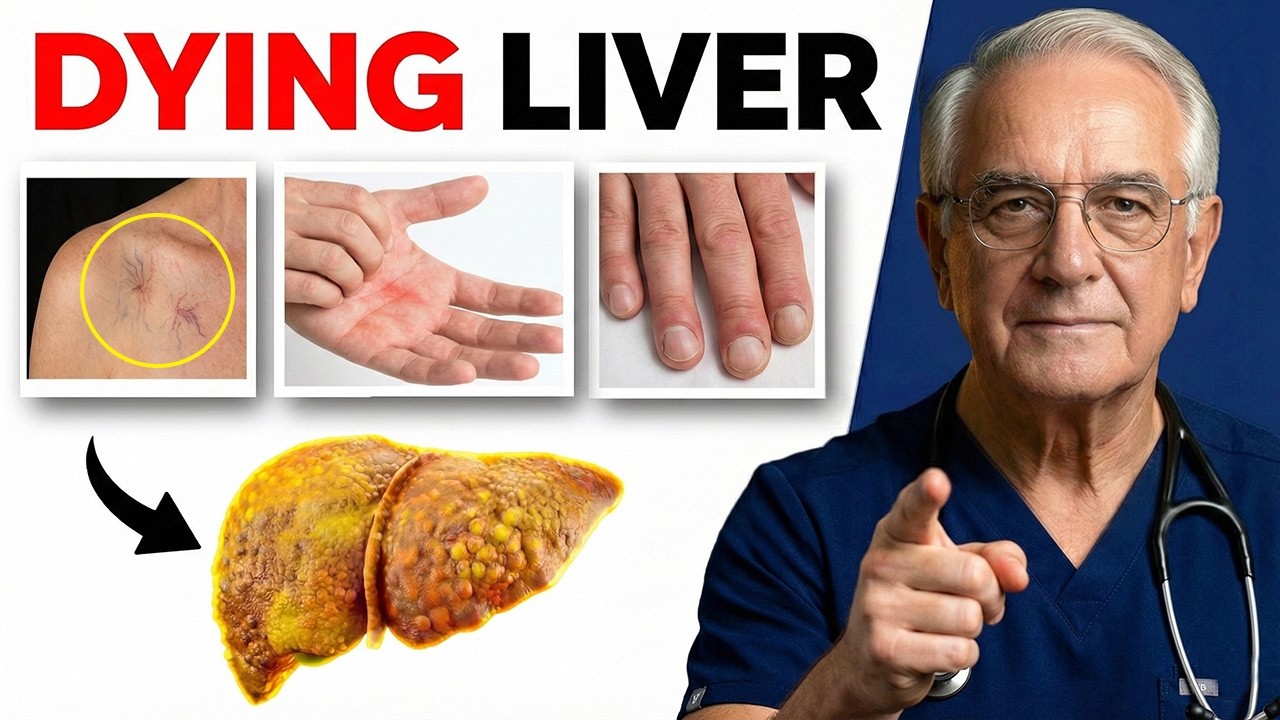
The twelfth sign is spider angiomas and red palms, visible spider-like blood vessels appearing on the face, neck, chest, and arms, along with reddened palms, indicating that the liver can no longer break down estrogen and other hormones properly. Additional warning signs include a musty or sweet-smelling breath, shortness of breath, tremors in the hands, and unexplained fever.
Studies show that people with end-stage liver disease experience an average of 14 major symptoms in their final month, with all participants in one study experiencing significant liver failure symptoms in the three months before death. Around 50% of liver disease patients with ascites die within two years, and most people who develop hepatic encephalopathy survive for around 12 months. Early detection through blood tests (liver function tests, bilirubin, albumin levels) and imaging can identify liver problems before they progress to end-stage disease, when liver transplant may be the only option.
Medical Disclaimer: This content is for educational purposes only and does not replace professional medical evaluation. If you have mobility problems, chronic conditions, osteoporosis, cardiovascular disease, or are taking blood-thinning medications like warfarin, consult your healthcare provider immediately if you experience any signs of liver failure, as early intervention can prevent life-threatening complications.

Информация по комментариям в разработке