Morphology Of Leaf (Lecture 1) In Hindi/Urdu.
Leaves are the main photosynthetic organs of plants and exhibit a wide range of morphological characteristics. Here are some key aspects of leaf morphology:
1. **Leaf Shape**: Leaves can have various shapes, including linear, lanceolate (lance-shaped), ovate (egg-shaped), cordate (heart-shaped), palmate (hand-shaped), and pinnatifid (deeply lobed). The shape is often a distinguishing feature for plant identification.
2. **Leaf Margin**: The edge or margin of the leaf can be entire (smooth), serrate (saw-toothed), crenate (rounded teeth), lobed, or even dissected (deeply divided).
3. **Leaf Venation**: The vascular system within the leaf, known as venation, can be parallel (as in monocots), reticulate (net-like, as in most dicots), or pinnate (feather-like).
4. **Leaf Arrangement**: Leaves can be arranged on the stem in an alternate, opposite, or whorled pattern.
5. **Leaf Complexity**: Leaves can be simple (a single blade) or compound (divided into leaflets attached to a common petiole).
6. **Leaf Base**: The base of the leaf where it connects to the stem can be rounded, cordate, cuneate (wedge-shaped), or attenuate (tapering).
7. **Leaf Apex**: The tip of the leaf can be acute (sharp), obtuse (blunt), acuminate (long-pointed), or emarginate (notched).
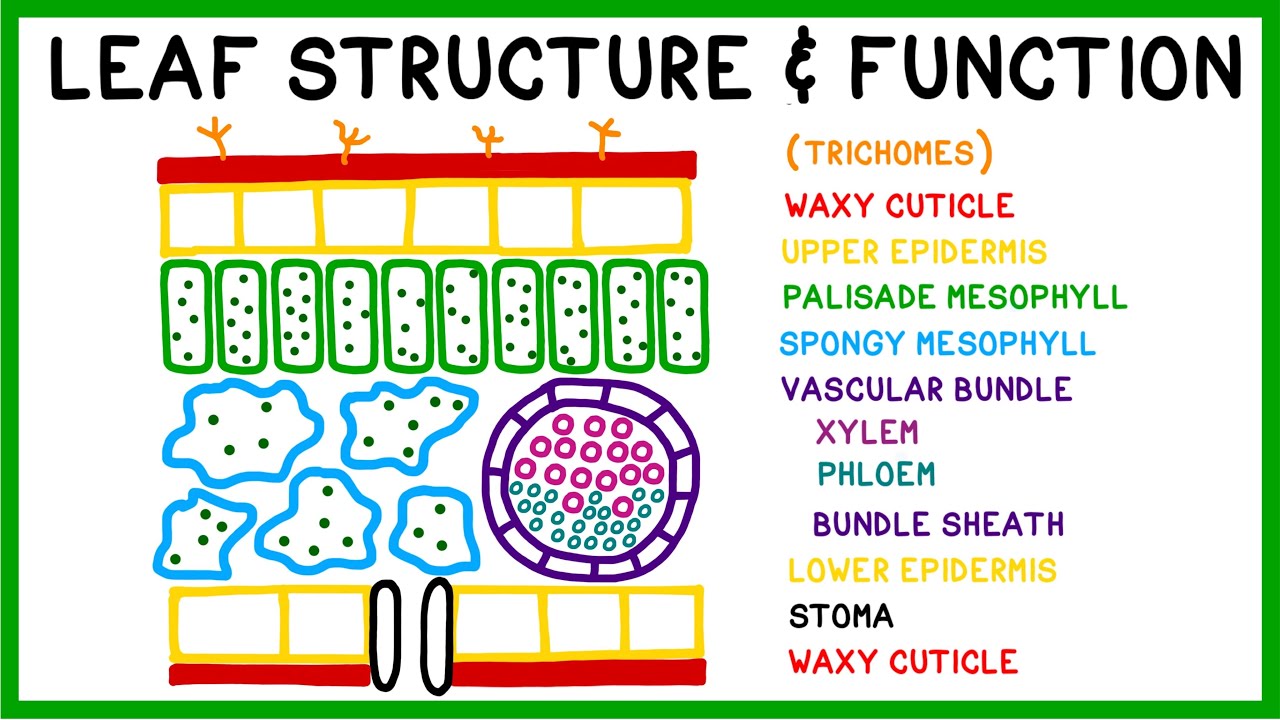
8. **Leaf Surface**: The surface of the leaf can be smooth, hairy, glossy, or have a waxy cuticle.
9. **Leaf Texture**: The texture of the leaf can be thin and delicate, thick and leathery, or somewhere in between.
10. **Leaf Color**: Leaves can exhibit a wide range of colors, including green, red, purple, yellow, and even variegated patterns.
These morphological characteristics of leaves are crucial for plant identification and understanding the adaptations of different plant species to their environments.
#morphologyofleaf
#morphologyofplantleaf
#leafmorphology
#biologywithwk
Информация по комментариям в разработке