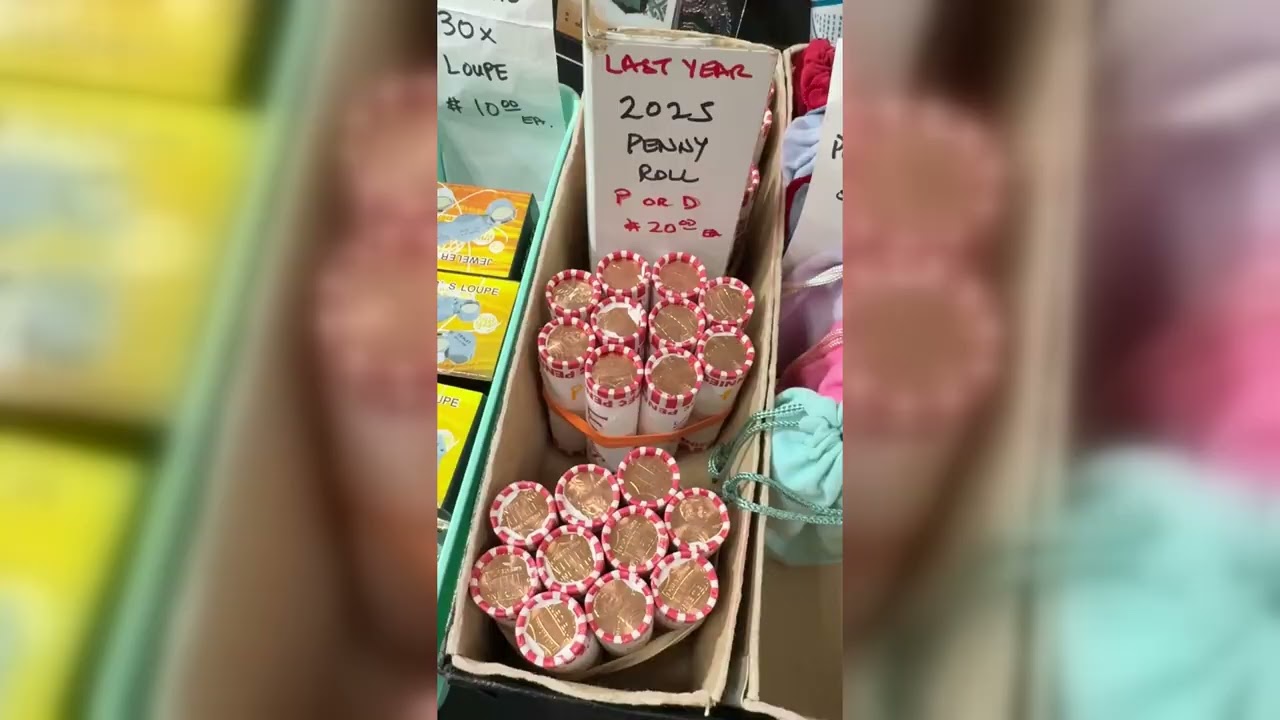
There were so many coins on sale at the Arcadia coin show this January 2026! It was a really entertaining and informative experience. Take a look. Also check out my TikTok (@yunatic1)
Eventually, paper money will be out, and digital currency will be the only way that Americans will be able to conduct transactions. It already happened in China for many years. If you are a criminal, your digital assets can be immediately frozen and/or seized by the authorities. The authorities can also track every transaction you have made, so your whereabouts and buying preferences ware essentially public information. There will be no more hiding behind "invisible" cash transactions. To compound on the digital currency idea, there will be transactions with cryptocurrency in addition to the regular, nationally-approved currency. I have a feeling this is the "mark of the beast" described in the Book of Revelation.
Mintmarks are small letters indicating where coins were made.
C = Charlotte, NC (gold coins only; 1838-1861)
CC = Carson City, NV (gold and silver coins only; 1870-1893)
D = Dahlonega, GA (gold coins only; 1838-1861)
D = Denver, CO (1906 to present)
O = New Orleans, LA (gold and silver coins only; 1838-1861; 1879-1909)
P = Philadelphia, PA (1793 to present)
S = San Francisco, CA (1854 to present)
W = West Point, NY (1984 to present)
Official ANA Grading System
When a coin is submitted for grading, it usually takes around 4 to 5 months to get back the results. When handling a valuable coin given by another person, it is a breach of numismatic etiquette to not wear gloves. You must touch the coin only at its edges.
PF-70 (Perfect Proof)
PF-65 (Gem Proof)
PF-63 (Choice Proof)
PF-60 (Proof)
MS-70 (Perfect Uncirculated)
MS-65 (Gem Uncirculated)
MS-63 (Choice Uncirculated)
MS-60 (Uncirculated)
AU-55 (Choice About Uncirculated)
AU-50 (About Uncirculated)
EF-45 (Choice Extremely Fine)
EF-40 (Extremely Fine)
VF-30 (Choice Very Fine)
VF-20 (Very Fine)
F-12 (Fine)
VG-8 (Very Good)
G-4 (Good)
AG-3 (About Good)
bag mark = a surface mark, usually a small nick, acquired by a coin through contact with others in a mint bag
bullion = uncoined gold or silver in the form of bars, ingots, or plates
CACG = Certified Acceptance Corporation Grading
clad coinage = American dimes, quarters, half dollars, and some dollars made since 1965; each coin has a center core of pure copper, and a layer of copper-nickel or silver on both sides
die = a piece of metal (usually hardened steel) with an incuse reverse image used for making and stamping coins
dipping = refers to chemical cleaning of a coin to remove oxidation or foreign matter
double eagle = a gold US coin worth $20 when used as regular currency
electrotype = a reproduction of a coin or medal made by the electrodeposition process; electrotypes are frequently used in museum displays
error = a mismade coin not intended for circulation
fineness = the purity of gold, silver, or any other precious metal, expressed in terms of one thousand parts; e.g., a coin of 90% pure silver is 0.900 fine
flan = a blank piece of metal in the shape and size of a coin; also called "planchet"
gem = a coin of exceptionally high quality, typically considered MS-65 or PF-65 or better
junk silver = common-date silver coins in circulated grades, worth only their bullion value
LE = lettered edge
mint luster = shiny "frost" or brilliance on the surface of an uncirculated or mint state coin
NGC = Numismatic Guaranty Company of America
obverse = the front or face side of a coin; opposite side is called "reverse"
OGP = original government packaging
patina = the green or brown surface film found on ancient copper and bronze coins, caused by oxidation over a long period of time
pattern = experimental or trial coin, generally of a new design, denomination, or metal
PCGS = Professional Coin Grading Service
pedigree = the record of previous owners of a rare coin
proof = a specimen striking of coinage for presentation, souvenir, exhibition, or numismatic purposes
quarter eagle = a gold US coin worth $2.50 when used as regular currency
raw = a coin that has not been encapsulated by an independent grading service
relief = any part of a coin's design that is raised above the coin's field; the opposite of relief is "incuse," meaning sunk into the field
slab = a hard plastic case containing a coin that has been graded and encapsulated by a professional service
uncirculated = a circulation-strike coin that has never been used in commerce, and has retained its original surface and luster; also called "mint state"
variety = a coin with a die characteristic that sets it apart from the normal issues of its type

Информация по комментариям в разработке