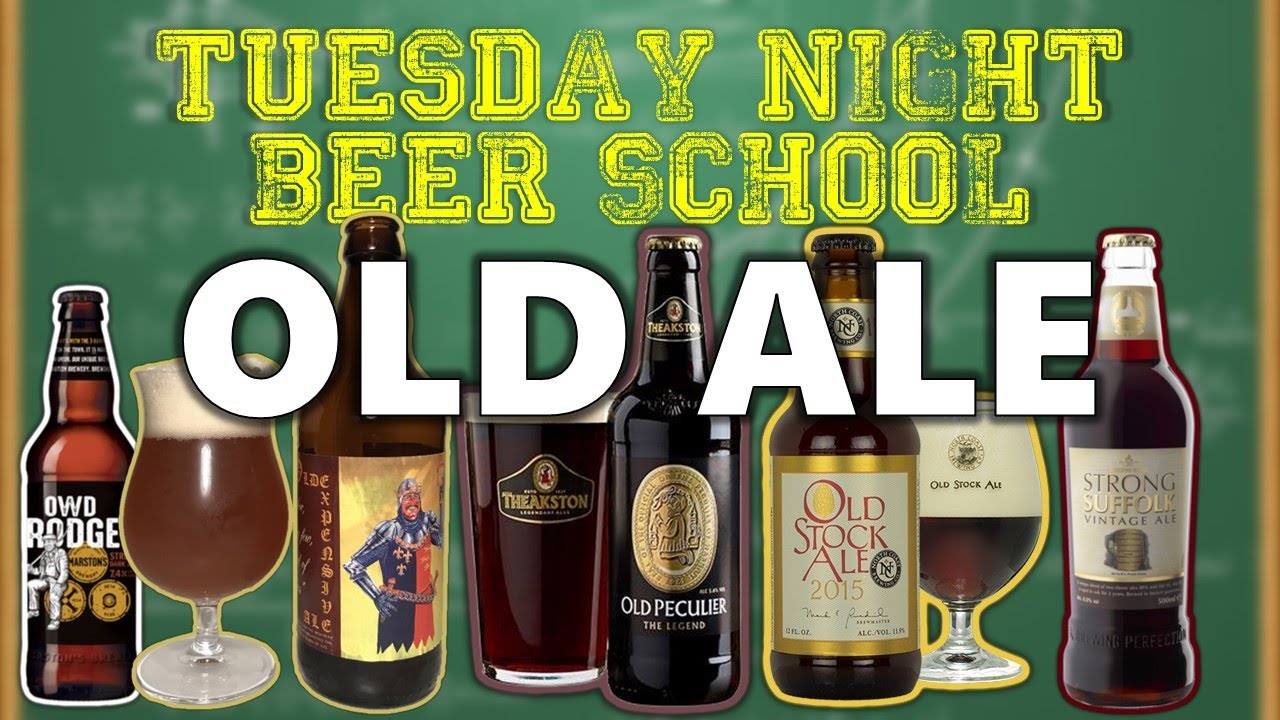
Somewhere betwixt the British Strong Ale and English Barley Wine styles lies the Old Ale. It's got characteristics of both styles, but what sets it apart is, as its name implies: age. In fact, Old Ale is one of a handful of styles where age is actually expected. It's difficult to find beers of the style in the USA anymore, but one widely available example would be "Old Stock Ale" by North Coast Brewing. Can an American craft brew accurately represent this niche Old World style? Watch and find out!
From the 2021 𝓑𝓙𝓒𝓟 𝓢𝓽𝔂𝓵𝓮 𝓖𝓾𝓲𝓭𝓮𝓵𝓲𝓷𝓮𝓼
𝟭𝟳𝗕. 𝗢𝗹𝗱 𝗔𝗹𝗲
𝗢𝘃𝗲𝗿𝗮𝗹𝗹 𝗜𝗺𝗽𝗿𝗲𝘀𝘀𝗶𝗼𝗻: A stronger-than-average English ale, though usually not as strong or rich as an English Barley Wine, but usually malty. Warming. Shows positive maturation effects of a well-kept, aged beer.
𝗔𝗿𝗼𝗺𝗮: Malty-sweet with fruity esters, often with a complex blend of dried fruit, vinous, caramel, molasses, toffee, light treacle, or other specialty malt aromas. Some alcohol and nutty oxidative notes are acceptable, akin to those found in Sherry, Port, or Madeira. Hop aroma not usually present.
𝗔𝗽𝗽𝗲𝗮𝗿𝗮𝗻𝗰𝗲: Deep amber to very dark reddish-brown color, but most are fairly dark. Age and oxidation may darken the beer further. Clear, but can be almost opaque. Moderate to low cream- to light tan-colored head; retention average to poor.
𝗙𝗹𝗮𝘃𝗼𝗿: Medium to high malt character with a luscious malt complexity, often with nut, caramel, or molasses-like flavors. Light chocolate or roasted malt flavors are optional, but should never be prominent. Balance is often malty-sweet, but may be well hopped; the impression of bitterness often depends on amount of aging. Moderate to high fruity esters are common, and may take on a dried-fruit or vinous character. The finish
may vary from dry to somewhat sweet. Extended aging may contribute oxidative flavors similar to a fine old Sherry, Port, or Madeira. Alcoholic strength should be evident, though not overwhelming. Low diacetyl optional.
𝗠𝗼𝘂𝘁𝗵𝗳𝗲𝗲𝗹:Medium to full, chewy body, although older examples may be lower in body due to continued attenuation during conditioning. Alcohol warmth is often evident and always welcome. Low to moderate carbonation, depending on age and conditioning. Light acidity may be present, as well as some tannin if wood-aged; both are optional.
𝗖𝗼𝗺𝗺𝗲𝗻𝘁𝘀: Strength and character vary widely. The predominant defining quality for this style is the impression of age, which can manifest itself in different ways (complexity, oxidation, leather, vinous qualities, etc.). Many of these qualities are otherwise faults, but if the resulting character of
the beer is pleasantly drinkable and complex, then those characteristics are acceptable. In no way should those allowable characteristics be interpreted as making an undrinkably off-flavored beer as somehow in style. Old Peculier is a well-known but fairly unique beer that is quite different than other Old Ales.
𝗛𝗶𝘀𝘁𝗼𝗿𝘆: Historically, an aged ale used as stock ales for blending or enjoyed at full strength (stale or stock refers to beers that were aged or stored for a significant period of time).
There are at least two definite types in Britain today, weaker, unaged draught ones that are similar to milds of around 4.5%, and stronger aged ones that are often 6-8% or more.
𝗖𝗵𝗮𝗿𝗮𝗰𝘁𝗲𝗿𝗶𝘀𝘁𝗶𝗰 𝗜𝗻𝗴𝗿𝗲𝗱𝗶𝗲𝗻𝘁𝘀: Composition varies, although generally similar to British Strong Ales. The age character is the biggest driver of the final style profile, which is more handling than brewing.
𝗦𝘁𝘆𝗹𝗲 𝗖𝗼𝗺𝗽𝗮𝗿𝗶𝘀𝗼𝗻: Roughly overlapping the British Strong Ale and the lower end of the English Barley Wine styles, but always having an aged quality. The distinction between an Old Ale and a Barley Wine is somewhat arbitrary above 7% ABV, and generally means having a more significant aged quality.
𝗩𝗶𝘁𝗮𝗹 𝗦𝘁𝗮𝘁𝗶𝘀𝘁𝗶𝗰𝘀: OG: 1.055 – 1.088
IBUs: 30 – 60 FG: 1.015 – 1.022
SRM: 10 – 22 ABV: 5.5 – 9.0%
𝗖𝗼𝗺𝗺𝗲𝗿𝗰𝗶𝗮𝗹 𝗘𝘅𝗮𝗺𝗽𝗹𝗲𝘀: Avery Old Jubilation, Berlina Old Ale, Greene King Strong Suffolk Ale, Marston Owd Roger, Theakston Old Peculier
𝗧𝗮𝗴𝘀: high-strength, amber-color, top-fermented, british-isles, traditional-style, strong-ale-family, malty, aged
#chadzbeerreviews #tuesdaynightbeerschool #beer #beerreview #craftbeer #beersnob #craftbeernerd #tuesdaynightbeerschool #BJCP

Информация по комментариям в разработке