The main religious and social festival of the Garos is Wangala, which is essentially a post-harvest festival, where the Garos thank their sun god 'Saljang' and offer offerings to the new crop.
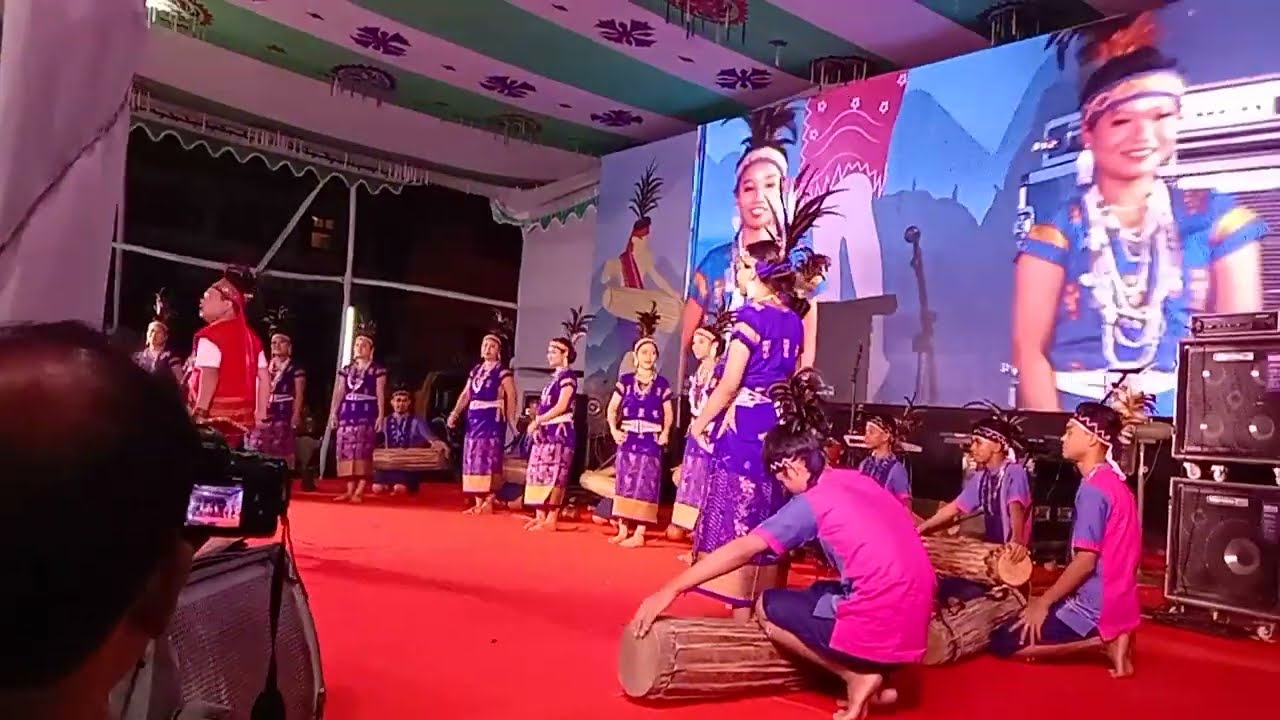
The festival is a symbol of Garo culture, unity and joy and is usually celebrated between September and December, heralding the arrival of winter and the end of agricultural work. It involves traditional dance, singing, drums and musical instruments, also known as the "Festival of a Hundred Drums".
The Wangala Festival is the most important traditional and cultural festival of the Garo indigenous community of Bangladesh and Northeast India. It is a harvest festival celebrated after the completion of the paddy harvest, usually during October and November.
Wangala is a festival of thanksgiving to nature and the Sun God, known as Misi Saljong, for blessing the people with a successful harvest, good health, and prosperity. The festival reflects the deep connection of the Garo people with nature, agriculture, and community life.
The word “Wangala” comes from two Garo words: “Wana” meaning god or the sun “Gala” meaning worship or offering
Together, Wangala symbolizes offering gratitude to the Sun God and nature.
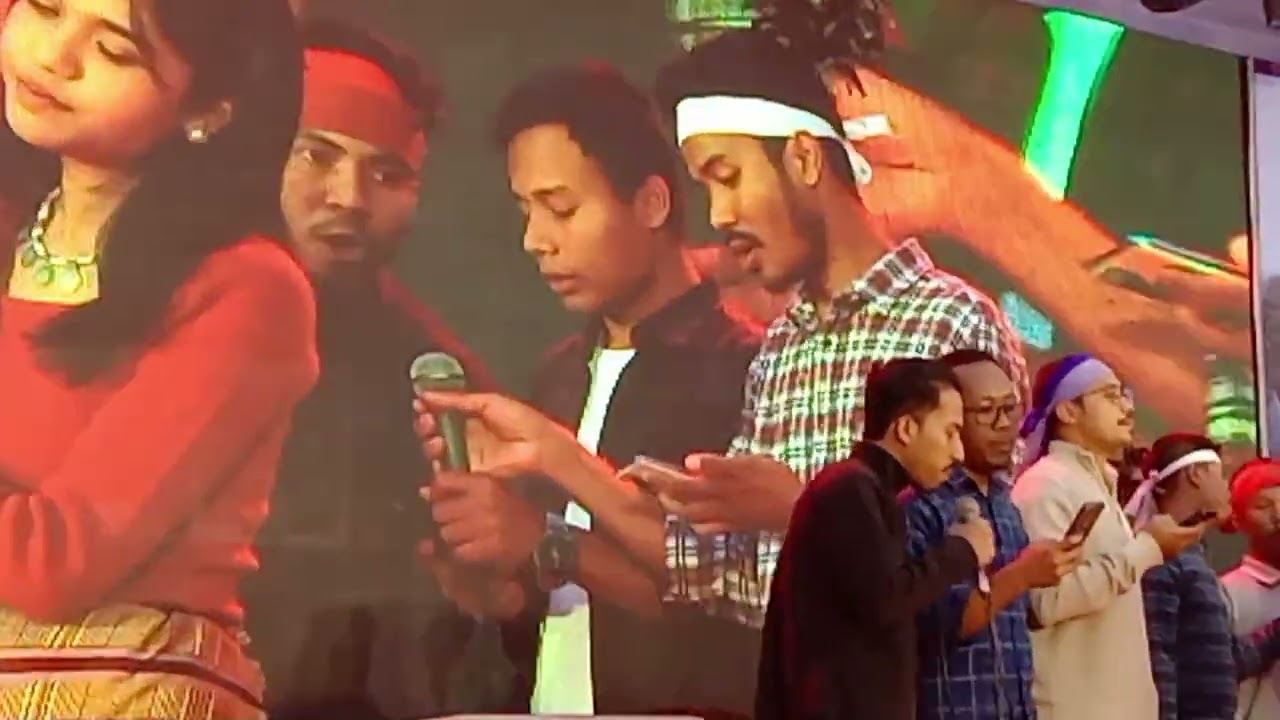
One of the main attractions of the Wangala Festival is the traditional Wangala dance, also known as the Hundra Dance. Men beat large traditional drums called “Dama”, while men and women perform synchronized group dances in colorful traditional attire. The rhythmic drumbeats, folk songs, and energetic movements create a vibrant and joyful atmosphere.
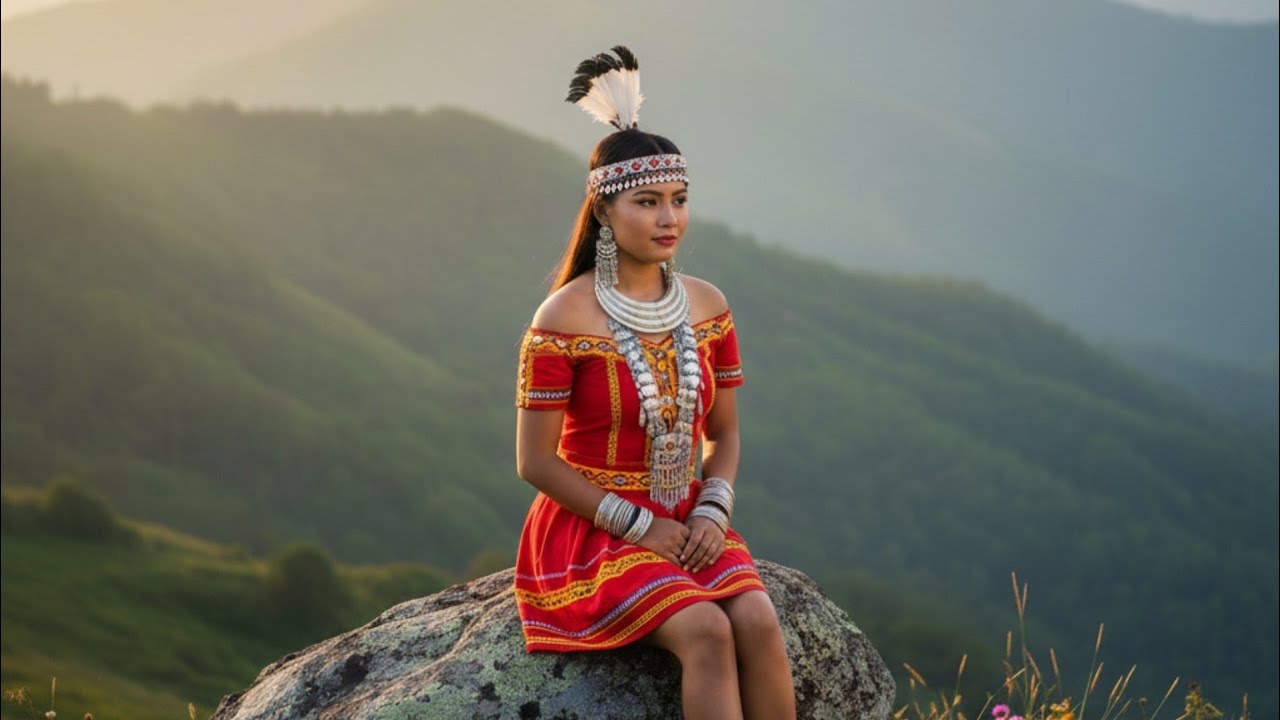
Traditional clothing is an essential part of the celebration. Garo women wear Dakmanda, along with handmade ornaments, while men wear traditional garments that reflect their cultural identity. Folk music, storytelling, and communal feasts are also important elements of the festival.
Beyond celebration, Wangala plays a vital social role. It strengthens community bonds, preserves indigenous traditions, and passes cultural values to the younger generation. In Bangladesh, the festival is mainly celebrated in Mymensingh, Sherpur, Netrokona, and the Madhupur Tract of Tangail.
Today, the Wangala Festival is not only a religious and cultural event but also a symbol of indigenous heritage, unity, and respect for nature. It is increasingly recognized at national cultural events and has become a point of interest for cultural tourism.
The Wangala Festival reminds us of the importance of gratitude, harmony with nature, and cultural diversity.
#newtimegrowingcro








Информация по комментариям в разработке