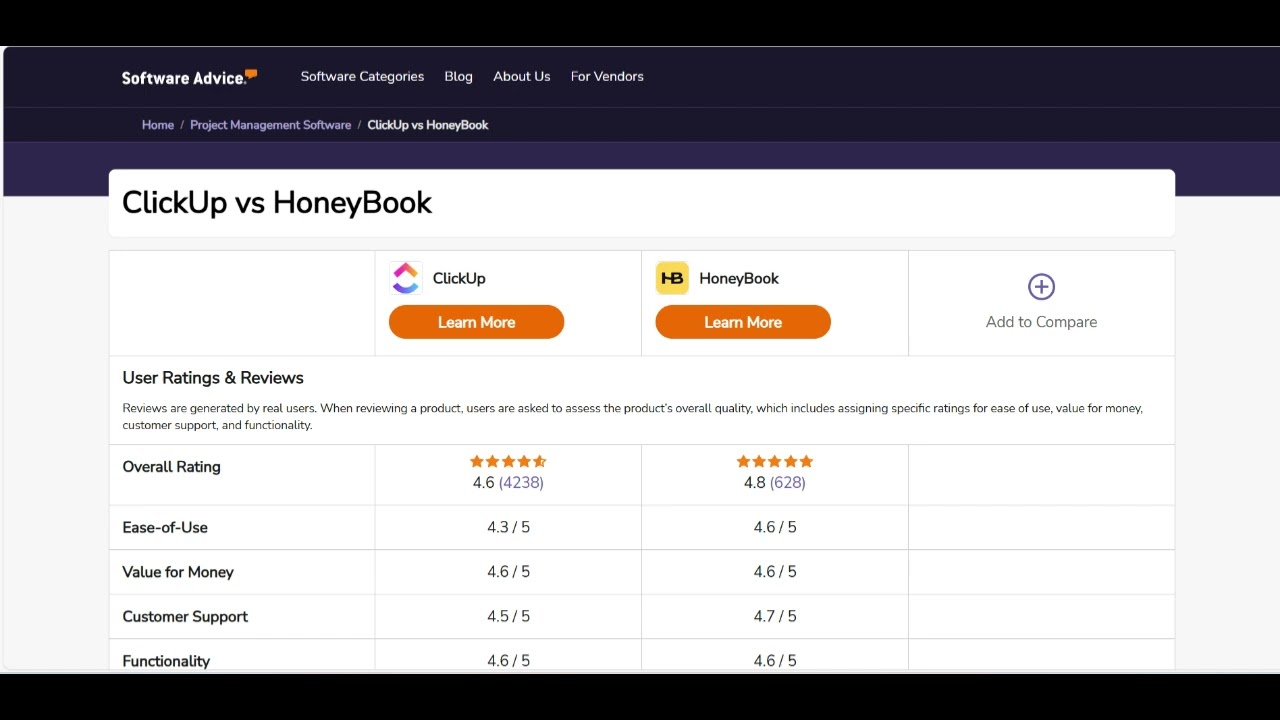
As a business owner or freelancer, finding the right tools to manage your projects, clients, and workflow can make a huge difference in your efficiency and success. Two popular platforms that often come up in this space are HoneyBook and ClickUp. Both offer powerful features but serve slightly different purposes depending on your needs. In this video, we’ll compare HoneyBook vs ClickUp to help you decide which platform is right for you and your business.
First, let’s look at HoneyBook. HoneyBook is designed specifically for creative entrepreneurs and service-based businesses. It’s an all-in-one client management platform that handles everything from client inquiries and contracts to invoicing and payments. If your business revolves around working closely with clients on projects, HoneyBook excels at keeping everything organized in one place. It’s particularly great for freelancers who need a system that combines project management with client-facing features like communication, invoicing, and contracts.
On the other hand, ClickUp is a more general project management tool designed for teams and individuals who need flexibility in how they organize their work. ClickUp allows you to create and customize workflows, assign tasks, set priorities, and track progress through various views like lists, boards, and calendars. It’s ideal for businesses that manage complex projects with multiple team members or want detailed control over how they organize their workflow. While ClickUp doesn’t have built-in client management tools like contracts and invoicing, its project management capabilities are incredibly robust.
When it comes to pricing, HoneyBook offers two main plans: $39 per month or $390 annually. This pricing includes all its features—client management, invoicing, contracts, project tracking, and more—making it a straightforward choice for service-based businesses. ClickUp, on the other hand, has a free plan with basic features and paid plans starting at $5 per user per month. For larger teams or those looking for more advanced functionality, ClickUp’s higher-tier plans are still relatively affordable compared to other project management platforms. So, if you’re managing a team or need complex project tracking, ClickUp might be a more budget-friendly option.
One of the key differences between HoneyBook and ClickUp is their target audience. HoneyBook is tailored to creatives and service professionals who work one-on-one with clients, offering tools to streamline client interactions from start to finish. If you’re a photographer, designer, event planner, or any service provider needing contracts and payments integrated with project management, HoneyBook will likely fit your needs better. ClickUp, meanwhile, is best suited for teams and businesses with more complex internal workflows, where managing tasks and collaborating across multiple departments or team members is essential.
In conclusion, choosing between HoneyBook and ClickUp comes down to the type of work you do and the specific features you need. If your business is client-focused and you need a tool that combines project management with contracts, invoicing, and payments, HoneyBook is the way to go. But if you need a flexible, scalable project management tool that offers more customization and collaboration features, ClickUp is likely a better fit. Both are excellent platforms, so it’s all about finding the right match for your workflow. Thanks for watching, and I hope this comparison has helped you decide which platform is best for your business!

Информация по комментариям в разработке