Your body operates like a highly advanced machine—one that moves, adapts, repairs itself, and responds instantly to its environment.
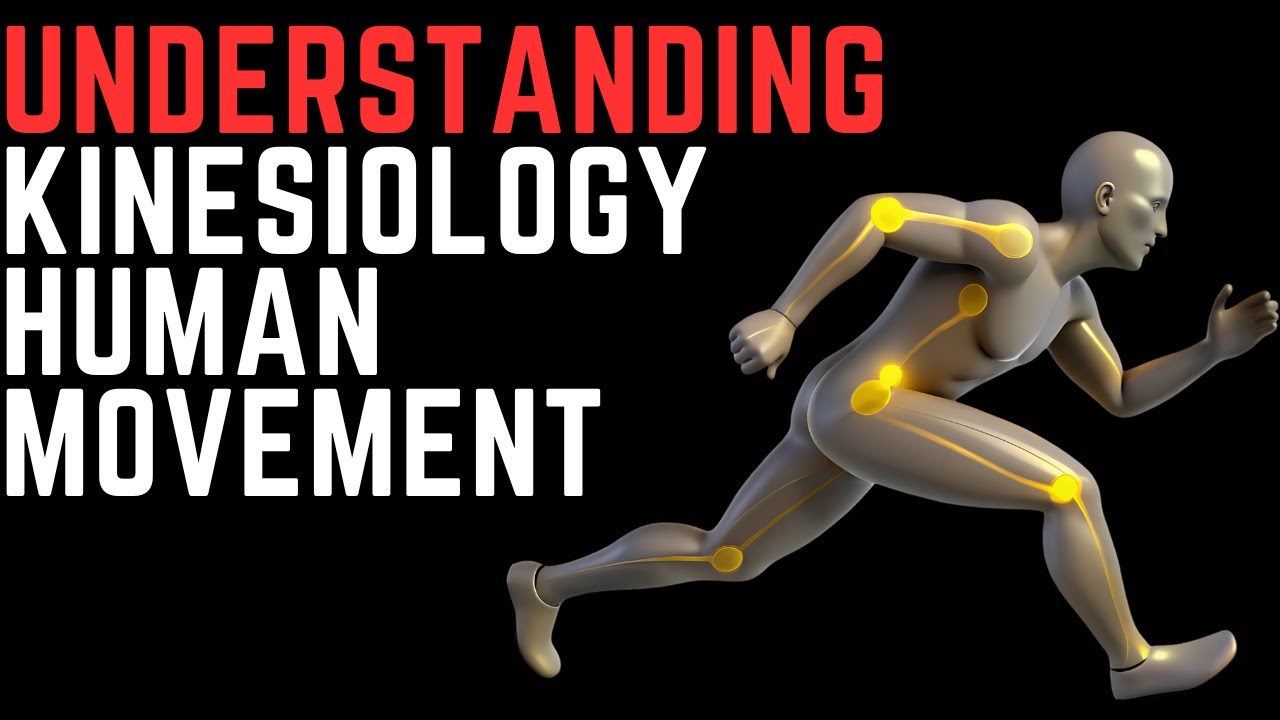
Kinesiology, the study of human movement, explores how this machine works by examining the interaction between muscles, bones, joints, and the nervous system. When these systems function together efficiently, movement is smooth, powerful, and precise. When something breaks down, pain, injury, or poor performance can follow.
The Structural Frame: Bones and Joints
Think of your skeleton as the frame of a machine. Bones provide structure and leverage, while joints act like hinges, pivots, and sliders that allow motion. Each joint is designed for specific movements—your knee for flexion and extension, your shoulder for wide-range rotation. Proper alignment keeps forces distributed evenly, reducing wear and tear much like correct alignment in mechanical parts prevents breakdown.
The Motors: Muscles
Muscles are the engines that power movement. They contract and relax by shortening muscle fibers, pulling on bones through tendons. Kinesiology studies how muscles work in pairs and groups, not isolation. For example, when you bend your arm, one muscle group activates while another stabilizes and controls the motion. Efficient muscle coordination conserves energy and improves strength, endurance, and control.
The Control System: Nervous System
Every machine needs a control center. In the human body, the brain and nervous system fill that role. Signals travel from the brain through nerves to muscles, telling them when to contract, how forcefully, and for how long. Kinesiology examines reaction time, coordination, balance, and motor learning—how your body improves movement through practice and repetition.
The Physics of Movement: Biomechanics
Biomechanics applies physics to human motion. Concepts like force, torque, leverage, and momentum explain why certain techniques are more efficient or safer than others. For example, lifting with proper posture reduces stress on the spine, just as distributing load correctly prevents mechanical failure in machines.
Energy and Efficiency
Like any machine, your body uses fuel. Kinesiology also studies how energy systems support movement—from short, explosive actions to long-duration endurance activities. Efficient movement patterns reduce unnecessary energy loss, improving performance while lowering injury risk.
Why This Matters
Understanding kinesiology helps:
Improve athletic performance
Prevent and rehabilitate injuries
Enhance posture and daily movement
Support long-term joint and muscle health
Final Thought
Your body is not random—it is an intelligently designed, self-adapting machine. Kinesiology teaches you how to understand that machine, maintain it, and use it at its highest potential. When you move better, you live better.
🔥 Don’t Miss Out! Smash that LIKE 👍 button if you love your health, SUBSCRIBE for more epic health content, and hit the NOTIFICATION BELL 🔔 so you never miss an upload! Drop a comment and let us know your favorite health show!
🎣Related VIDEOS:
Kinesiology Major Branches. • Kinesiology 101: The Major Branches You Ne...
Ergonomics That Boost Productivity • Stop Work Pain: Ergonomics That Boost Prod...
Sports Kinesiology • Sports Kinesiology: Masterclass To Move Be...
Health LESSONS: • Bible Lessons for Everyone to Learn, Teach...
💥 Subscribe for More Health TIPS! 🎣
👉 / @leadthetrueway
📢 Got a Health Question? Comment Below! 👇
🔎 HASHTAGS:
#Human Movement #Biomechanics #Exercise Science #Physical #Performance #Motor Control
😎Some of the links in this video/description may be affiliate links
⌚TIMESTAMPS:
Kinesiology: Your Body Is a Machine
00:00:00 Your Body is a Machine, Let's Read the Manual
00:00:51 Anatomy and Physiology Explained
00:02:17 Understanding Biomechanics
00:03:47 Neuroscience and the Brain-Body Link
00:05:05 The Psychology of Movement
00:06:19 Everyday Motion Explained
00:07:40 Kinesiology in Sport, Work, and Recovery
00:09:03 Simple Tips for Better Movement
00:10:08 Own Your Movement, Own Your Life
Disclaimer:The information provided in this video is for educational and informational purposes only and is not intended as medical advice. I am not a licensed medical professional. Always seek the advice of a qualified healthcare provider with any questions you may have regarding a medical condition or health decisions.

Информация по комментариям в разработке