SELF-LEARNING BY USING CODE-BASED GAMES: AN EASY WAY TO LEARN BIOMOLECULE'S NOMENCLATURE
Josep J. Centelles, Universitat De Barcelona, Spain / Estefania Moreno, Universitat De Barcelona, Spain / Pedro R. De Atauri, Universitat De Barcelona, Spain
(Presented at the International Conference on Life Sciences, Engineering and Technology (iLSET) which took place on April 13-16, 2023, Denver, CO, USA, https://www.2023.ilset.net/ organized by International Society for Technology, Education and Science ((ISTES)-http://www.istes.org)
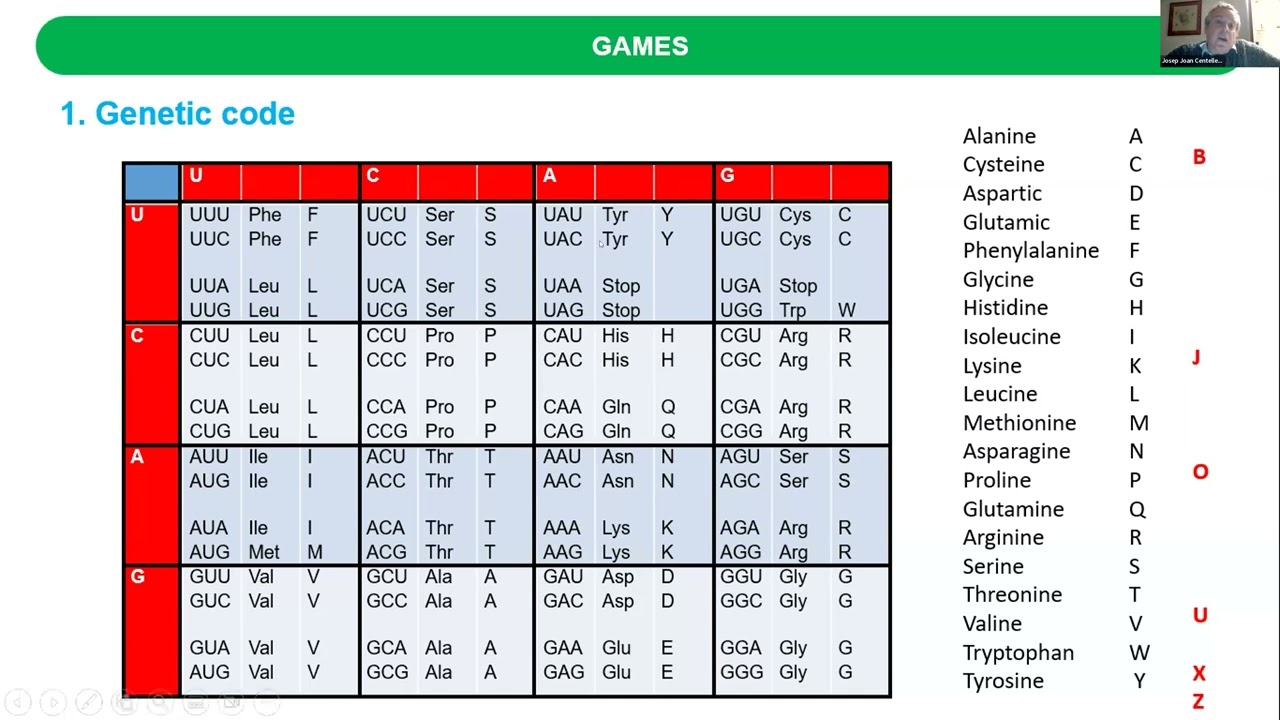
The Montessori method was an educational model devised at the beginning of the 20th century by the Italian pedagogue, physician, psychologist, and psychiatrist María Montessori (1870-1952). She observed that her students activated their intelligence and developed their personality by carrying out manual activities. In recent years, one of the activities that she used, gamification, is currently booming in teaching. Games based in words or letters are often used in language learning, either in presential lessons or in mobile applications. In our teaching innovation group (GINDOC-UB/180) we proposed to adapt those word games using codes so that students could achieve a self-learning on the nomenclature of biomolecules, thus improving their knowledge in metabolism. These code-based games were proposed to Biochemistry students at the Chemistry degree of the Universitat de Barcelona. Games were posted on the Virtual Campus using Moodle. A code is part of a communicative system, and it is defined as a set of elements that allows a message to be decoded. In biochemistry, the best-known code is the genetic code that translates 3 nucleotides to an amino acid. Nevertheless, only 20 amino acids are involved in genome code, and some letters are missing and not all the words can be codified. Thus, we also used other codes such as numeric codes, Morse code, Braille system code, or codes from other alphabets (Japanese katakana or hiragana, Cyrillic alphabet, Arabic alphabet, or runic alphabet). In this work some examples of the games that can be proposed to the students are shown. Proposed games were highly valued by students and allowed a self-learning on the proposed biomolecules. Games based on the genetic code were easier and more enjoyable for the students to solve, and they provided them with additional biochemical knowledge of protein translation.

Информация по комментариям в разработке