Exploring the Fascinating World of Magellanic Penguin | Interesting Facts | The Beast World
Here are some fascinating facts about the Magellanic Penguin
Scientific Name: Spheniscus magellanicus.
Named After: The species was named after the explorer Ferdinand Magellan who first documented them in 1520.
Native Habitat: Found in South America, primarily along the coasts of Argentina, Chile, and the Falkland Islands.
Migration: They migrate northward as far as Brazil during the winter.
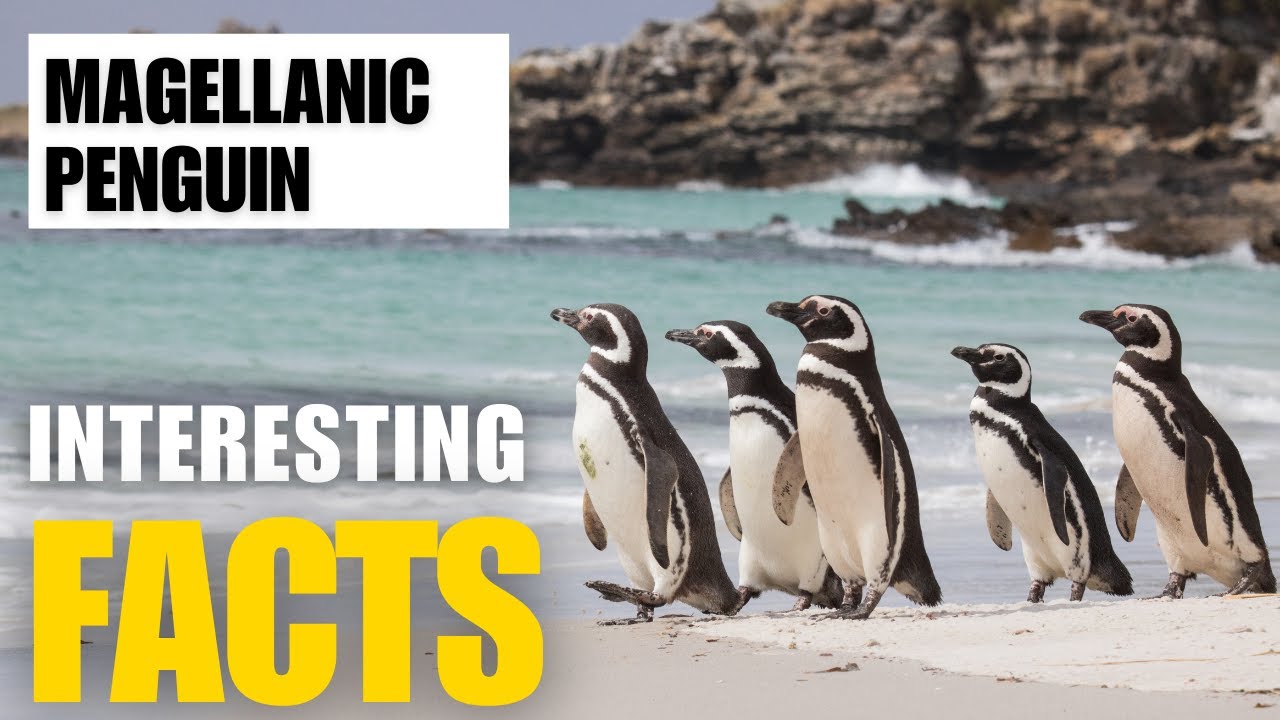
Distinctive Bands: Magellanic penguins have two black bands on their white bellies, distinguishing them from other penguin species.
Weight: They typically weigh between 5 and 6.5 kg (11-14 pounds).
Height: They stand at about 70 cm (27 inches) tall.
Lifespan: They live around 20-25 years in the wild.
Nesting: Magellanic penguins dig burrows for nesting, a behavior not seen in all penguin species.
Monogamous: They are largely monogamous and usually mate with the same partner year after year.
Eggs: Females lay two eggs, and both parents take turns incubating them.
Incubation Period: Incubation lasts about 40 days.
Chicks: The chicks are covered in soft gray down feathers and are fed by regurgitation.
Crèches: When chicks are a bit older, they gather in groups called crèches for protection.
Parenting: Both parents participate equally in caring for the chicks.
Predators: Their predators include sea lions, giant petrels, and sometimes foxes or pumas on land.
Underwater Hunters: They are excellent divers and can stay underwater for 2-3 minutes while hunting.
Diet: Their diet consists mainly of small fish, squid, and krill.
Swimming Speed: Magellanic penguins can swim at speeds of up to 15 mph (24 km/h).
Dive Depth: They can dive as deep as 100 meters (328 feet) in search of food.
Torpor: They enter a state of torpor (deep rest) during cold nights to conserve energy.
Feather Adaptation: Their feathers are waterproof, which helps them stay dry and warm in freezing waters.
Molting: Once a year, they go through a molting period, shedding old feathers and growing new ones.
Flightless: Like all penguins, Magellanic penguins cannot fly.
Social Birds: They are very social and often form large colonies during breeding season.
Colony Size: Colonies can number in the hundreds of thousands during breeding season.
Communication: They communicate through vocalizations, which can sound like a donkey's bray.
Heat Regulation: They have pink patches of skin around their eyes, which help regulate their body temperature.
Adapted to Warmth: Unlike Antarctic species, Magellanic penguins are adapted to warmer climates.
Terrestrial Locomotion: On land, they walk with a distinctive waddle.
Species Vulnerability: Magellanic penguins are classified as Near Threatened due to oil spills, overfishing, and climate change.
Oil Spills: Thousands of Magellanic penguins have died due to oil pollution off the coast of Argentina.
Fishing Threats: Overfishing of their prey, particularly anchovies, threatens their food supply.
Climate Change Impact: Rising ocean temperatures affect their food sources and migration patterns.
Sexual Dimorphism: Males are generally larger than females.
Tooth-like Structures: They have spiny, tooth-like structures in their mouths to help hold slippery prey.
Eyesight: They have excellent underwater vision, allowing them to see clearly in dim lighting conditions.
Loud Calls: Their braying calls help them identify mates and offspring among thousands of penguins.
Clutch Success: Typically, only one chick from a clutch survives due to sibling competition or lack of resources.
Parental Investment: They devote significant time and energy to raising their chicks until they fledge.
Fledging: Chicks fledge at around 60-70 days old.
First-Year Mortality: Unfortunately, many young penguins do not survive their first year due to predation or food scarcity.
Migration Distance: After the breeding season, they can migrate up to 3,000 miles to find food.
Shoreline Nests: Some colonies build nests close to shore, while others choose areas farther inland.
Land Speed: Though they waddle, they can move surprisingly fast on land if necessary.
Swimming Efficiency: Their bodies are streamlined for swimming, with strong flippers to propel them through water.
Diving Behavior: They often dive to great depths in rapid succession, known as "bounce dives."
Thermoregulation: In warm weather, they pant like dogs to stay cool.
Protection of Nests: They fiercely protect their nests from predators and other penguins.
#amazingfacts
#interestingfacts
#animals
#magellanicpenguin
#magellan
#penguin

Информация по комментариям в разработке