The G-Funk sound is a testament to the power of musical synthesis and reinvention. While often associated with the work of Dr. Dre, it's a sound that drew heavily from the earlier "Mobb music" scene in Oakland and the funk of the 1970s. Producers like Cold 187um of Above the Law were instrumental in developing the sound, which Dre then refined and popularized with his legendary production on The Chronic.
The defining sonic characteristics of G-Funk are its slow, hypnotic grooves, typically in the 90-100 BPM range, and a deep, melodic bassline that serves as the track's backbone. The signature element, however, is the high-pitched, portamento synthesizer lead—that distinctive "whistle" sound that glides from note to note, often inspired by classic P-Funk tracks like the Ohio Players' "Funky Worm." This was combined with crisp, prominent snare drums, and often, soulful background vocals to create a sound that was both laid-back and powerful.
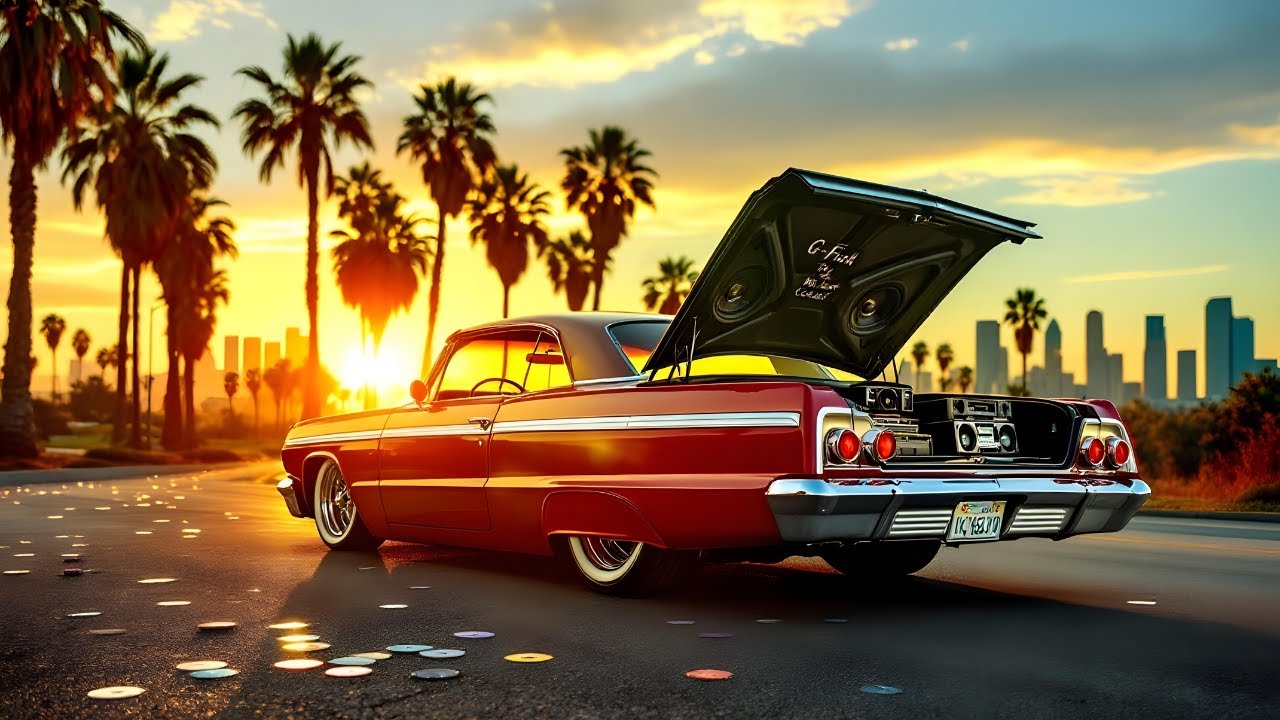
Beyond the music, G-Funk had a profound cultural impact. It provided a sonic identity for the West Coast, contrasting sharply with the faster-paced, aggressive hardcore hip-hop of the East Coast. G-Funk artists created a visual world to match their sound, with music videos that showcased the L.A. lifestyle of lowriders, house parties, and cruising with friends. This style helped to shape the image of West Coast hip-hop in the 1990s and left a lasting impression on popular culture. Today, the influence of G-Funk can be heard in everything from contemporary hip-hop to R&B and pop music, proving that its funky legacy is far from over.
#gfunk, #westcoasthiphop, #drdre, #thechronic, #snoopdogg, #90shiphop, #goldenagehiphop, #natedogg, #warreng, #funkrap, #hiphoplegends, #oldschoolhiphop, #musicproduction, #hiphophistory, #deathrowrecords, #westcoastrap, #hiphopculture, #90smusic, #pfunksamples, #synthesizer
Информация по комментариям в разработке