Logo video2dn
  • Сохранить видео с ютуба
  • Категории
    • Музыка
    • Кино и Анимация
    • Автомобили
    • Животные
    • Спорт
    • Путешествия
    • Игры
    • Люди и Блоги
    • Юмор
    • Развлечения
    • Новости и Политика
    • Howto и Стиль
    • Diy своими руками
    • Образование
    • Наука и Технологии
    • Некоммерческие Организации
  • О сайте

Скачать или смотреть The Y-Component of Vorticity Transverse to the Wind

  • WaveAnimations
  • 2014-04-28
  • 143
The Y-Component of Vorticity Transverse to the Wind
WindrowLangmuir CirculationCraik-LeibovichWave BreakingSurfingSpilling BreakersCross-axis VorticityPrimary VortexWind Waves
  • ok logo

Скачать The Y-Component of Vorticity Transverse to the Wind бесплатно в качестве 4к (2к / 1080p)

У нас вы можете скачать бесплатно The Y-Component of Vorticity Transverse to the Wind или посмотреть видео с ютуба в максимальном доступном качестве.

Для скачивания выберите вариант из формы ниже:

  • Информация по загрузке:

Cкачать музыку The Y-Component of Vorticity Transverse to the Wind бесплатно в формате MP3:

Если иконки загрузки не отобразились, ПОЖАЛУЙСТА, НАЖМИТЕ ЗДЕСЬ или обновите страницу
Если у вас возникли трудности с загрузкой, пожалуйста, свяжитесь с нами по контактам, указанным в нижней части страницы.
Спасибо за использование сервиса video2dn.com

Описание к видео The Y-Component of Vorticity Transverse to the Wind

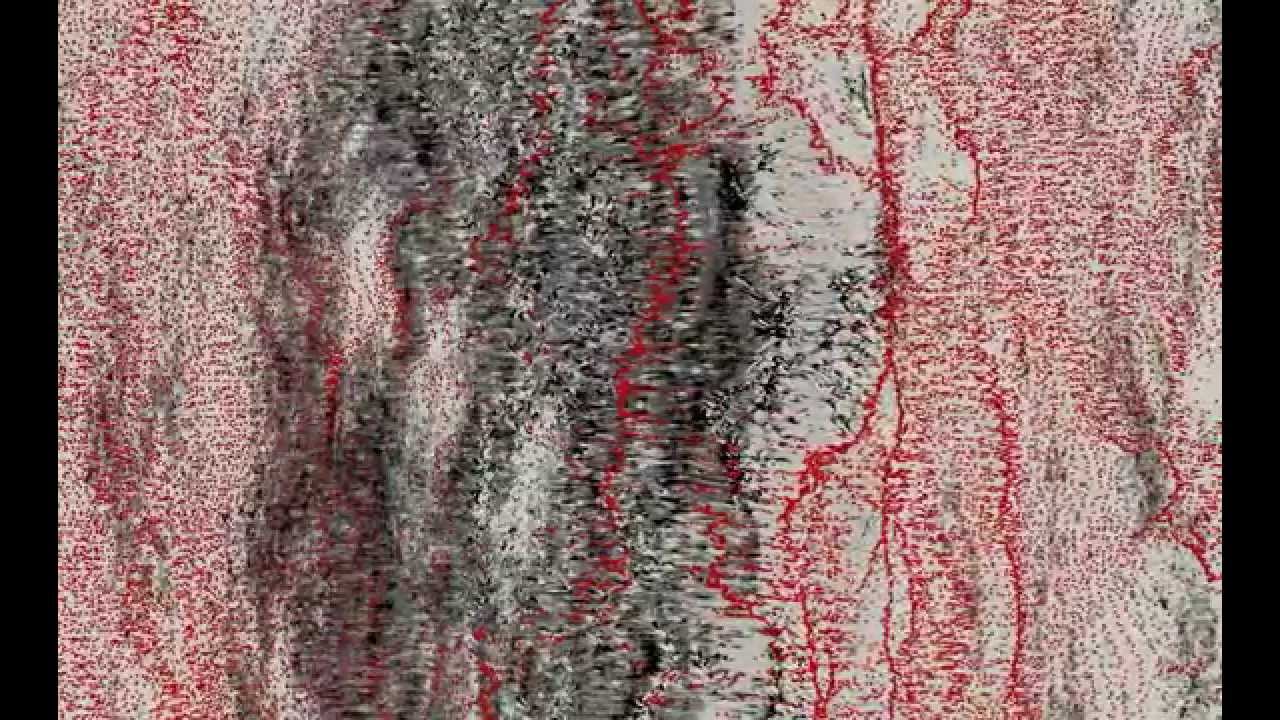
This video shows the y-component of vorticity 10cm below the free surface. The view is looking down on a wave-breaking event. The black and white grey colors respectively correspond -/+1.25 radians per second for the y-component of vorticity. The color scale is saturated. The small red spheres are particle tracers on the free surface. The diameters of the spheres are 30cm. The particles are meant to model the motion of foam and flotsam on the ocean surface. As shown earlier, windrows form under the action of steep and breaking waves (see    • Windrows formed by Spilling Breaking Waves  .) The total duration of the video is 4.39 seconds in real physical time.

The vorticity just behind the front of the wave breaking is positive. The particles are surfing ahead of the spilling. As the wave breaks, the flow separates slightly behind the front of the breaking and a dark narrow band of negative vorticity forms. The wake of the spilling breaker grows as the active spilling region surges forward with the wind. The particles behind the wake are convected backwards against the wind under the action of the vortex that is embedded within the wake. A zone of divergence forms between the pairs of vortex tubes. The fluid upwelling that occurs in this region corresponds to the dark bands in the IR images that are discussed in Handler, Savelyev, Lindsey (2012), Phys. of Fluids, vol. 24, 121701. Cross-axis vorticity is stretched between these two primary vortex tubes as discussed in the animation of the z-component of vorticity that follows in this playlist. As discussed by Lundgren, T.S. (1989) In Mathematical Aspects of Vortex Dynamics, SIAM, pp. 68-79, free-surface vorticity is generated when there is flow tangential to a curved surface. The wind drift generates this type of vorticity in the wave troughs, where it is positive, and in the wave crests, where it is negative. The vorticity due to the wind drift moving over the curved free surface is in addition to the vertical shear in the wind drift, which is positive. The vorticity due to wind drift and shear in the wave that is following the spilling breaker absorbs the wake vortex toward the end of the animation and the expansion of the wake of the spilling breaker is arrested along the backside of the breaker. Meanwhile, the spilling at the front of the breaking wave continues with periodic shedding of wake vortices until the spilling is dissipated, which also stops the expansion of the wake.

The lengths of the two primary vortex tubes along the y-axis are comparable to the length of the front of the wave breaking. The vortex tubes are symmetric with respect to the centerline of the breaking-wave front. The wake vortices are absorbed by the shear and the free-surface vorticity in the trough of the following wave, whereas the shear is locally enhanced at the front of the breaking wave by the positive y-component of vorticity. The length scales and the symmetry properties of the y-components of vorticity together with the x-components of vorticity make it possible to form the large-scale spiral structures that are observed in Langmuir circulations. This numerical simulation needs to be continued further to investigate the periodic shedding of the wake vortices and the organized flows that are induced by surfing. The flow organization occurs over time under the successive action of steep and breaking waves.

Комментарии

Информация по комментариям в разработке

Похожие видео

  • О нас
  • Контакты
  • Отказ от ответственности - Disclaimer
  • Условия использования сайта - TOS
  • Политика конфиденциальности

video2dn Copyright © 2023 - 2025

Контакты для правообладателей [email protected]