Athîná (Athena ) is prudently warlike in that she protects the state from external enemies. She is the protectress and companion of heroes such as Odysséfs (Odysseus, Ὀδυσσεύς) and Pærséfs (Perseus, Περσεύς), who are distinguished for their valor and strength of character. Likewise, she responds to suppliants who have the potential to develop such qualities.
Athîná is a great Goddess of wisdom, knowledge, and art: those things and institutions which civilize man and distribute wise counsel. She maintains and protects law and justice and has an interest in everything which creates stability, strength and abundance in the state.
Ærgánî (Ergane, Ἐργάνη) is the epithet of the Goddess in her role as the patroness of invention, weaving, various crafts, and martial metalwork and martial craft. She invented all sorts of womanly arts. She invented numbers, the trumpet, the chariot, and navigation. According to the Orphic fragments, she, along with Íphaistos, was taught by the Kýklohpæs (Cyclopes, Κύκλωπες) the skills necessary to create “all the works of heaven” [2].
Athîná has a great interest in agriculture and she protects the fields. She taught mankind to yoke oxen, having invented the plow and rake. She taught the breeding and taming of horses.
Like Ártæmis (Artemis, Ἄρτεμις) and Æstía (Hestia, Ἑστία), Athîná is a virgin Goddess, this referring to a type of divine purity and having nothing to do with sex. Hence, she is known as Athîná Parthǽnos (virgin = parthenos, παρθένος) and in the mythology is never in an amorous relationship and is not married.
According to Orphic fragments, Athîná is the leader of the Kourítæs (Curêtes, Κουρῆτες). [3]
Appropriate offerings to Athîná are aromatic herbs (as proposed in the Orphic hymn to the Goddess), olive leaves, and cakes in the shape of the owl, serpent, and cock, animals which are sacred to her. Also appropriate as offerings are cakes in the shape of the bull, cow, and ram, as these animals were sacrificed to her in antiquity.
Athîná Parthǽnos and the Parthænóhn
Athîná, Apóllôn, and Zagréfs-Diónysos
Athîná is woven into the mystic mythology of Zagréfs (Zagreus, Ζαγρεὐς). The seven pairs of Titánæs (Titans, Τιτᾶνες) lured the infant God away from the thunderbolts Zefs had given him with a basket of toys. Then they cut him into pieces, placing the heart and limbs aside. They threaded the remaining pieces on spits and roasted them, eating some and sacrificing the remaining pieces to the Gods. Apóllôn (Apollô, Ἀπόλλων) carefully gathered the tiny limbs of Zagréfs and interred them at Mount Parnassós (Parnassus, Παρνασσός). Athîná, with great solicitude, lifted his precious heart, still warm and beating, and placed it in a beautiful silver box, delivering it to her father to be conceived in the womb of Sæmǽlî (Semele, Σεμέλη) and reborn from the leg of Zefs (Ζεύς) as Diónysos (Dionysus, Διόνυσος), the great liberator of all creation. [6]
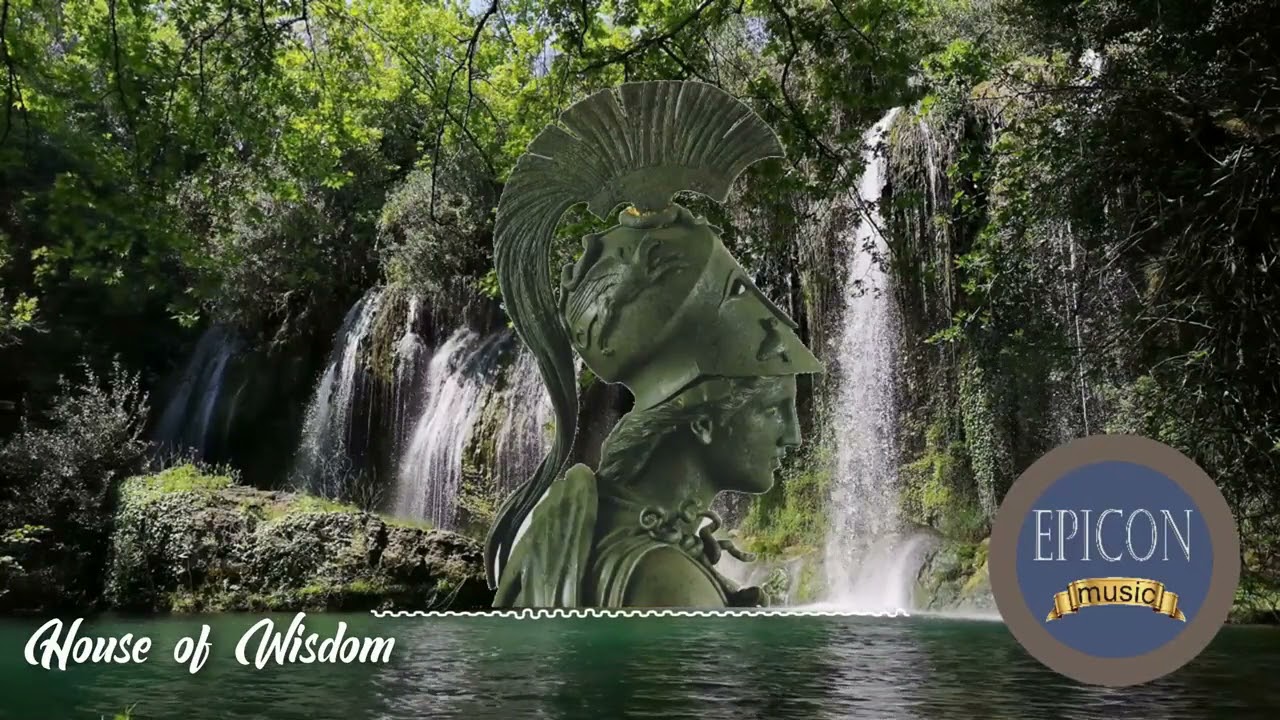
Originally housed in the Parthænóhn (Parthenôn, Παρθενών) at the Akrópolis (Acropolis, Ακρόπολις) of Athens was the famous statue of Athîná thirty-eight feet (12 meters) in height. The original has perished but we know well what it looked by from the many copies made in antiquity. It was constructed of gold and ivory and created by the sculptor Pheidías (Phidias, Φειδίας). She wears a helmet adorned with a sphinx flanked by two winged horses or griffins. In her right hand, Athîná holds a statue of Níki (Nike, Νίκη), the Goddess of Victory, six feet (2 meters) in height. Her left hand rests on the shield. At her right foot is the Ærikhthónios (Erichthonius, Ἐριχθόνιος) serpent. She wears the golden Aiyís on which is depicted the Gorgóneion. In Nashville, Tennessee, USA, there is a spectacular full-size reconstruction of the statue, built for the 1897 Centennial Exposition.

Информация по комментариям в разработке