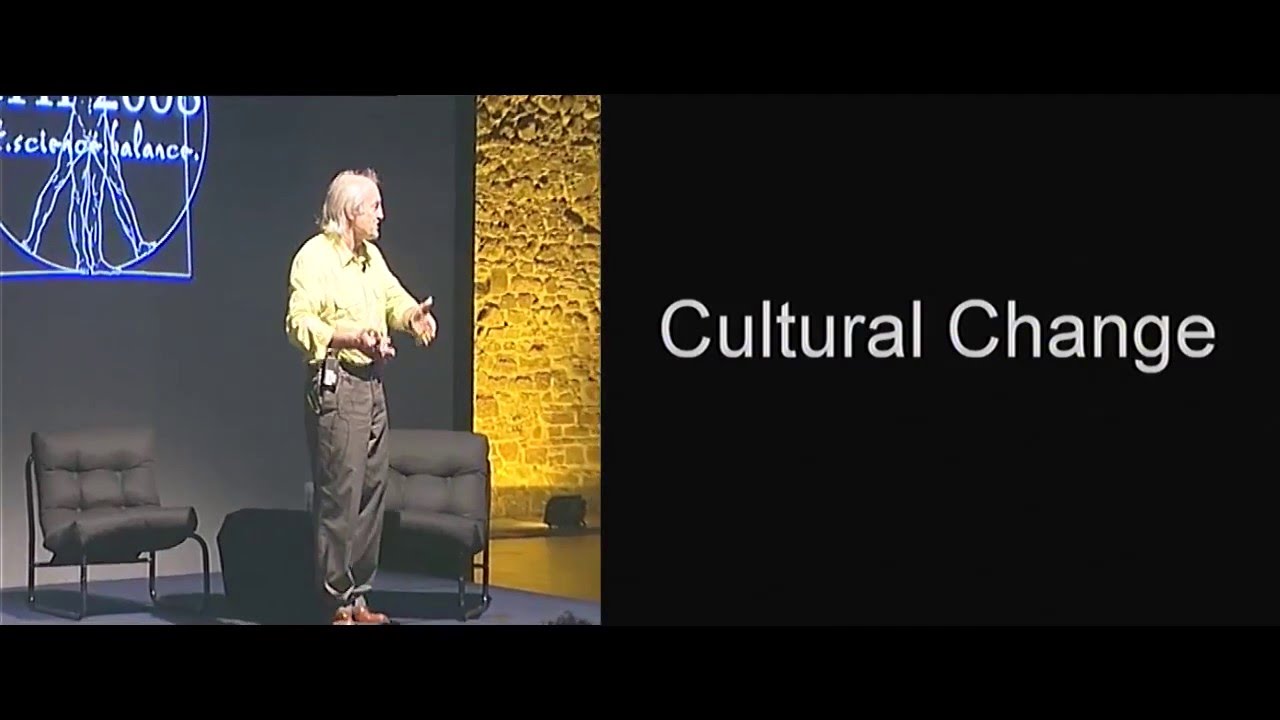
Bill Buxton, Microsoft Research, USA
From the Materialistic to the Experiential - A Changing Perspective on Design
Abstract
A Personal Mantra: Ultimately, we are deluding ourselves if we think that the products that we design are the "things" that we sell, rather than the individual, social and cultural experience that they engender, and the value and impact that they have. Design that ignores this is not worthy of the name.
I will be talking about how we are in the midst of a transition from where we view design as primarily concerned with the material object (the device, dress, home, service, etc.) to a new state where our focus is on the experience that result from those same objects and services. One of the consequences is that great design (which equates to great experience) cannot be confined to, or the sole prevue of, any one department . be it design, marketing, or engineering, for example. Rather, in this perspective, design has to be viewed in a holistic manner, and executing great design must involve every person in the food chain that produces the product. This not only has deep implications on what designers do. It also compels us to rethink who or what is a designer, and who is not. In order to do great design in the future . whatever that may mean . implies that the most important thing that we need to design is design itself. And yet, the paradox is, this is the only way to save design as a distinct and critical profession.
Biography
Bill Buxton is the author of the new book, Sketching User Experiences: Getting the Design Right and the Right Design, published by Morgan Kaufmann.
Trained as a musician, Bill began using computers over thirty years ago in his art. This early experience, both in the studio and on stage, helped develop a deep appreciation of both the positive and negative aspects of technology. This increasingly drew him into design and research, with a very strong emphasis on interaction and the human aspects of technology. He first came to prominence for his work at the University of Toronto on digital musical instruments and the novel interfaces that they employed. This work in the late 70s gained the attention of Xerox PARC, where Buxton participated in pioneering research in collaborative work, interaction techniques and ubiquitous computing. This work was carried on in parallel with his activities as Scientific Director of the Ontario Telepresence Project at the University of Toronto. In 1994, Buxton joined Alias Research (and in 1995 its parent company SGI, as well) where he had the opportunity to work with some of the top filmmakers and industrial designers in the world. He was Chief Scientist at Alias during the entire development of an animation package called Maya, which won an Academy Award for Scientific and Technical Achievement. He is now a principal researcher at Microsoft Corp., where he splits his time between research and helping make design a fundamental pillar of the corporate culture. In 2007, Buxton was named Doctor of Design, Honoris Causa, by the Ontario College of Art and Design.
For more information, visit www.billbuxton.com.
ACM DL:: http://dl.acm.org/citation.cfm?id=135...
WEB:: http://chi2008.org/
Recorded on April 10, 2008 at the CHI Conference on Human Factors in Computing Systems, Florence, Italy

Информация по комментариям в разработке