The sheepshead (*Archosargus probatocephalus*), a fascinating inshore fish, is well-known for its distinctive, human-like teeth and its reputation as a cunning bait-stealer among anglers. A member of the porgy family, Sparidae, this species plays a significant role in coastal ecosystems and is a popular target for both recreational and commercial fishing.
*Physical Characteristics*
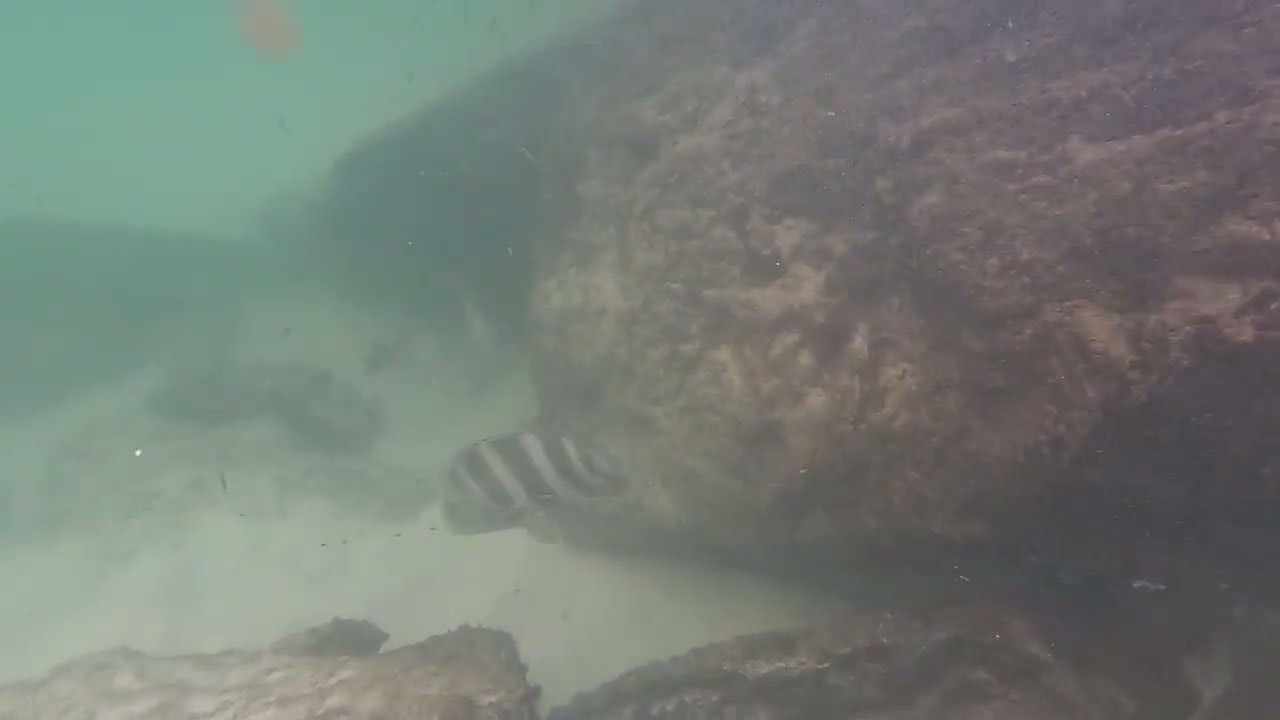
Instantly recognizable by its striking appearance, the sheepshead boasts a deep, compressed, oval-shaped body. Its silvery to grayish-green coloration is overlaid with five to seven prominent, dark vertical bars, earning it the nickname "convict fish." These bars are most vivid in younger fish and tend to fade slightly with age. The dorsal and anal fins are equipped with strong, sharp spines that serve as a defense mechanism. A key feature of the sheepshead is its remarkable dentition. The front of its jaw is armed with incisor-like teeth, while the back contains several rows of molars and grinders. This powerful dental structure is perfectly adapted for crushing the hard shells of its prey. An adult sheepshead can reach a length of up to 30 inches and weigh over 20 pounds, though individuals are more commonly in the 1 to 8-pound range.
*Habitat and Distribution*
The sheepshead is a coastal species found in the western Atlantic Ocean, ranging from Nova Scotia, Canada, down to Brazil. They are particularly abundant along the coast of the southeastern United States, with a significant population in the Gulf of Mexico. These fish are euryhaline, meaning they can tolerate a wide range of salinities, which allows them to thrive in various inshore and nearshore environments. Their preferred habitats include areas with hard structures that provide both shelter and a food source. They are commonly found around rock jetties, bridge and pier pilings, seawalls, mangrove roots, and oyster reefs. Juvenile sheepshead often inhabit seagrass beds and shallow, muddy flats, seeking protection from predators.
*Diet and Feeding Habits*
The sheepshead's specialized teeth are a clear indicator of its diet. They are omnivores with a strong preference for hard-shelled invertebrates. Their diet primarily consists of barnacles, oysters, clams, mussels, and various crustaceans such as fiddler crabs and shrimp. They use their incisors to scrape barnacles and other encrusting organisms from hard surfaces and their powerful molars to crush the shells of their prey to access the soft flesh inside. This feeding behavior makes them an important predator in controlling populations of these invertebrates, thus playing a crucial role in the structure of epifaunal communities in reef habitats.
*Reproduction and Life Cycle*
Sheepshead typically spawn in the late winter and early spring, with the exact timing varying by latitude. They are known to form large spawning aggregations offshore, often near reefs and other structures. Females are highly fecund, capable of releasing tens of thousands to over a million eggs in a single spawning season. The fertilized eggs are buoyant and drift with the currents. After hatching, the larvae are planktonic for a period before developing into juveniles. As they grow, these young fish move into inshore nursery habitats like seagrass beds. They reach sexual maturity at around two to three years of age and can live for 20 years or more.
*Ecological and Economic Importance*
As a predator of a variety of invertebrates, the sheepshead plays a vital role in maintaining the health and balance of coastal ecosystems. Their feeding habits help to regulate populations of shellfish and other organisms, preventing them from becoming overly abundant.
The sheepshead is also a highly prized species for recreational anglers due to its fighting ability and delicious, white, flaky flesh. Their cunning ability to steal bait presents a welcome challenge to fishermen. Commercially, they are also harvested, though the recreational catch often outweighs the commercial landings. Their popularity as a food fish contributes to the coastal economies where they are found.

Информация по комментариям в разработке