• Inside the Large Intestine: Secrets of the... Inside the Large Intestine: Secrets of the Gut Explained
Introduction
The human digestive system is a complex and highly specialized network designed to break down food, absorb nutrients, and eliminate waste. While the stomach and small intestine receive much of the attention in digestion, the large intestine plays an equally vital role in overall health. This organ is responsible for absorbing water, producing essential vitamins, housing billions of beneficial bacteria, and forming waste for elimination.
The large intestine is often underestimated in its importance, but recent scientific discoveries highlight its critical role in immune function, mental health, and disease prevention. In this article, we will explore the anatomy, functions, and hidden secrets of the large intestine, unveiling its fascinating impact on human health.
---
1. Anatomy of the Large Intestine
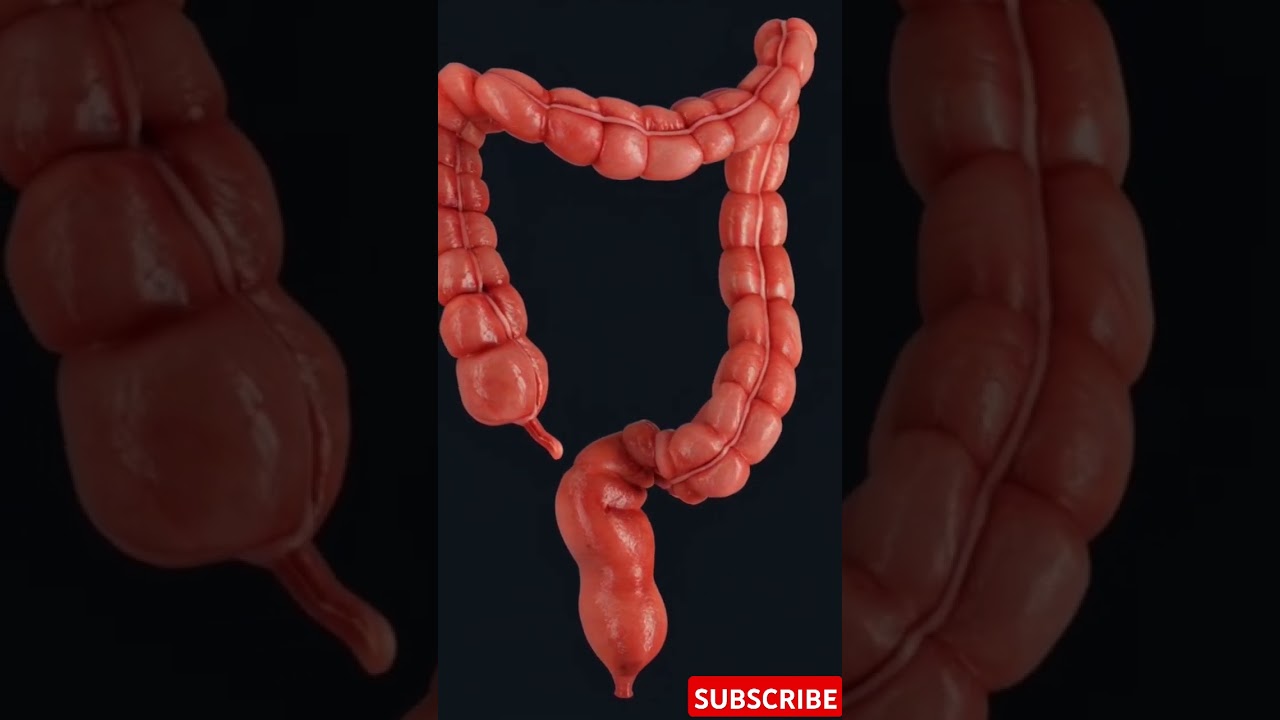
The large intestine, also known as the colon, is the final part of the digestive system. It is about 1.5 meters (5 feet) long and has a wider diameter than the small intestine. The large intestine is divided into several sections, each with specific functions:
1.1 Sections of the Large Intestine
1. Cecum: The first part of the large intestine, connecting to the small intestine. The ileocecal valve regulates the passage of undigested food into the cecum.
2. Colon: The longest part of the large intestine, consisting of four regions:
Ascending colon (moves waste upward from the cecum)
Transverse colon (moves waste across the body)
Descending colon (moves waste downward)
Sigmoid colon (S-shaped section leading to the rectum)
3. Rectum: The final section that stores waste before elimination.
4. Anus: The opening where waste exits the body.
The inner lining of the large intestine is covered in mucous membranes that help move waste smoothly. It also contains folds and ridges to maximize absorption.
---
2. The Main Functions of the Large Intestine
While digestion primarily occurs in the stomach and small intestine, the large intestine performs several essential functions:
2.1 Water Absorption and Electrolyte Balance
One of the large intestine’s primary jobs is to absorb water from digested food. Every day, around 1.5 liters of water enters the large intestine, and most of it is reabsorbed to prevent dehydration. Along with water, the colon also absorbs electrolytes, such as sodium and potassium, which are crucial for maintaining fluid balance in the body.
2.2 Formation and Storage of Waste
The large intestine processes undigested food and compacts waste into solid stools. Mucus secreted by the intestinal lining makes stool easier to pass. The waste is stored in the rectum until elimination through the anus.
2.3 Gut Bacteria and Fermentation
The large intestine is home to trillions of bacteria, collectively known as the gut microbiome. These bacteria ferment undigested carbohydrates, producing beneficial compounds like short-chain fatty acids (SCFAs) that provide energy and support gut health.
2.4 Production of Essential Vitamins
Certain bacteria in the large intestine synthesize essential vitamins, including:
Vitamin K: Important for blood clotting
B vitamins (like B12 and biotin): Support brain and metabolic functions
2.5 Immune System Support
About 70% of the body’s immune system is housed in the gut. The bacteria in the large intestine help regulate the immune response and protect against harmful pathogens.
---
3. The Gut Microbiome: A Hidden World of Microorganisms
3.1 What Is the Gut Microbiome?
The large intestine contains over 100 trillion microorganisms, including bacteria, viruses, fungi, and archaea. This ecosystem plays a significant role in digestion, immunity, and even mental health.
3.2 Beneficial vs. Harmful Bacteria
The gut contains both good and bad bacteria. When balanced, beneficial bacteria support health, but when disrupted (dysbiosis), harmful bacteria can cause digestive disorders, inflammation, and diseases.
3.3 Role of Gut Bacteria in Digestion
Gut bacteria help break down fiber, complex carbohydrates, and proteins, converting them into short-chain fatty acids (SCFAs), which improve colon health and reduce inflammation.
3.4 The Gut-Brain Connection
Recent studies show a strong link between gut bacteria and mental health. The gut produces neurotransmitters like serotonin and dopamine, which affect mood and behavior. A healthy gut microbiome may reduce anxiety and depression.
---
4. Common Disorders of the Large Intestine
When the large intestine does not function properly, it can lead to several digestive issues. #gut health #gut microbiome #gut health diet #gut microbiome health #digestive system animation #intestinal insights #microbiome insights #colon functions #gut microbiota #intestinal flora #digestive system #gut bacteria #improve gut health #digestive secrets #gut health foods

Информация по комментариям в разработке