Franz Kafka didn’t just write strange stories.
He wrote anxiety before the word “anxiety” became popular.
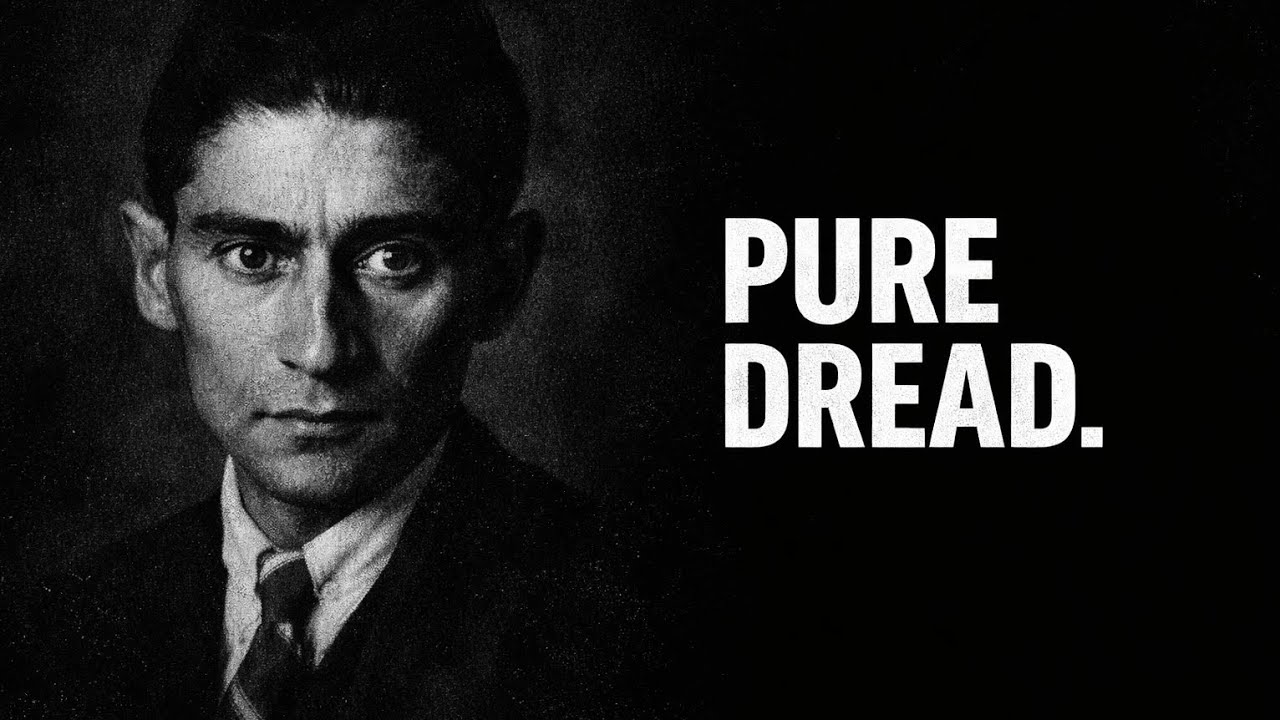
In this episode of The Dangerous Mind series, we explore Franz Kafka’s life, his relationship with his father, his fear of authority, and the psychological dread inside works like The Metamorphosis and The Trial.
Why does Kafka still feel so relevant?
Because he understood something about guilt, bureaucracy, and helplessness that modern life still reflects.
This is not just a biography.
This is an exploration of existential fear, identity, and the feeling of being trapped inside invisible systems.
If you enjoy deep literary analysis, philosophy, psychology, and modern interpretations of classic writers — subscribe for more.
This video from the "Dangerous Mind" series explores the life and works of Franz Kafka, highlighting his unique ability to decode the world around him.
The video covers the following aspects of Kafka's life and work:
The Nightmare of Existence (0:19-0:42): Kafka's stories, like The Metamorphosis, are presented as a "nightmare of capitalism" and rejection, where the world continues relentlessly even when one's identity is shattered.
Early Life and Father's Influence (0:51-1:44): The video delves into Kafka's oppressive relationship with his loud and authoritative father, which led to deep-seated insecurities and a sense of his existence being "inconvenient." This fractured identity later manifested in his fiction.
Bureaucracy and "The Trial" (1:47-2:28): Kafka's experience as an insurance clerk, dealing with human tragedies reduced to paperwork, inspired The Trial. This novel depicts a system where one is arrested for unknown reasons, facing an invisible and inevitable punishment. Kafka's genius lies in creating a dangerous "structure" rather than a villain, making the enemy intangible.
"The Metamorphosis" and Human Worth (2:29-3:04): The video discusses The Metamorphosis, focusing on the family's slow emotional murder of the protagonist Gregor after he turns into an insect. This illustrates Kafka's brutal idea that a person is loved only as long as they are useful; once weak, they are met with silence.
Love, Literature, and Obsession (3:13-3:55): Kafka's tumultuous romantic life, marked by broken engagements, is attributed to his fear of himself and his belief that "marriage and literature are incompatible." This highlights his dangerous obsession with his writing, for which he even sacrificed personal relationships.
Tuberculosis and Rejection of Self (3:57-5:08): The video details Kafka's battle with tuberculosis, which left him unable to communicate properly despite writing extensively about communication. Even on his deathbed, he asked his friend Max Brod to burn all his works, believing them incomplete and unworthy. This is presented as a "dangerous mind" rejecting itself.
Kafka's Legacy (5:10-5:53): Despite his self-rejection, Kafka became immortal because Max Brod disobeyed his wishes. Kafka didn't create monsters but rather systems, screaming through whispers. He gave language to private anxieties—feelings of insignificance, invisibility, and guilt—empowering people to question the system, which is where a mind becomes truly dangerous.
#franzkafka #explore
#kafkaquotes
#kafka
#metamorphosis
#existentialism
#literaryAnalysis
#modernism
#thetrial
franz Kafka
kafka biography
the metamorphosis summary
the trial explained
kafka analysis
existential literature
modernist writers
dangerous mind series
literary deep dive
psychology of writers
kafka father relationship
bureaucracy in literature
existential dread












Информация по комментариям в разработке