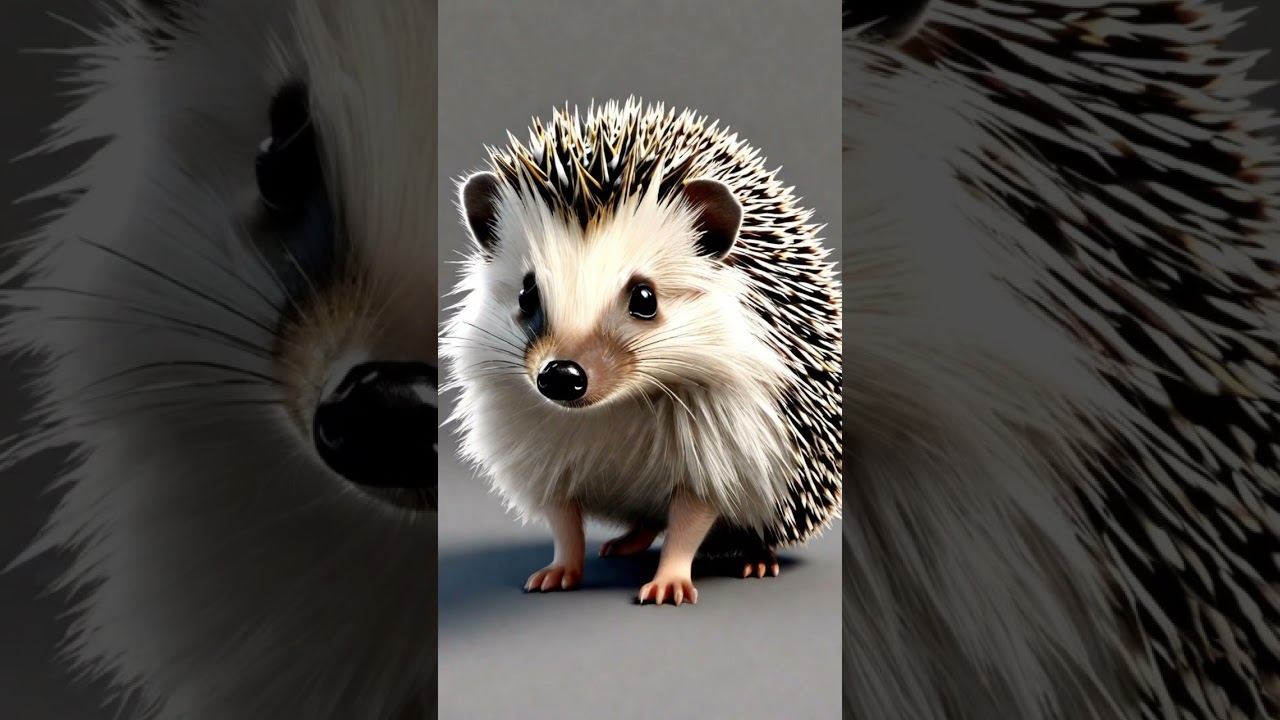
HEDGEHOGS are small, nocturnal mammals that belong to the subfamily Erinaceinae. They are characterized by their spines, which are modified hairs, and their distinctive appearance. Here are some key points about hedgehogs:
1. *Physical Characteristics:*
*Spines:* Hedgehogs have spines covering their back and sides. These spines are not poisonous or barbed but provide protection by making the animal difficult to approach or handle.
*Snout:* They have a pointed snout and a relatively short tail.
*Size:* Hedgehogs vary in size, but most species are small, ranging from 4 to 12 inches (10 to 30 cm) in length.
2. *Habitat:*
Hedgehogs are found in a variety of habitats, including forests, meadows, and gardens. They are adaptable and can thrive in both rural and urban environments.
3. *Diet:*
Hedgehogs are omnivores and have a varied diet. They eat insects, small rodents, birds' eggs, fruits, and plants. In captivity, they are often fed a mix of cat food, vegetables, and fruits.
4. *Behavior:*
Hedgehogs are primarily nocturnal, being more active during the night.
When threatened, they can roll into a tight ball, protecting their vulnerable belly and face with their spines.
5. *Reproduction:*
Hedgehogs usually mate in the late spring and early summer.
The female builds a nest for her young, called hoglets, and gives birth after a gestation period of about four to six weeks.
6. *Varieties:*
There are several species of hedgehogs, including the European hedgehog, the North African hedgehog, and the desert hedgehog.
7. *Conservation:*
Hedgehog populations in some regions are facing challenges due to habitat loss, road traffic, and other factors. Conservation efforts are underway to protect these unique animals.
8. *Pets:*
Some people keep hedgehogs as pets. However, it's essential to research their care requirements thoroughly, as they have specific needs, and ownership regulations may vary by location.
Remember, if you encounter a wild hedgehog, it's best to observe from a distance and avoid handling them, as they may feel threatened and curl into a ball for protection. If you suspect a hedgehog is injured or in distress, contacting local wildlife authorities or rehabilitation centers for advice is recommended.

Информация по комментариям в разработке