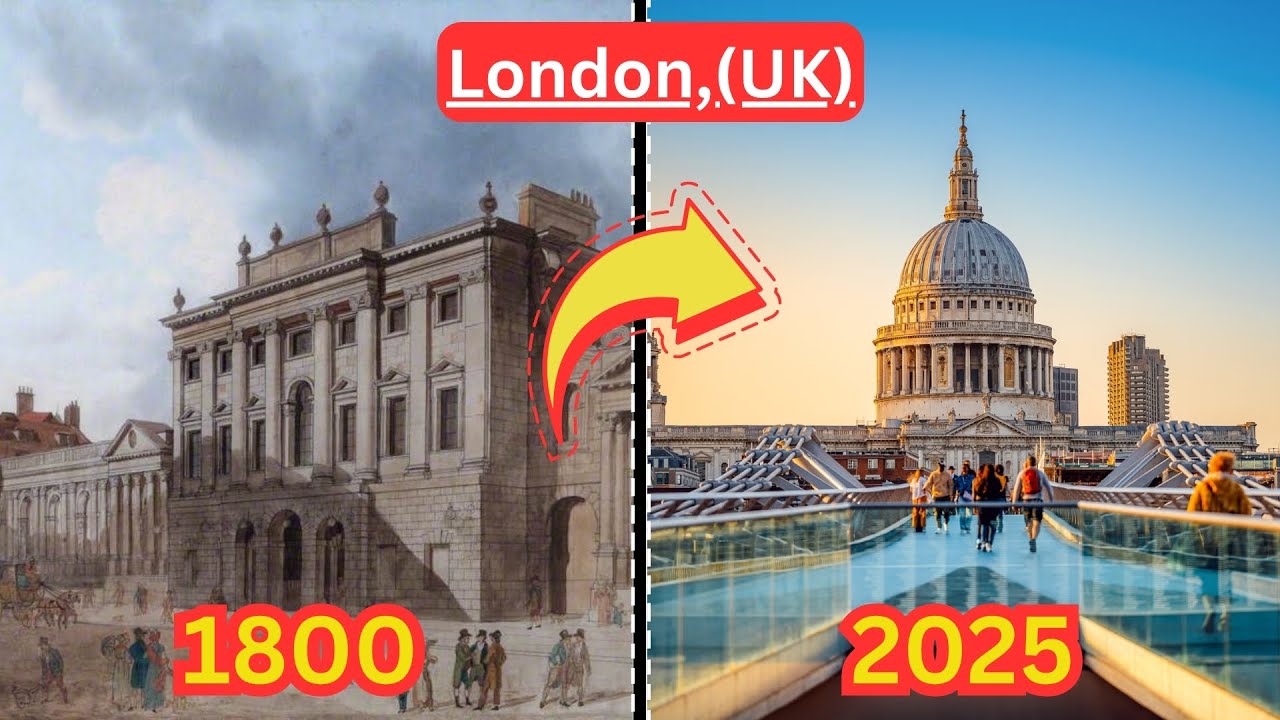
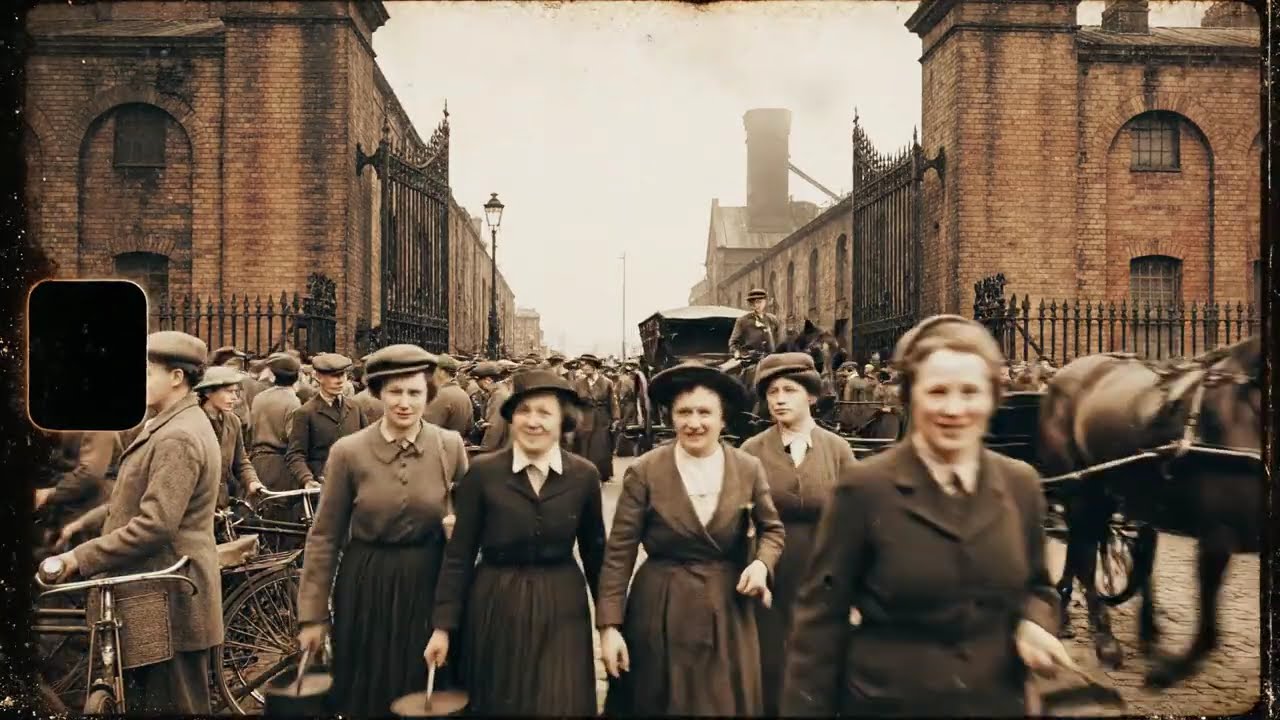
London, UK has experienced dramatic transformation between 1800 and 2025, growing from an industrial imperial capital into one of the world’s most dynamic and diverse cities. In 1800, London was the heart of the British Empire, with a population of around 1 million. The city was dense, polluted, and powered by early industry, with horse-drawn carriages, coal fires, and narrow streets. The River Thames was vital for trade but heavily polluted. Life was divided by strict class boundaries, and urban poverty was widespread.
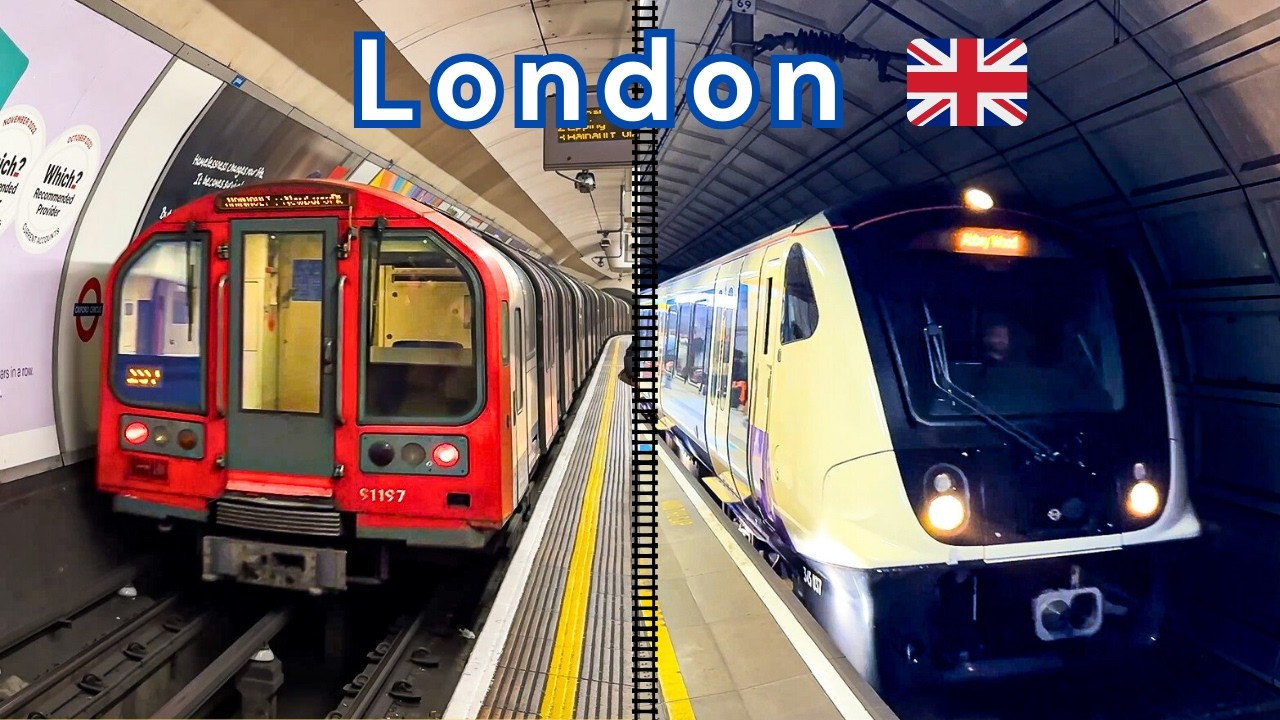
The 19th century brought railways, gas lighting, and the Underground—opened in 1863, it was the world’s first subway system. The Victorian era expanded the city through massive building projects. The 20th century saw the impact of two World Wars, followed by post-war rebuilding, suburban expansion, and increasing multiculturalism.
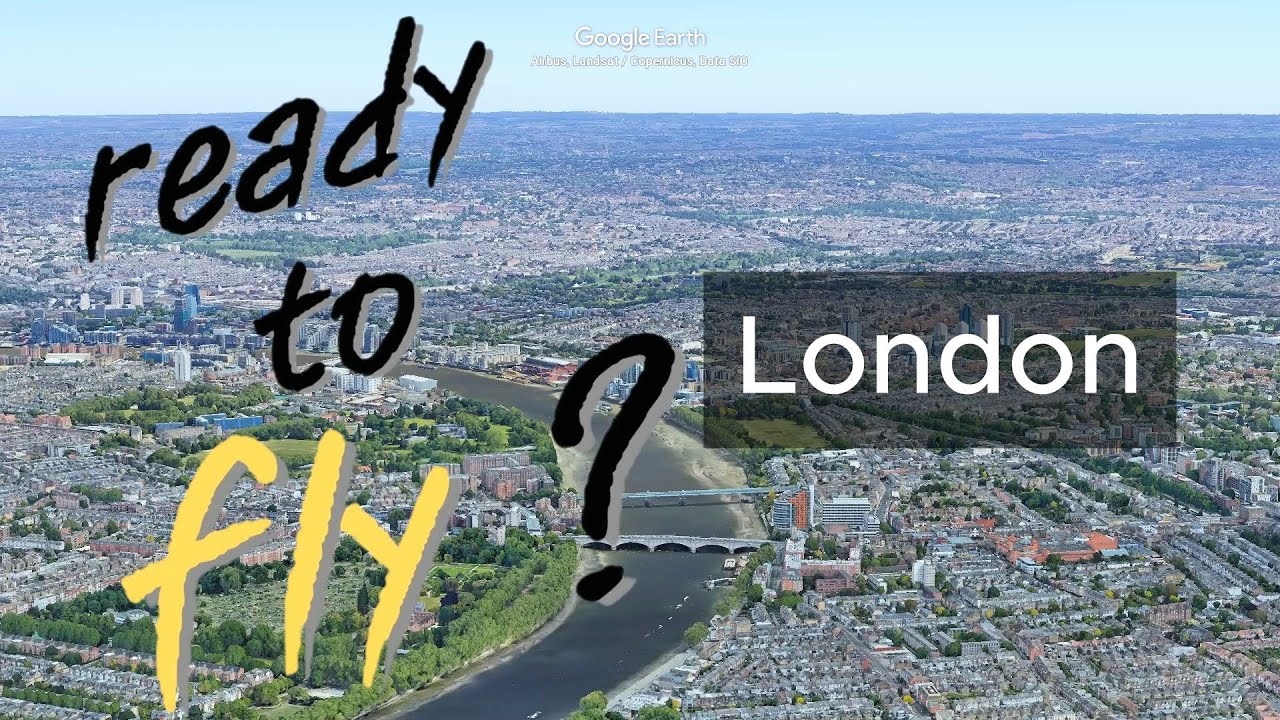
By 2025, London is a global capital of finance, culture, technology, and education, with over 9 million residents. The skyline mixes historic landmarks like Big Ben and Tower Bridge with modern icons like The Shard. Green spaces, sustainable transport, and digital infrastructure support a high quality of urban life. Despite challenges like economic inequality and housing pressure, London remains globally influential.
1800: Imperial capital, ~1M people
Industrial pollution, crowded slums, class divisions
Horse-drawn transport, coal power, and poor sanitation
2025: Population 9M+, global hub for finance, tech, and culture
Historic architecture coexists with modern skyscrapers
Extensive Underground, bike lanes, and green energy projects
Multicultural, resilient, and digitally connected
London’s evolution is a story of adaptation—where tradition meets innovation, and a city constantly redefines itself.
#LondonThenAndNow #CityEvolution #London1800to2025 #UrbanTransformation #HistoricLondon #ModernMetropolis #SmartCityLondon #FromEmpireToInnovation #LondonHistory #TimelessCity
Disclaimer:
The content on this channel is created for educational and informational purposes only. While we strive to provide accurate and up-to-date information about cities around the world, including historical and modern comparisons, some visuals and data may be based on publicly available sources, artistic interpretations, or estimates. We do not claim ownership of all media used; all rights belong to their respective owners. If you own any content featured and wish to have it removed or credited properly, please contact us directly.








![[4K] Best of LONDON 2025 🇬🇧 3 Hour Drone Aerial Relaxation Film UHD | England United Kingdom](https://i.ytimg.com/vi/FLlkOls9j0Q/maxresdefault.jpg)




Информация по комментариям в разработке