#ww2 #ww2history #untoldstory
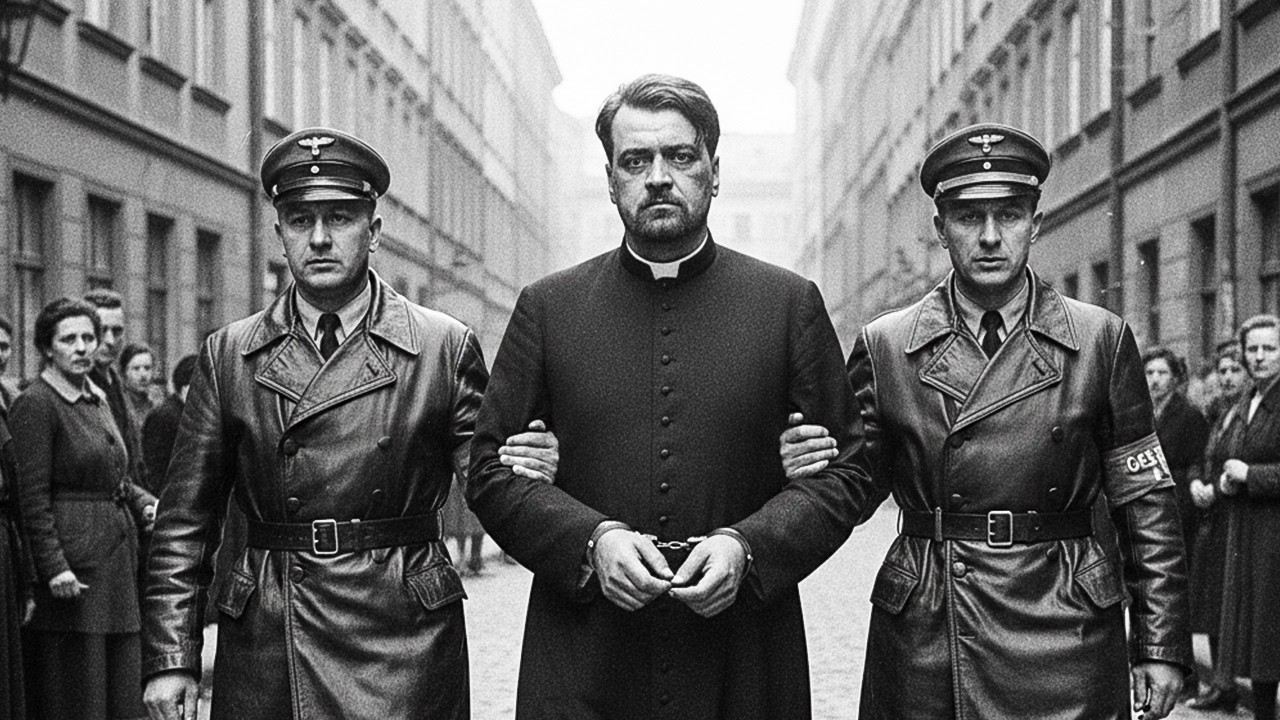
On November 17, 1943, the Gestapo launched a manhunt.
Forty German military vehicles had been crippled in a single night. Engines seized. Convoy erased. No explosions. No gunfire. No witnesses.
German command believed it had to be an elite Allied commando unit using advanced sabotage techniques.
They were wrong.
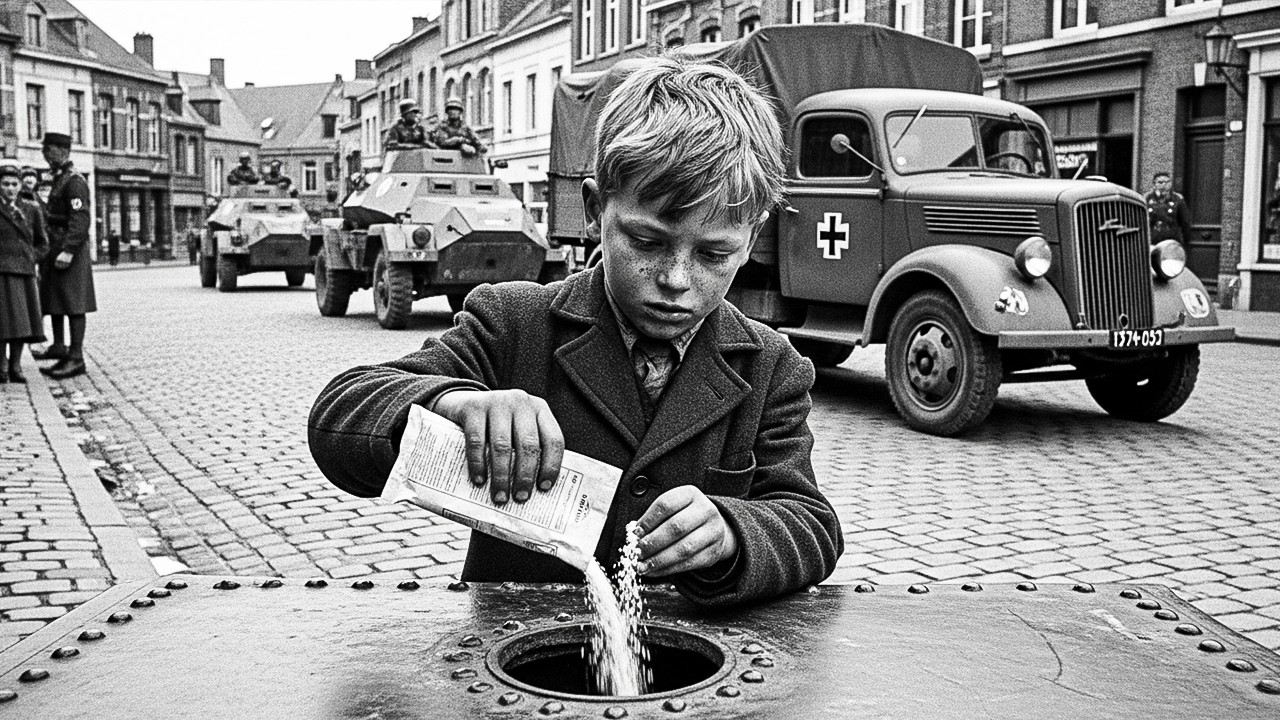
The “saboteur” was an 11-year-old Belgian boy.
And his weapon was 10 kilograms of sugar.
In occupied Belgium, the Nazi war machine ran on iron, fuel, and arrogance. Soldiers were trained to look for armed resistance fighters — adult men with weapons, explosives, and military discipline.
They were never trained to see a child.
This is the story of Marcel Dubois — whether a real boy or a symbol of the Belgian Resistance — who discovered a fatal flaw in the German occupation: their psychological blind spot.
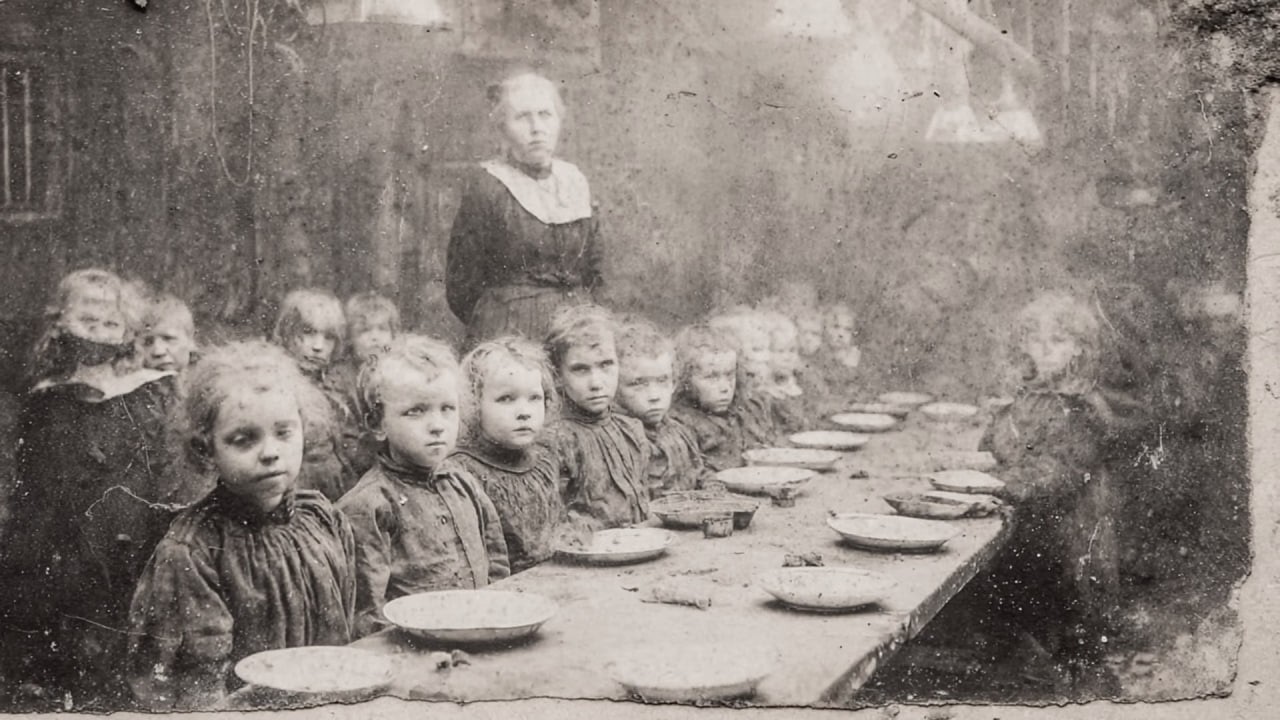
While villagers starved, convoys of Opel Blitz trucks rolled through town like unstoppable iron beasts. Marcel realized something crucial:
If the machines stopped, the occupation stalled.
Armed with nothing more than kitchen sugar and the enemy’s own assumptions, he slipped into a guarded motor pool and quietly poisoned forty fuel tanks. No noise. No spectacle. Just chemistry and patience.
At dawn, the convoy drove out confidently.
Five miles later, every engine began to seize.
What followed was chaos — stranded vehicles, confused officers, and a furious Gestapo search for a professional sabotage team that never existed.
Because the most dangerous threat in Belgium… was invisible.
⚠️ Was this story real?
Historians have never verified Marcel Dubois as a documented individual. However, the sabotage method is grounded in historical fact. The British Special Operations Executive (SOE) produced WWII sabotage manuals recommending sugar and abrasive materials to disable Axis transport.
Whether literal or symbolic, this story reflects a deeper truth about resistance warfare:
Tyranny collapses when it underestimates the powerless.
In this episode, we explore:
• Psychological blind spots in military occupations
• How small acts can cripple large systems
• The science behind engine sabotage
• The power of invisibility in resistance warfare
• Why arrogance is often a superpower’s greatest weakness
If you enjoy deeply researched World War II stories about shadow warfare, resistance tactics, and the overlooked individuals who disrupted empires, consider subscribing.
Because sometimes the deadliest weapon in a war
is the one no one thinks to look for.
DISCLAIMER
This video is a dramatic historical narrative created for storytelling and educational entertainment. While it draws inspiration from real World War II–era events, figures, and military situations, portions of the narrative, dialogue, timelines, and character perspectives have been fictionalized or dramatized for narrative impact.
Any resemblance to actual persons, living or deceased, beyond well-documented historical context, is coincidental. This content is not intended as a definitive historical record, academic analysis, or military instruction.
COPYRIGHT NOTICE
© 2025 WW2 Legacy Narrative. All rights reserved.
This video and its contents—including narration, visuals, music, graphics, and edited footage—are the exclusive property of WW2 Legacy Narrative and are protected under international copyright law. Unauthorized reproduction, redistribution, or use of this content, in whole or in part, is strictly prohibited.
#WW2History #WorldWar2 #WWII #WW2Stories #WorldWarTwo #WW2Documentary #SecondWorldWar #WW2Facts #UntoldWW2Stories








Информация по комментариям в разработке