#indinapoliy #polity #rajbhasha #upsc
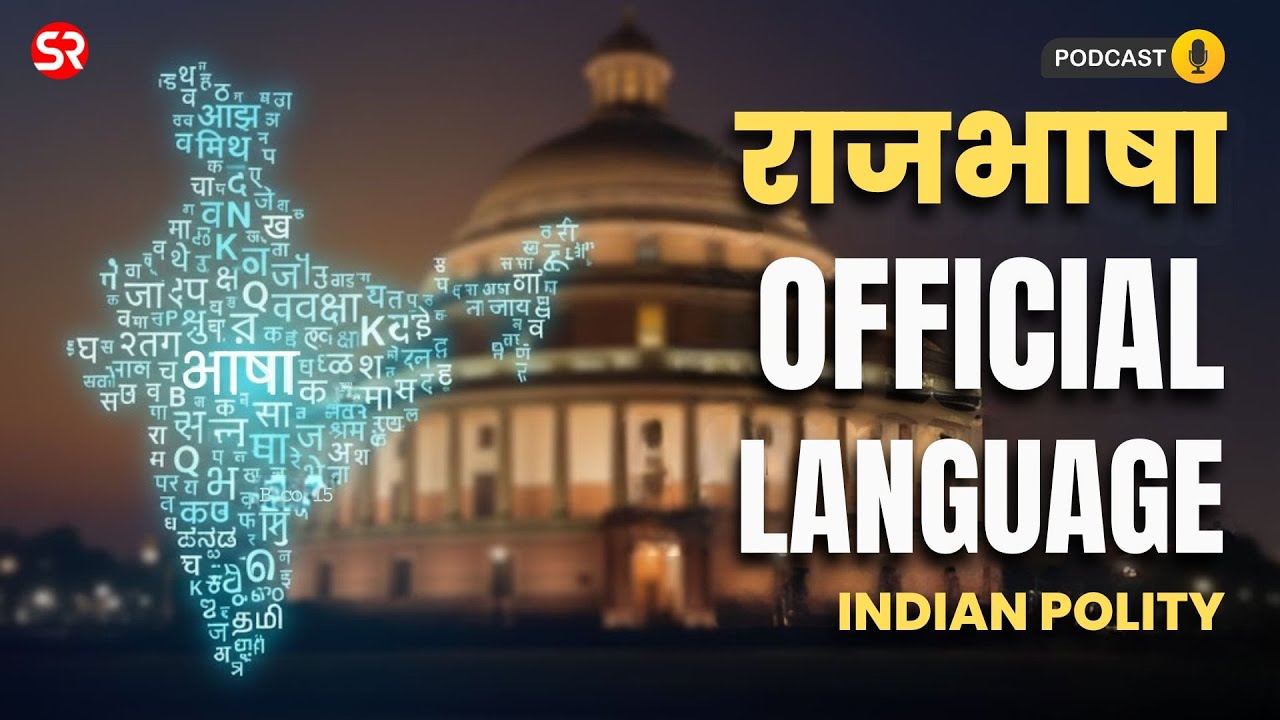
Official Language: Part XVII (Articles 343-351) | Indian Constitution Laxmikanth Summary
Official Language Act & Classical Languages | Complete Indian Polity Guide (Art. 343-351)
Language of Supreme Court, High Courts & Classical Status | Indian Constitution Explained
Is Hindi the National Language or the Official Language? What does the Constitution say about the language of the Supreme Court? In this video, we decode Part XVII of the Indian Constitution (Articles 343 to 351). We cover everything from the Language of the Union and Regional Languages to the special status of Classical Languages in India.
Whether you are a UPSC aspirant, a law student, or a curious citizen, this video breaks down complex constitutional provisions into simple, easy-to-understand points.
🔥 In This Video, We Cover:
1. Language of the Union (Art. 343-344):
Why Hindi in Devanagari script is the Official Language.
The 15-year rule for English (1950-1965) and why it continues today under the Official Languages Act, 1963.
The role of the Official Language Commission (B.G. Kher) and Parliamentary Committees.
2. Regional Languages (Art. 345-347):
How states like Andhra Pradesh, Kerala, and Uttar Pradesh choose their official languages.
Why states like Meghalaya and Nagaland adopted English.
Communication rules between the Union and States.
3. Language of the Judiciary & Laws (Art. 348-349):
Why the Supreme Court and High Courts primarily use English.
Can a High Court use Hindi? (The role of the Governor and President).
The constitutional stance on arguing in Hindi in the Supreme Court.
4. Special Directives & Linguistic Minorities (Art. 350-351):
Rights for filing grievances in any language.
Instruction in mother-tongue at the primary education stage.
Duty of the Centre to promote and develop the Hindi language.
5. Classical Language Status:
Criteria for "Classical" status (1,500–2,000 years of history).
List of 6 Classical Languages: Tamil (2004), Sanskrit (2005), Telugu (2008), Kannada (2008), Malayalam (2013), and Odia (2014).
Benefits of this status for scholars and universities.
6. Committee of Parliament on Official Language:
Composition: 30 members (20 Lok Sabha + 10 Rajya Sabha).
Role in reviewing the progress of Hindi usage.
📚 Key Articles at a Glance:
Article 343: Official language of the Union.
Article 348: Language of Supreme Court & High Courts.
Article 350A: Facilities for instruction in mother-tongue.
Article 351: Directive for development of Hindi.
👍 Don't forget to Like, Share, and Subscribe for more Indian Polity content!
Official Language of India, Indian Constitution Part XVII, Article 343 to 351, Official Languages Act 1963, Classical Languages of India, Language of Supreme Court, UPSC Indian Polity, Laxmikanth Polity Summary, Hindi vs English Official Language, Regional Languages of India, Committee of Parliament on Official Language, Eighth Schedule of Constitution, Linguistic Minorities Rights.
#Hashtags:
#IndianConstitution #OfficialLanguage #UPSC #IndianPolity #Laxmikanth #Hindi #ClassicalLanguages #Law #SSC #GeneralKnowledge
Join Now
Facebook :- https://www.facebook.com/profile.php?...
Instagram :- https://www.instagram.com/shubhra__ra...
Telegram :- https://t.me/SRIAS_Lucknow

Информация по комментариям в разработке