Bangladesh’s political landscape has long been dominated by two towering figures: Sheikh Hasina, the current Prime Minister and leader of the Awami League (AL), and Khaleda Zia, the former Prime Minister and chairperson of the Bangladesh Nationalist Party (BNP). The rivalry between these two leaders, often referred to as the "Battling Begums," has shaped the country’s politics for decades. However, this political tussle has also been accompanied by widespread allegations of corruption, authoritarianism, and the misuse of state power.
In this video, we delve into the history of Bangladeshi politics, exposing the extreme corruption, political scandals, and authoritarian practices that have plagued the nation.
Sheikh Hasina: Leadership or Authoritarianism?
Sheikh Hasina has been a dominant figure in Bangladeshi politics for decades, leading the Awami League to multiple electoral victories. While her supporters hail her for fostering economic growth, infrastructure development, and social reforms, critics argue that her governance style has leaned toward authoritarianism.
Allegations of Corruption: Sheikh Hasina’s government has faced allegations of high-level corruption, including scandals involving state-owned enterprises and infrastructure projects. Reports of inflated project costs and misappropriation of public funds have tainted the government’s achievements.
Media Suppression and Opposition Crackdown: The Hasina regime has been accused of suppressing dissent through strict media controls and controversial laws like the Digital Security Act, which critics claim has stifled free speech. Opposition leaders and activists have often faced arrests, lawsuits, and harassment.
Election Controversies: Questions about electoral integrity have dogged the Awami League. The 2018 general elections were marred by allegations of vote rigging and voter suppression, leading to concerns about democratic backsliding under Hasina’s leadership.
Khaleda Zia and BNP: A History of Corruption
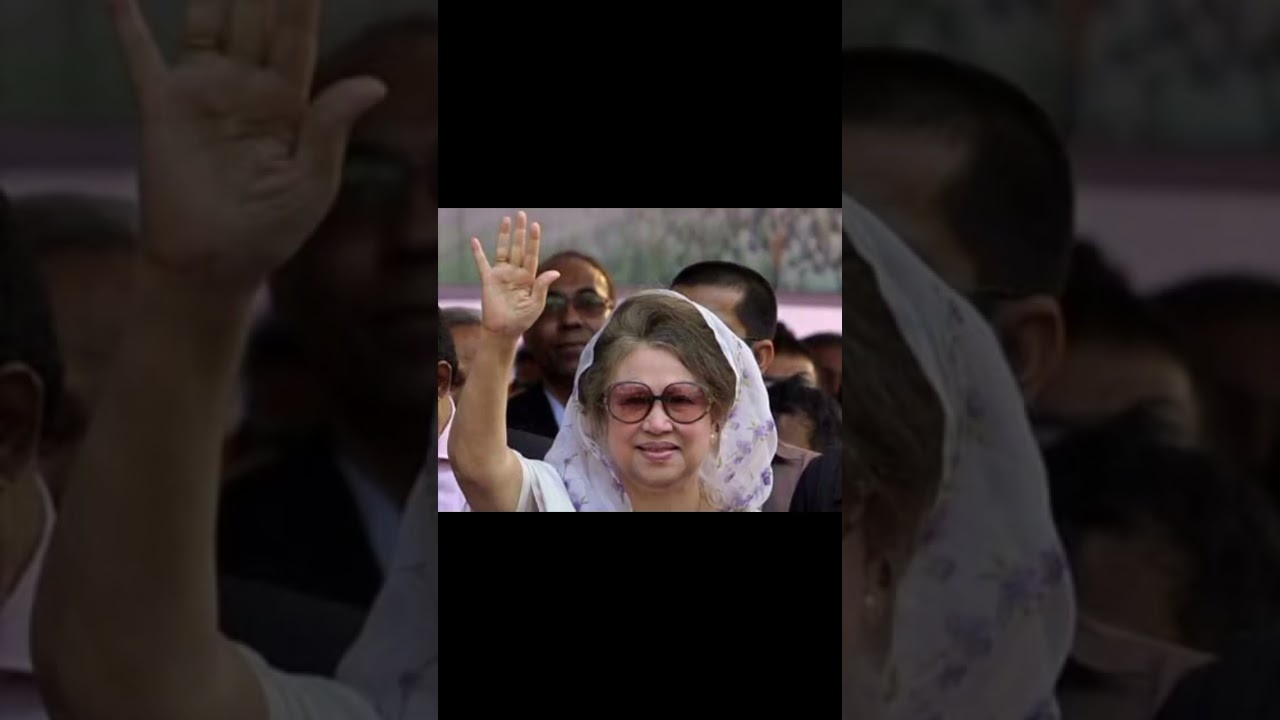
Khaleda Zia, the first female Prime Minister of Bangladesh, led the BNP to power on several occasions. However, her tenure has also been overshadowed by allegations of corruption and nepotism.
Zia Orphanage Trust Case: In 2018, Khaleda Zia was convicted of embezzling funds meant for the Zia Orphanage Trust. This high-profile case has been a focal point of criticism against the BNP, with the conviction being used by the ruling Awami League to discredit Khaleda and her party.
Nepotism and Mismanagement: Khaleda Zia’s tenure was marked by accusations of nepotism, with key positions often handed to close allies or family members. Her son, Tarek Rahman, has faced numerous allegations of corruption and money laundering, including siphoning millions of dollars abroad.
Political Violence: The BNP has been criticized for resorting to violent tactics during protests and hartals (strikes). Many blame the party for fostering an environment of political instability during its rule.
Money Laundering Scandals: Tarek has been accused of laundering millions of dollars through illegal channels. His alleged involvement in the 2004 grenade attack on an Awami League rally further tarnished his reputation.
Political Strategy from Exile: Despite living abroad, Tarek plays a key role in shaping the BNP’s strategies, though critics argue that his absence weakens the party’s effectiveness on the ground.
Election Irregularities: Allegations of voter intimidation, ballot stuffing, and the misuse of state machinery during elections have eroded public trust in the democratic process.
Extreme Fascism and Suppression
Bangladesh has seen a worrying trend of increasing authoritarianism, with both major political parties accused of undemocratic practices.
Awami League's Tight Grip on Power: Under Sheikh Hasina, the government has been accused of silencing opposition voices through mass arrests, enforced disappearances, and restrictions on free speech.
BNP's History of Violence: During its time in power, the BNP was also criticized for its heavy-handed approach to dissent and its reliance on paramilitary forces to suppress opposition.
Civil Society Under Threat: Activists, journalists, and academics who speak out against corruption and injustice often face intimidation and legal action.
What Needs to Change?
To address these challenges, Bangladesh requires a systemic overhaul of its political and governance structures.
Strengthening Institutions: Independent and transparent institutions are essential to curb corruption and ensure accountability.
Free and Fair Elections: Electoral reforms are needed to restore public confidence in the democratic process.
Empowering Civil Society: Protecting the rights of journalists, activists, and citizens to speak freely is crucial for a healthy democracy.
Ending Dynastic Politics: Moving away from personality-driven politics to issue-based governance could help Bangladesh progress.

Информация по комментариям в разработке