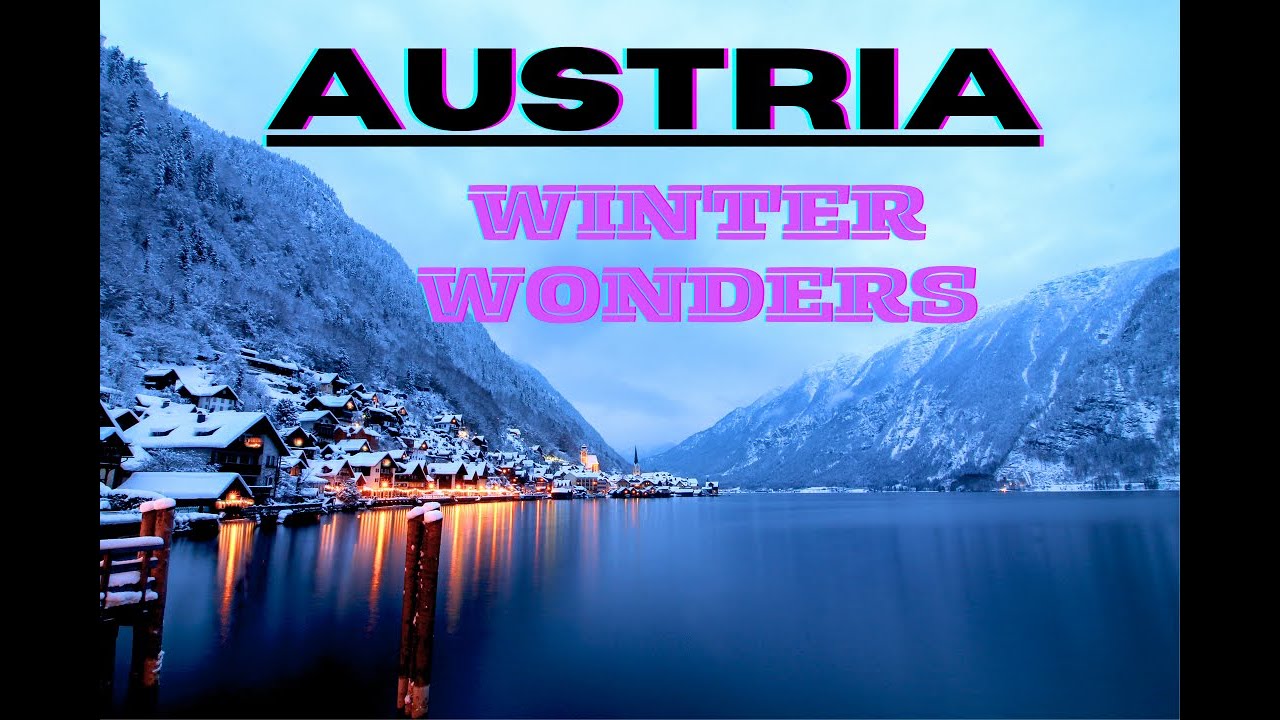
Austria's winter weather varies across its regions, but generally, it's characterized by cold temperatures and snowfall. Here's a breakdown for Vienna, Innsbruck, Salzburg, and Graz:
Vienna:
Vienna, the capital, experiences a relatively mild winter compared to other Austrian cities. Temperatures typically range from -3°C to 4°C (26°F to 39°F) in January, the coldest month. Snowfall is less frequent and usually light, with an average of 6 days of snow in January. However, the city's parks and gardens, such as the Schönbrunn Palace Gardens, look picturesque when dusted with snow.
Innsbruck:
Innsbruck, located in the heart of the Alps, has a colder and snowier winter climate compared to Vienna. January temperatures range from -5°C to 3°C (23°F to 37°F), and snowfall is more frequent, with an average of 10 days of snow. The city is a popular destination for winter sports enthusiasts, with nearby ski resorts like Nordkette and Patscherkofel.
Salzburg:
Salzburg, famous for being the birthplace of Mozart and the setting of "The Sound of Music," experiences a similar winter climate to Innsbruck. January temperatures range from -4°C to 3°C (25°F to 37°F), and snowfall is common, with an average of 11 days of snow. The city's historic old town, with its baroque architecture, looks enchanting under a blanket of snow.
Graz:
Graz, located in southeastern Austria, has a milder winter climate compared to Innsbruck and Salzburg. January temperatures range from -1°C to 5°C (30°F to 41°F), and snowfall is less frequent, with an average of 7 days of snow. The city's Schlossberg hill, with its clock tower and panoramic views, offers a beautiful winter landscape.
Overall, Austria's winter weather offers a mix of climates, from milder conditions in Vienna and Graz to colder, snowier weather in Innsbruck and Salzburg.
Информация по комментариям в разработке