Kingship in Display in Yakurr Culture
In Yakurr culture, particularly among the people of Ugep, Mkpani, Idomi, Nko, and other Yakurr-speaking communities in Cross River State, Nigeria, kingship is a revered institution deeply rooted in tradition, ancestral heritage, and sacred responsibility. The Yakurr people display their kingship most prominently during festivals, ceremonies, and community events where the king, known as the Obol Lopon (especially in Ugep), takes center stage as the spiritual, cultural, and political head.
---
1. The Role of the King (Obol Lopon)
The Obol Lopon is more than a political leader — he is regarded as a father of the land, a custodian of customs, and a bridge between the people and the ancestral spirits. His position is seen as divine and symbolic, chosen not just by men, but by the will of the ancestors.
He presides over spiritual rituals, leads prayers to the gods and ancestors, and ensures peace and order among the people. He is also the ultimate custodian of the land, traditions, and moral values.
---
2. Kingship Display during Festivals
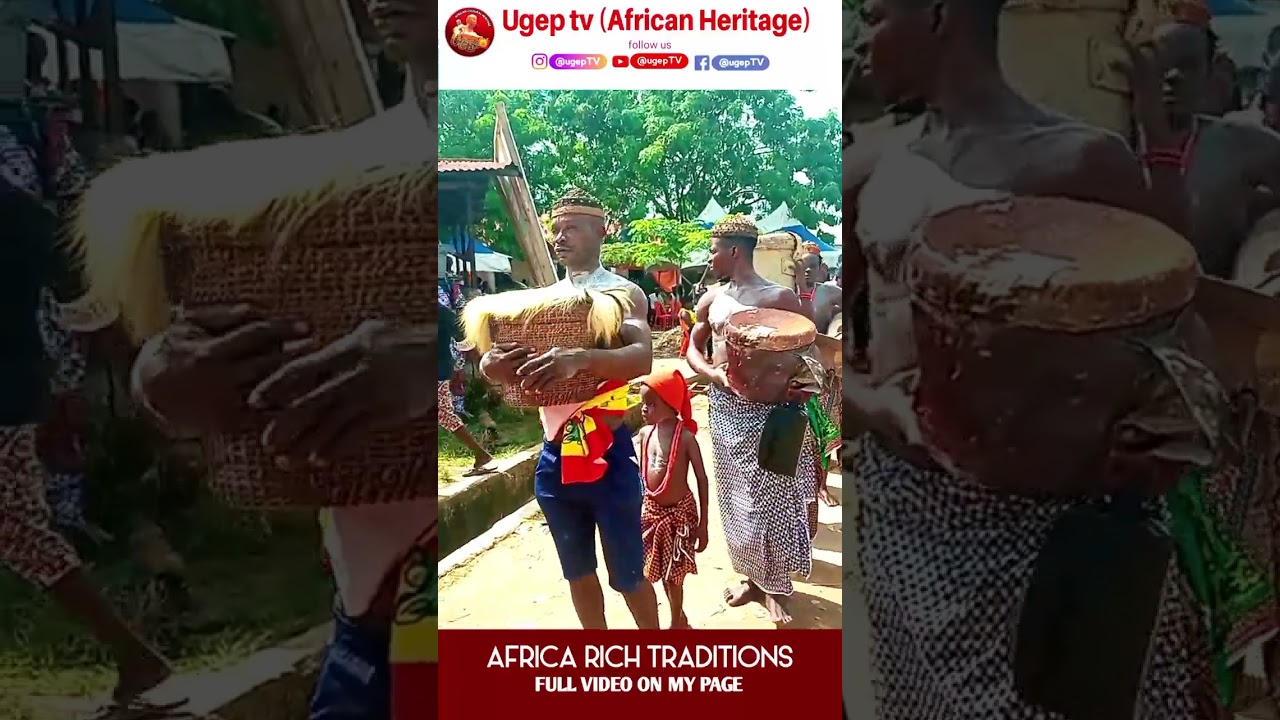
One of the most striking displays of kingship in Yakurr land occurs during the Leboku New Yam Festival, held annually in August in Ugep. During this celebration:
The Obol Lopon appears in full royal regalia — often adorned in traditional beads, coral necklaces, white chalk, and symbolic attire reflecting power and purity.
He is seated on a decorated throne under a royal canopy, surrounded by traditional chiefs, elders, and praise singers.
His presence commands reverence. No one dares to appear before him improperly dressed or without the right conduct.
He leads ancestral prayers, offering kola nuts, drinks, and invoking blessings for peace, fertility, and prosperity.
Traditional dances, chants, and drumming follow his appearance, with youths and elders paying homage.
This public appearance is not just a performance — it is a renewal of the covenant between the ruler, the people, and the spirits of the land.
---
3. Symbols of Authority
The king’s authority is displayed through sacred items, such as:
The Royal Staff (Okpoko) – a symbol of power and justice.
Royal Cap and Attire – indicating his status and sacred office.
Royal Stool (Asa Obol) – signifying the ancestral throne he occupies.
Traditional Guards (Etanghe) – young men who protect the king during public appearances.
---
4. Respect and Restrictions
The king is regarded as sacred. In many Yakurr communities:
Certain words or actions are forbidden in his presence.
He speaks in proverbs, parables, and formal speech.
Women and children kneel or bow in respect.
The people chant praise names like “Obol ke Yakurr” (King of Yakurr) or “Obol Okom” (Peaceful King) during ceremonies.
---
5. Succession and Kingship Heritage
Yakurr kingship is hereditary but not purely based on bloodline. Elders, traditional societies, and diviners often play a role in selecting a new Obol based on character, wisdom, and ancestral signs. Once chosen, the king undergoes secret initiation rites to bind him spiritually to the ancestors and the gods.
---
Conclusion
Kingship in Yakurr culture is not merely ceremonial — it is spiritual, cultural, and deeply respected. It reminds the people of their heritage, identity, and the invisible link between the past and present. The Obol Lopon is not just a man; he is a living symbol of the soul of Yakurr.
---
l

Информация по комментариям в разработке