The seventeenth century saw the Ananthampillais become Pradhans (ministers) of the Mysore rajas. The history of Mysore records their brave, loyal and devoted service to the royal family and the state, their successes and disappointments, their fortunes and misfortunes in the centuries that followed. In 1608, when Raja Wodeyar of Mysore occupied the fort of Srirangapatna, he needed the authorisation of the Emperor of Vijayanagar to hold it. At the Raja’s request, Tirumalayyangar, a descendant of Govindaraja, went to Vijayanagar to obtain it for him, and became his Pradhan. His descendants continued to be advisors and Pradhans of the Maharajas who succeeded to the throne.
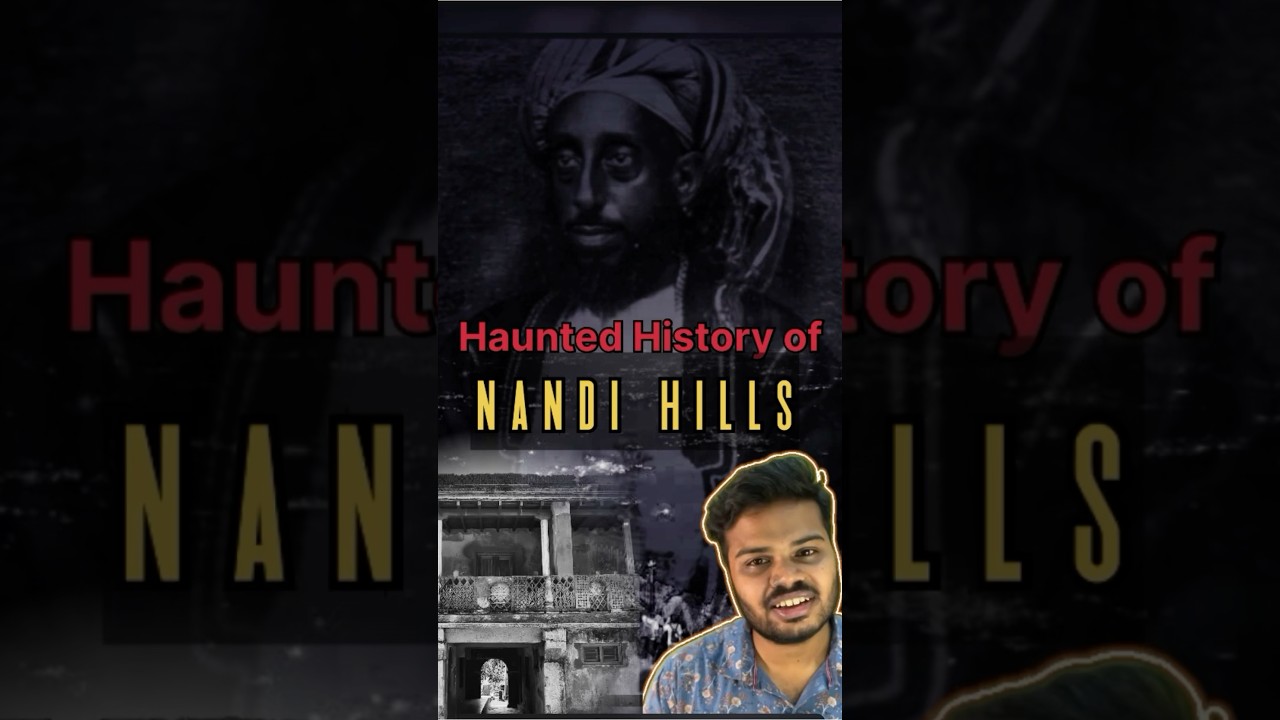
Tragedy struck the Wodeyars in 1762 when Hyder Ali, a troop commander employed by the Maharaja, usurped the throne. He imprisoned the Maharaja, who languished and died in confinement. He plundered the Pradhan’s belongings and had him strangled to death in 1765. Hyder Ali was succeeded by his son Tipu Sultan. The years that followed were to witness the lovely island capital of a peaceful kingdom, ‘an ornament to the lady earth, filled with peace, poets, wise men and ministers’ (as described in an inscription in 1685), transformed into a gory battlefield with prisoners tortured and chained in dungeons near the beautiful temple of Ranganatha. Loyal, devoted subjects, high and low, lived in terror or fled the kingdom; thousands were forcibly converted to Islam; hundreds massacred, dragged through the streets, chained to the legs of elephants, or had their heads crushed by elephants. By way of variety, some were pushed to death down the steep precipice known as ‘Tipu’s drop’ on top of Nandi Hill near Bangalore.
It would be wrong to think that such inhuman, cruel treatment of enemies and prisoners was unusual or exceptional. The Sultan’s conduct was no exception to the practices prevalent at the time or even to those which continued in later years, when less crude and more sophisticated methods were used.
Lakshmammanni, the bereaved Maharani, a woman of remarkable courage and ability, was determined to end the usurpation and regain the kingdom. She appointed Tirumal Row and Narayan Row, the sons of Pradhan Govindaraja, as Pradhans to help her achieve her object. The saga of the heroic and untiring efforts of the Maharani and the Pradhans are recorded by Dr Lewis Rice in the Mysore Gazetteer, and in The Mysore Pradhans, a work by Dr K.N.V. Sastry, a former professor of history in the University of Mysore. #nandihill #haunted #biggbosskannada

Информация по комментариям в разработке