Pericle Fazzini, lo scultore del vento - the sculptor of the wind
Museo Carlo Bilotti – Aranciera di Villa Borghese, Roma
Dal 25 marzo al 2 luglio 2023 il Museo Carlo Bilotti, Aranciera di Villa Borghese ospita la mostra Pericle Fazzini, lo scultore del vento, a cura di Alessandro Masi, con Roberta Serra e Chiara Barbato, e i contributi in catalogo di Bruno Racine, Claudio Strinati e Salvatore Italia.
L’esposizione, promossa da Roma Culture, Sovrintendenza Capitolina ai Beni Culturali e dalla Fondazione e Archivio Storico “Pericle Fazzini”, presenta una selezione di circa 100 opere dell’artista tra sculture, bozzetti, disegni e grafiche. L’ingresso al museo è gratuito, i servizi museali sono di Zètema Progetto Cultura.
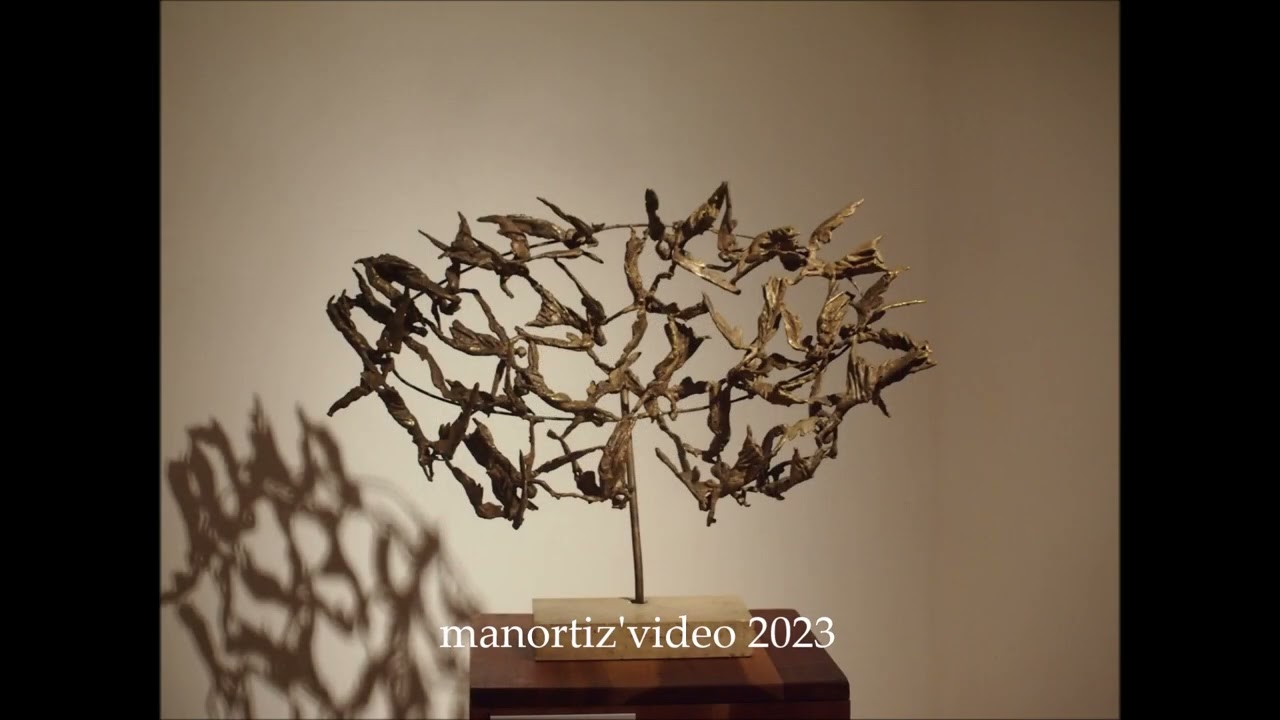
Le opere di Pericle Fazzini, “lo scultore del vento”, come lo definì il grande poeta Giuseppe Ungaretti, tornano finalmente in mostra a Roma dopo trent’anni, in occasione del 110° anniversario della sua nascita. La mostra, curata dallo storico dell’arte Alessandro Masi, in collaborazione con Roberta Serra e Chiara Barbato, ripercorre l’intera vita creativa del maestro marchigiano, attraverso sculture di piccola e grande dimensione – fra legni, bronzi e gessi – disegni e opere grafiche: dalle prime prove degli anni Trenta e Quaranta come “Donna nella tempesta” (1932) e “Sibilla” (1947) fino ai bozzetti originali della “Resurrezione” della sala Pier Luigi Nervi in Vaticano, ultimo cantiere di un artista unico dopo la Cappella Sistina di Michelangelo. Di particolare interesse sono il “Ritratto di Anita” (1933), il “Giovane che declama” (1937-38), il “Ritratto di Sibilla Aleramo” (1947), l'”Uomo che urla” (1949-50) e il “Profeta” (1949), quest’ultimo raramente esposto.
Il percorso dell’artista, autore tra i più apprezzati della “Scuola romana”, nato a Grottammare (AP) il 4 maggio del 1913 e morto a Roma il 4 dicembre del 1987, si inserisce tra le più alte testimonianze dell’arte sacra del XX secolo. Il suo anelito alla bellezza come svelamento del Divino segna una svolta nella ricerca plastica contemporanea traducendo il testo sacro delle Scritture in una forma dialogante tra Fede e Arte.
Figlio di un povero falegname piceno, Pericle Fazzini conobbe la sua fama grazie al poeta Mario Rivosecchi che lo introdusse negli ambienti della Roma dei Mafai, Scipione, Mazzacurati, Ziveri e della gallerista Anna Laetitia Pecci Blunt (Galleria La Cometa), che impressero una svolta all’arte in senso espressionista e antiretorico contro ogni forma d’arte di regime e celebrativa del fascismo.
Pericle Fazzini
(Grottammare, Ascoli Piceno, 1913 – Roma, 1987
Pericle Fazzini, the sculptor of the wind
The exhibition Pericle Fazzini, the sculptor of the wind at the Carlo Bilotti Museum in Villa Borghese, which celebrates the 110th anniversary of the artist's birth, is an anthological exhibition presenting a rich series of masterpieces of the famous sculptor to the Capitoline public.
Around fifty of the most representative works are presented throughout the exhibition, including sketches, drawings, small and large sculptures, now kept at the "Pericle Fazzini" Foundation, which narrate the journey of one of the greatest Italian artists of the 20th century.
The exhibition, curated by the art historian Alessandro Masi, in collaboration with Roberta Serra and Chiara Barbato, is an overview of Fazzini's entire artistic production, which ranges from the first works of the 1930s and 1940s such as "Woman in the storm" (1932) and "The boy with the seagulls" (1940-46) up to the original sketches of the "Resurrection" in the Pier Luigi Nervi room in the Vatican. Also noteworthy, among others, is the monumental sculpture of 1932, "Uscita dall'Arca", with which the young Fazzini won the scholarship for the National Artistic Pension, the "Ungaretti’s portrait " (1936; cast 1987) , the "Portrait of Sibilla Aleramo" (1947) and the "Dance", which saw him protagonist at the Roman Quadrennial of 1935.
Son of a carpenter, Pericle Fazzini was introduced by the poet Mario Rivosecchi into the artistic circles of the Mafai, Scipione, Mazzacurati, Ziveri and the gallery owner Anna Laetitia Pecci Blunt (Galleria La Cometa) in Rome, who marked a turning point in art in an expressionist and and anti-rhetorical sense against any art form of system and celebration of fascism. Defined by Ungaretti as "the sculptor of the wind", this artist among the most appreciated of the "Roman School", was the author of the most important examples of sacred art of the 1900s. His sculptures find space in important private and public collections such as the Moma in New York, the National Gallery of Modern Art in Rome, the Guggenheim Collection in Venice, the Center Pompidou in Paris and the Momat in Tokyo (...)
https://www.turismoroma.it/en/events/...

Информация по комментариям в разработке