² 🦀♤¹★⁴☆² Araneae - Spiders
___
🦀♤¹ Class Arachnida (95930), 9606 Genera - Arachnids
★⁴ Superorder Not assigned
☆² Order Araneae (51371), 4358 - Spiders
•¹³⁶ Family...² 🐈⬛
Hahniidae (367), 27 - Hahniid Spiders
Halonoproctidae (133), 6
Heptathelidae (113), 7
Hersiliidae (188), 16 - Longspinneret Spiders
Hexathelidae (45), 7 - Australian Funnelweb Spiders
Hexurellidae (8), 1
Homalonychidae (2), 1 - Dusty Desert Spiders
Huttoniidae (1), 1 - Huttoniid Spiders
Hypochilidae (33), 2 - Lampshade Weavers
Idiopidae (436), 23 - Armored Trapdoor Spiders
Ischnothelidae (26), 5
Lamponidae (192), 23 - Whitetailed Spiders
Leptonetidae (374), 22 - Cave Spiders
Linyphiidae (4796), 364 - Sheetweb Weavers
Liocranidae (345), 36 - Liocranid Spiders
Liphistiidae (70), 1 - Segmented Trapdoor Spiders
Lycosidae (2437), 133 - Wolf Spiders
Macrothelidae (47), 2
Malkaridae (57), 13 - Shield Spiders
Mecicobothriidae (2), 1 - Mecicobothriid Spiders
Mecysmaucheniidae (25), 7 - Mecysmaucheniid Spiders
Megadictynidae (2), 2
Megahexuridae (1), 1
Microhexuridae (2), 1
Microstigmatidae (38), 11 - Microstigmatid Spiders
Migidae (103), 11 - Tree Trapdoor Spiders
Mimetidae (159), 8 - Pirate Spiders
Miturgidae (186), 32 - Prowling Spiders
Myrmecicultoridae (1), 1
Mysmenidae (188), 17 - Dwarf Cobweb Weavers
Nemesiidae (152), 10 - Wishbone Spiders, Tubetrapdoor Spiders
Nephilidae (44), 7
Nesticidae (281), 16 - Cave Cobweb Spiders
Nicodamidae (27), 7 - Nicodamid Spiders
Ochyroceratidae (180), 10 - Ochyroceratid Spiders
Oecobiidae (125), 6 - Flatmesh Weavers
Oonopidae (1935), 115 - Dwarf Sixeyed Spiders
Orsolobidae (188), 30 - Orsolobid Spiders
Oxyopidae (441), 9 - Lynx Spiders
Pacullidae (38), 4
Palpimanidae (170), 21 - Palpimanid Spiders
Paraplectanoididae (1), 1
Paratropididae (19), 4 - Baldlegged Spiders
Penestomidae (9), 1
Periegopidae (3), 1 - Periegopid Spiders
Philodromidae (516), 29 - Running Crab Spiders
Pholcidae (1945), 97 - Daddylongleg Spiders, Cellar Spiders
Phonognathidae (27), 5
Phrurolithidae (392), 26
Physoglenidae (72), 13
Phyxelididae (68), 14 - Phyxelidid Spiders
Pimoidae (86), 2 - Pimoid Spiders
Pisauridae (356), 2 - Nursery Web Spiders
Plectreuridae (31), 2 - Plectreurid Spiders
Porrhothelidae (5), 1
Prodidomidae (190), 23
Psechridae (62), 2 - Psechrid Spiders
Psilodercidae (224), 10
Pycnothelidae (139), 15
Rhytidicolidae (14), 2
Salticidae (6608), 676 - Jumping Spiders
Scytodidae (252), 4 - Spitting Spiders
Segestriidae (178), 5 - Tunnel Spiders
Selenopidae (281), 9 - Selenopid Crab Spiders
Senoculidae (31), 1 - Senoculid Spiders
Sicariidae (174), 3 - Sixeyed Sicariid Spiders
Sparassidae (1461), - Huntsman Spiders, Giant Crab Spiders
Stasimopidae (54), 1
Stenochilidae (13), 2 - Stenochilid Spiders
Stiphidiidae (125), 20 - Stiphidiid Spiders
Symphytognathidae (100), 10 - Dwarf Orbweavers
Synaphridae (13), 3
Synotaxidae (34), 5 - Synotaxid Spiders
Telemidae (107), 16 - Telemid Spiders
Tetrablemmidae (147), 27 - Tetrablemmid Spiders
Tetragnathidae (968), 45 - Longjawed Orbweavers
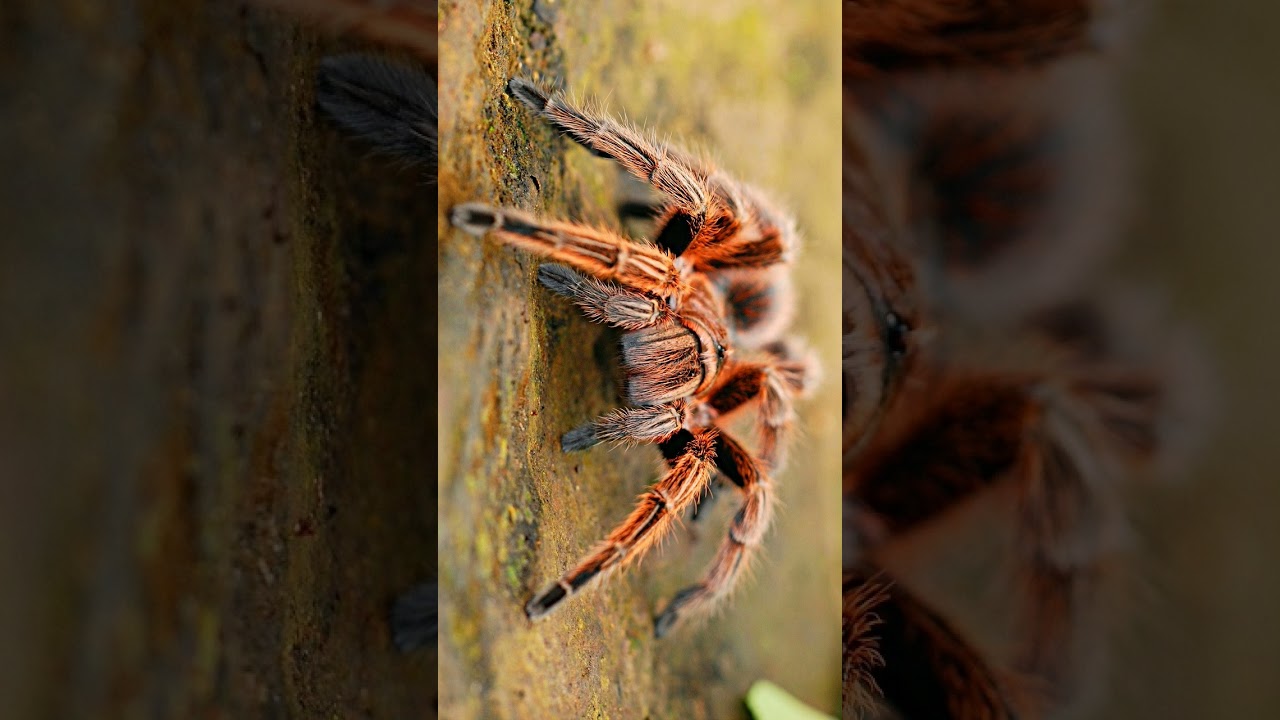
Theraphosidae (1076), 166 - Tarantulas
Theridiidae (2519), 124 - Cobweb Weavers
Theridiosomatidae (144), 22 - Ray Orbweavers
Thomisidae (2133), 171 - Crab Spiders
Titanoecidae (57), 5 - Titanoecid Spiders
Toxopidae (81), 14
Trachelidae (269), 20
Trachycosmidae (148), 20
Trechaleidae (133), 17 - Trechaleid Spiders
Trochanteriidae (52), 6 - Trochanteriid Spiders
Trogloraptoridae (1), 1
Udubidae (51), 4
Uloboridae (278), 19 - Hackled Orbweavers
Viridasiidae (14), 3
Xenoctenidae (32), 4
Zodariidae (1274), 90 - Zodariid Spiders
Zoropsidae (180), 27 - Zoropsid Spiders
___
• Tarantulas - Family Theraphosidae (1076) Generally large spiders found in southwestern United States, Mexico & tropical America. Are hairy & generally large spiders. Many New World species have setae known as urticating hairs that can cause irritation to skin & in extreme cases cause damage to eyes. Can be confused with trapdoor spiders, funnel-web spiders & purseweb spiders; also Lycosidae family.
Characteristics
○ First hairs in Americas most tarantulas have urticating hairs, (Genus Hemirrhagus) lack these. Hairs are usually more noticeable than with most other spiders.
○ Size, tend to be bigger but this is again not a failproof way.
○ They also do not use their webs for hunting instead using them as building material or tripwire.
○ Fangs, face downwards as opposed to those of True Spiders which face each other, allowing them to make pincerlike motions.
○ Two book lungs as opposed to True Spiders which only have one.
○ Their lifespan is also longer than most spiders.
Behaviour may vary, many make burrows in soil & feed mainly at night on insects & occasionally small frogs, toads & mice.
They are generally harmless to humans although they can inflict painful bites if provoked. They are often kept as pets.
Largest species are found in South America. Goliath Bird-Eating Spider (Theraphosa leblondi) or (Theraphosa blondi) has a body length up to 7.5 cm

Информация по комментариям в разработке