"Canoo Bankruptcy: What Led to the EV Startup's Collapse? Full Story Inside"
---
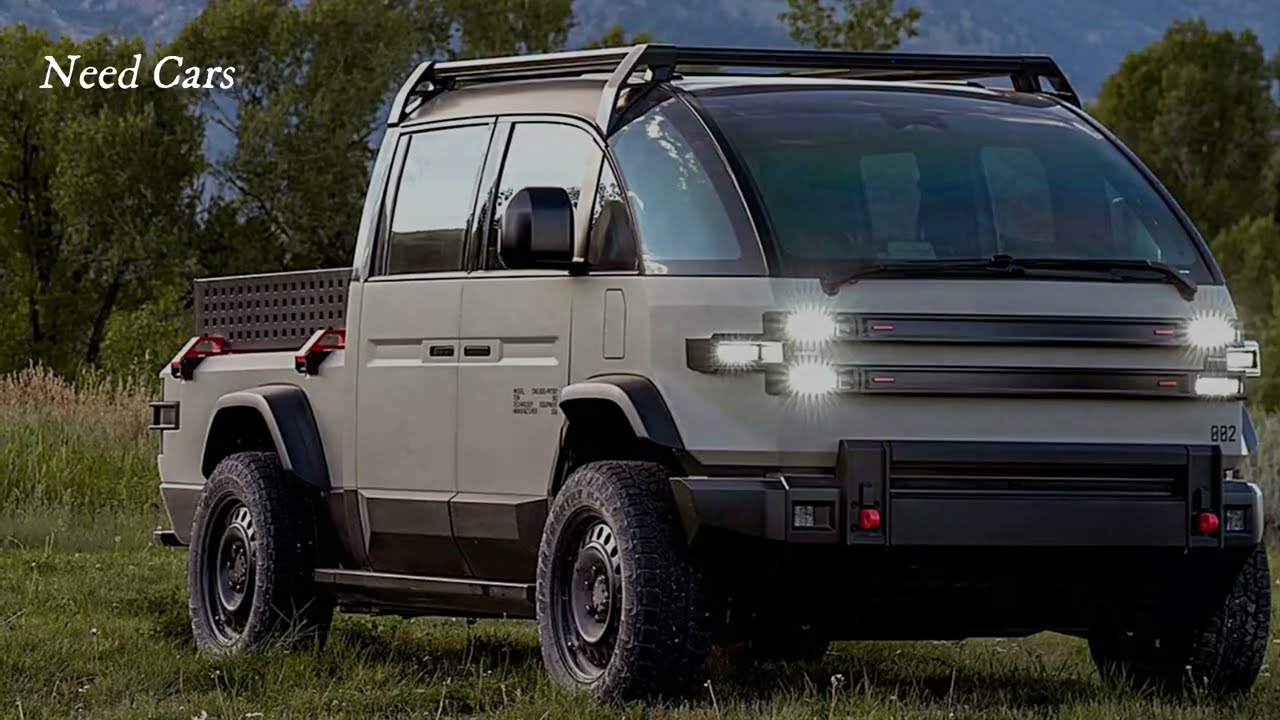
Canoo, the electric vehicle startup that once promised revolutionary designs and innovative approaches, has officially filed for Chapter 7 bankruptcy. The announcement, made late Friday, marks the end of a tumultuous journey that began in 2017 when the company was initially founded as Evelozcity. By 2019, the rebranded Canoo had unveiled its "Lifestyle Vehicle," capturing the imagination of the EV market. However, like many startups in the EV sector, Canoo faced an uphill battle against financial instability.
The financial troubles for Canoo were no secret. By 2022, the company had generated zero revenue, and in 2023, it managed only about $900,000. A third of this income came from a sale of three electric vans to the state of Oklahoma. Despite these modest earnings, Canoo amassed over $900 million in losses from 2022 through mid-2024. The breakdown reveals $488 million lost in 2022, $303 million in 2023, and another $118 million in the first half of 2024.
In its bankruptcy filing, Canoo disclosed that it owed debts to fewer than 49 creditors, with liabilities between $10 million and $50 million, and claimed to have less than $50,000 in assets. This dire financial state led to the decision to cease operations and liquidate its remaining assets under the supervision of a court-appointed trustee.
Canoo's struggles were exacerbated by unsuccessful attempts to secure financial aid. The company had hoped for a lifeline from the U.S. Department of Energy’s loan program, but those efforts did not bear fruit. Even attempts to attract international capital proved futile. Despite partnerships with high-profile entities like Walmart and delivering vehicles to prestigious organizations such as NASA and the U.S. Department of Defense, Canoo could not overcome its financial woes.
The closure of Canoo’s Oklahoma facility, which had never produced a single vehicle, was a clear indicator of the company's dire situation. The plant, which was supposed to create 2,000 jobs, symbolized unfulfilled promises and unmet expectations. The company's failure to deliver on its ambitious goals left many, including employees and state officials, disappointed.
Tony Aquila, Canoo’s Chairman and CEO, expressed his gratitude to the employees in a final statement, acknowledging their hard work and dedication despite the unfortunate outcome. For customers who had placed $100 deposits for future vehicles, the company has reportedly begun issuing refunds, though the future of these deposits remains somewhat unclear.
One of the more complex issues is the fate of the $1 million investment from Oklahoma, part of a larger $100 million performance-based incentive package. As of the latest reports, there has been no official word on how this situation will be resolved.
Canoo’s downfall is a stark reminder of the challenges facing EV startups, which often struggle with high cash burn rates and intense competition. As the company now heads towards liquidation, the lessons from its rise and fall will likely serve as a cautionary tale for other players in the burgeoning EV industry.
---
Canoo bankruptcy, EV startup collapse, electric vehicle industry, Chapter 7 bankruptcy Canoo, Canoo Lifestyle Vehicle, electric vehicle startups, EV market struggles, Canoo financial troubles, Canoo liquidation, Tony Aquila Canoo, Canoo Walmart partnership, U.S. Department of Energy EV loan, Canoo Oklahoma facility, EV industry news, electric van sale, Canoo EV customers, Canoo investor losses, EV innovation challenges, high-profile EV failures, Canoo bankruptcy announcement, Canoo financial history
Canoo Bankruptcy: What Led to the EV Startup's Collapse? Full Story Inside
#CanooBankruptcy #EVStartupFailure #ElectricVehicleNews

Информация по комментариям в разработке