🔗 Get the FREE $50 Food Plan Guide (build a 90-day food supply on a tight budget): https://zachofalltrades.io/freeplan/
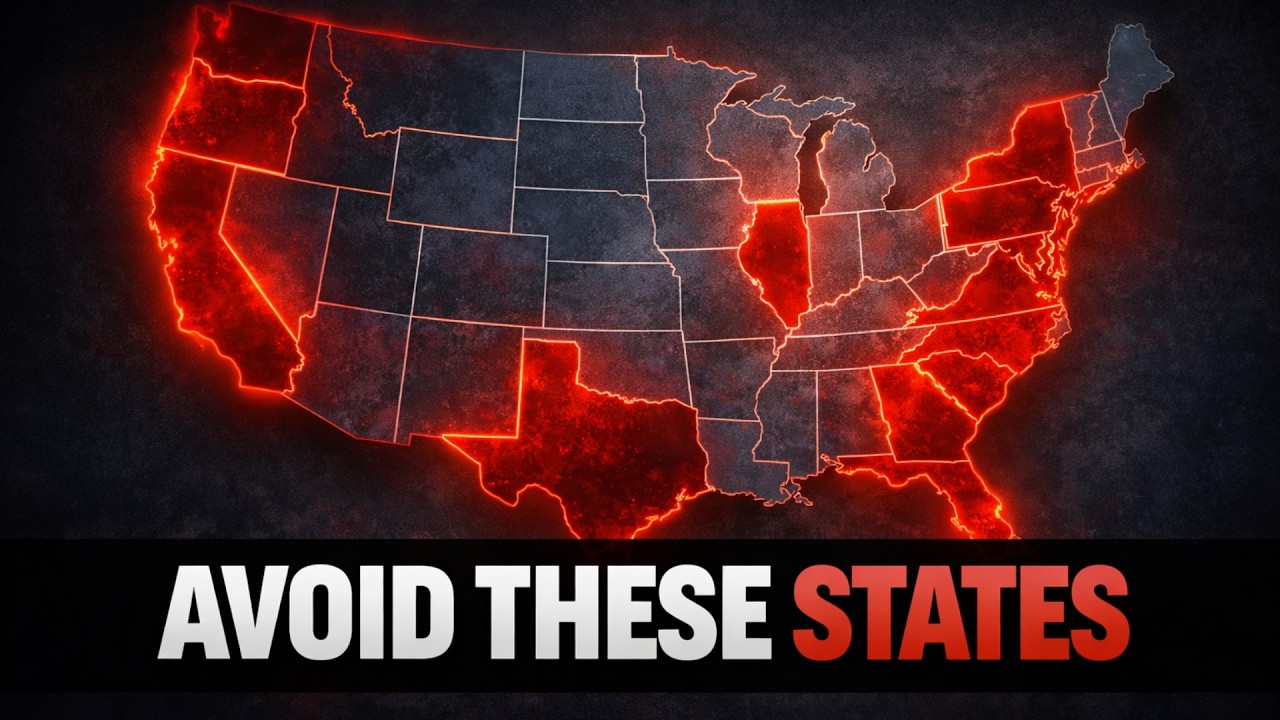
Off-grid living sounds like the ultimate freedom, but in some US states, it's nearly impossible. Strict building codes, mandatory utility connections, rainwater collection restrictions, and sky-high land costs can turn the off-grid dream into a legal nightmare before you even break ground.
In this video, we break down the 10 worst US states for off-grid living and explain exactly what makes each one so difficult.
From Rhode Island's 300-foot power line rule to Arizona's solar panel fees, Florida's HOA restrictions, and Maryland's Chesapeake Bay watershed regulations. these are the real obstacles no one warns you about before you buy land.
Whether you're planning a move to start homesteading, researching land for a future off-grid property, or just trying to understand which states have the most restrictive off-grid laws, this guide gives you the facts you need to make an informed decision.
States covered: Rhode Island, New Jersey, Connecticut, California, Florida, Hawaii, Illinois, Arizona, Massachusetts, and Maryland.
We also discuss why county-level research matters more than state-level generalizations, how building codes and zoning laws vary within the same state, and what you can do to build real preparedness and self-sufficiency no matter where you live — even in an apartment.
If you found this helpful, drop a comment with your state and your biggest off-grid challenge. Subscribe for weekly practical preparedness content — no hype, no fear, just real information.
—
AFFILIATE DISCLOSURE: Some links in this description may be affiliate links. If you purchase through these links, I may earn a small commission at no additional cost to you. I only recommend products and resources I personally use and trust.
DISCLAIMER: The information in this video is for educational and informational purposes only. It does not constitute legal, financial, or professional advice. Off-grid laws vary by state, county, and municipality and are subject to change. Always consult with local authorities, a licensed attorney, or a qualified professional before making land purchases or building decisions. Results and experiences may vary.













Информация по комментариям в разработке