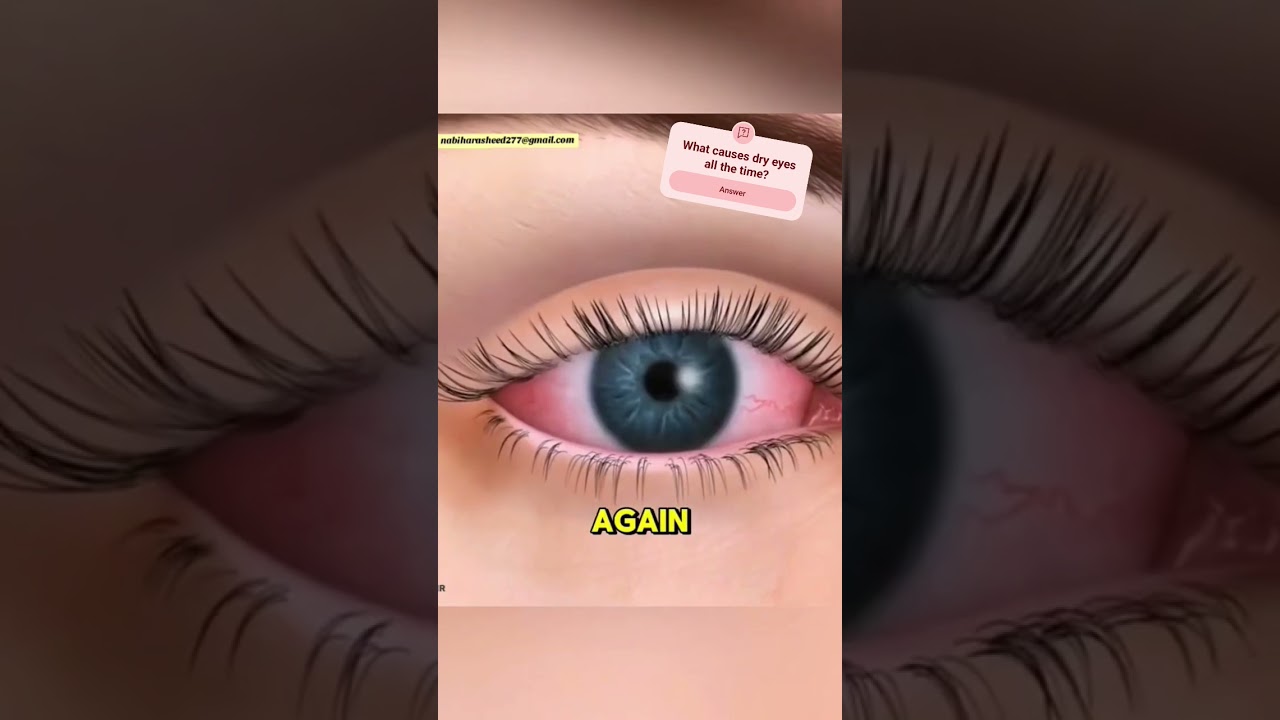
Dry eyes, also known as dry eye syndrome or keratoconjunctivitis sicca, occur when the eyes don't produce enough tears or the tears evaporate too quickly, leading to discomfort and potential vision problems. Symptoms include a gritty or painful feeling in the eyes, excessive tearing, blurred vision, and sensitivity to light. Several factors can contribute to dry eyes, including age, environment, medications, and underlying medical conditions.
Causes of Dry Eyes:
Decreased tear production:
This can be due to aging, certain medications, or medical conditions like Sjögren's syndrome, rheumatoid arthritis, or lupus.
Increased tear evaporation:
This can be caused by environmental factors like dry air, wind, smoke, and prolonged screen time, which reduces blinking frequency.
Problems with the tear film:
The tear film has three layers: oil, water, and mucus. Issues with any of these layers can disrupt the tear film and cause dry eyes.
Medications:
Some medications, such as those for depression, allergies, blood pressure, and glaucoma, can have dry eyes as a side effect.
Environmental factors:
Exposure to smoke, wind, dry air, and air conditioning can exacerbate dry eyes.
Lifestyle factors:
Long periods of screen time, contact lens wear, and smoking can also contribute to dry eyes.
Symptoms of Dry Eyes:
A gritty, burning, or stinging sensation in the eyes.
Excessive tearing (as a reflex response to dryness).
Blurred vision.
Eye fatigue.
Sensitivity to light.
Stringy mucus in or around the eyes.
Difficulty wearing contact lenses.
Redness of the eyes.
Treatment for Dry Eyes:
Artificial tears: Over-the-counter lubricating eye drops can provide temporary relief.
Prescription eye drops: Medications like cyclosporine or corticosteroids may be prescribed for more severe cases.
Punctal plugs: These small plugs inserted into the tear ducts can help retain tears on the eye's surface.
Lifestyle changes: Avoiding smoke, wind, and dry air, taking breaks during screen time, and using a humidifier can help manage dry eyes.
Warm compresses and eyelid hygiene: Warm compresses can help unclog oil glands, and cleaning the eyelids can reduce inflammation.
Omega-3 fatty acids: Some studies suggest that omega-3 supplements can improve tear production.
Treating underlying conditions: If dry eyes are caused by an underlying condition, treating that condition can also alleviate dry eye symptoms.
Информация по комментариям в разработке