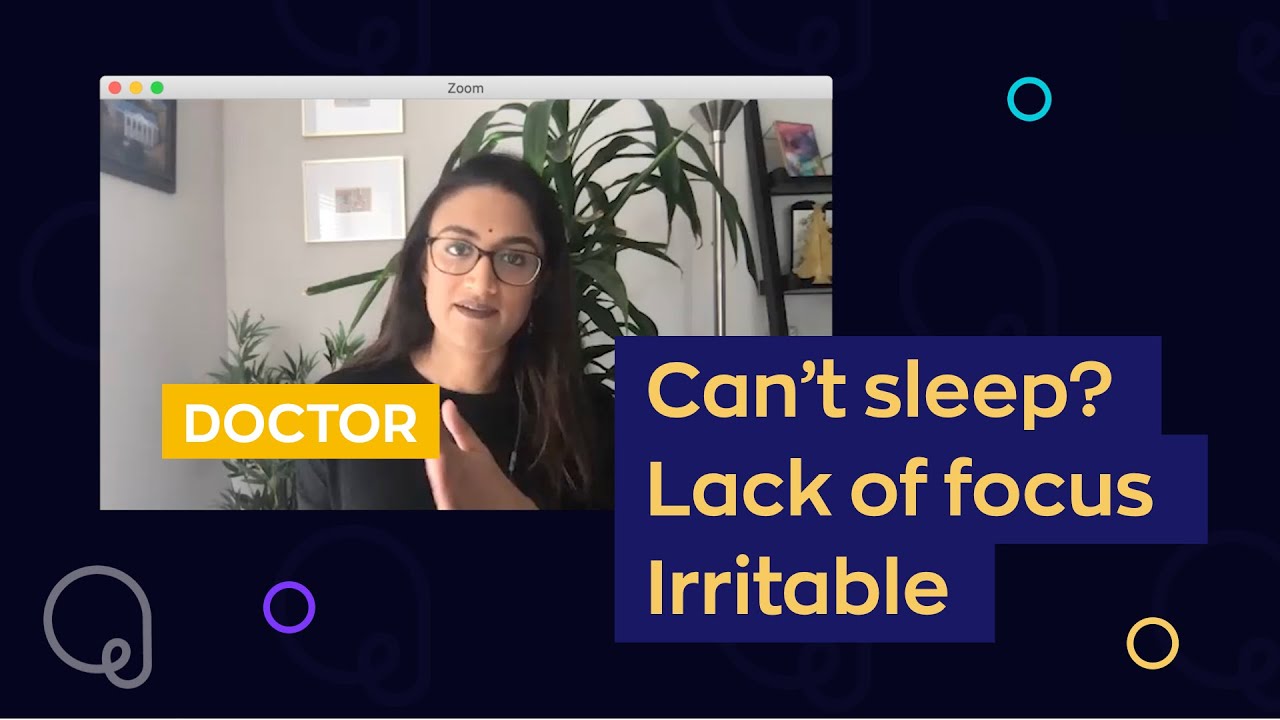
Coronavirus (COVID-19) & Collective Grief; A doctor explains how can we work through our symptoms of grief during COVID. Normally, people associate grief with the loss of a loved one, but during coronavirus, this can happy for a variety of reasons. In this video, we will help you understand because of COVID, why people are feeling grief on the collective and individual level.
SUMMARY OF THE VIDEO
The coronavirus pandemic and the associated changes we've all experienced in our day to day lives has led to all kinds of loss, small and big. Loss of routine, loss of loved ones, loss of structure, loss of shelter or food, loss of sense of self, loss of coping mechanisms, and beyond.
With any kind of loss, comes a period of grief. There is the collective grief that the world is experiencing as we move through this uncertain time, and face certain similar challenges. There is also the grief we face individually as we face the losses and the fear of potential loss in our own lives.
Grief typically has 5 stages, Denial, Anger, Bargaining, Depression, and Acceptance. These stages are associated with different emotions and experiences, anger, irritability, sadness, anxiety, fear, desperation, and can lead to different behaviours, isolating, lashing out, crying, as well as existential questions about life itself. These feelings and behaviours can then lead to self-judgement.
The range of feelings one experience during grief is vast, and can be confusing especially if you don't realize that you are grieving something! What people often want while grieving is a sense of security to counteract the loss and uncertainty.
Grief, therefore, responds well to non-judgement and compassion, for self and others. Encourage yourself and talk to yourself to talk to yourself the way you would ideally talk to a child or a loved one, in other words in a way that is full of compassion. Also engage in self-compassion, which comes from honouring our emotions and experiences, and honouring ourselves.
To honour your experience, listen to what you need. These are unusual times, if you need a nap one day, do it, even if it's out of the norm. If you need to cry, that's ok. If you catch yourself being judgemental of yourself, stop and try changing the tone and language.
To honour yourself, do things that make you feel closer to your authentic self, that help you "feel like you" or feel more in touch with yourself, that could be meditation (reducing anxiety, and increasing centeredness), journaling, playing music, exercise, cooking etc. At the end of the day, to deal with grief and loss, we have to do things that show us that in spite of what it may feel like we still have ourselves.
DR. GOWRI ARAGAM BIO:
Dr. Aragam is an adult psychiatrist on faculty at Mass General Hospital and Harvard Medical School, and visiting faculty at the Stanford University School of Medicine where she is the co-founder and chief clinical officer of Stanford Brainstorm Labs, the first academic lab for mental health innovation, where her team recently developed and taught the first university-wide course on interdisciplinary mental health innovation, Dr. Aragam's work focuses around the clinical translation, and how to more effectively incorporate the user perspective when designing products and programs for mental health. She completed her residency in psychiatry at MGH/McLean in Boston.
Connect with Dr. Aragam: / gowri-aragam-8a583016
LET'S CONNECT:
Linkedin: / 42722258
Instagram: / qwel.co
And make sure to subscribe to our channel!
DISCLAIMER: These videos are general recommendations and advice. These are not specific to any individual and if you're having any immediate issues you should seek professional help immediately.

Информация по комментариям в разработке