#gemstone #blue #bluesapphire #sapphire #kashmirsapphire
#bluegem #ruby #pink #purple #padparadscha #padparadschasapphire #usa #uk #china #hongkong #sold #stone #engagement #gift #jewellery #jewels #jewelry #bling #diamond #royal #royalbluesapphire #royalblue
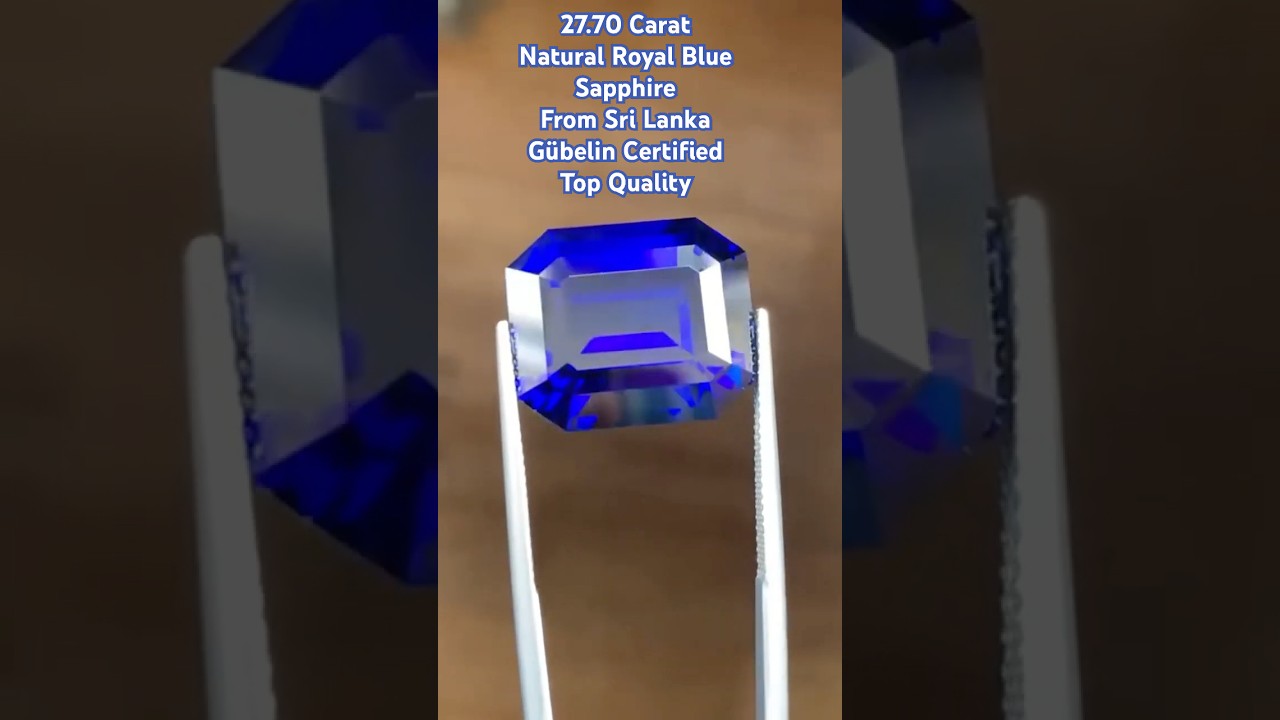
BLUE SAPPHIRE
Blue sapphire is a type of gemstone that is mostly blue in color. It is a popular choice for jewelry and has been used in royalty for centuries. The name sapphire comes from the Greek word "sappheiros," meaning blue.
Sapphires are typically found in shades of blue, but can also be found in other colors such as yellow, green, white and sometimes pink sapphires.
BLUE SAPPHIRE VALUE
When estimating the value of Natural blue sapphire, color is the most important element. While hue does count, the closer to a pure blue the better, so saturation is more important. The highest quality sapphires have vivid saturation. Tone is also an important consideration. Dark sapphires are too common and don’t reach high values.
While blue sapphire is found in a variety of locations around the world, the finest quality stones come from Sri Lanka and Kashmir. These stones are typically very small, which also contributes to their high price tag.
In addition to being rare and beautiful, blue sapphire is also one of the hardest gems, making it perfect for use in jewelry that will be worn daily. If you're looking for a truly unique and special piece of jewelry, blue sapphire is an excellent choice especially for an engagement rings after the popularity from the Princess Diana Ring.
Generally, inclusions lower the price of a sapphires gemstones in the gem industry. If the inclusion jeopardizes the solidity of the gemstone, the price drops significantly. However, sometimes inclusions can increase the value of certain sapphires. Many of the most precious Kashmir sapphires contain tiny inclusions that create a velvety appearance. These inclusions scatter light, creating coveted visual effects without compromising the clarity of the gemstone.
BLUE SAPPHIRE PROPERTIES
Sapphires usually contain some inclusions, but are usually higher clarity than rubies. Blue sapphires of exceptional clarity are rare and invaluable. There are several types of inclusions in sapphire. Among them, the elongated mineral inclusions are called needles. When needles are rutile minerals and intersect in groups, they are called filaments. Sapphire clarity is also characterized by crystals, fingerprint inclusions, color gamut, and color bands.
In addition to their rich color, blue sapphire gemstone often have a star-like asterism. This is caused by rutile needle inclusions that reflect light to create a six-rayed star. Blue sapphires are also very hard, rating a 9 on the Mohs scale of hardness. This makes them ideal for use in jewelry as they are resistant to scratching.
#ruby #france #london #newyork #engagement #gift #mensrings #silver #silverring #jewellery
BLUE SAPPHIRE COLORS
Sapphire is corundum with a dominant blue gems hue, often with violet or green hues. The industry divides the color of sapphire into the following grades according to the three elements of color (hue, saturation, lightness)
"Royal Blue" - is a true blue or purplish-tinged blue that is one of highest ratings for sapphire color and is part of Vivid Blue and Deep Blue Sapphire. A Vivid Blue or Deep Blue whose saturation and lightness meet certain criteria can achieve a "Royal Blue" rating.
"Cornflower Blue" - is a blue with a purplish tinge that gives a hazy velvety unique texture, named for its resemblance to the blue of the German national flower cornflower, belonging to Vivid Blue and Intense Blue part.
This visual effect is caused by light scattering through the gemstone when the gemstone contains finely divided grains, short needle-like inclusions or growth lines. Cornflower sapphires were first produced in Kashmir, India. Like "Royal Blue", "Cornflower Blue" is not restricted to origin, and each origin may yield a sapphire with "Cornflower Blue".
BLUE SAPPHIRE CARE
Whether you’re wearing your blue sapphire jewelry every day or only for special occasions, it’s important to clean it regularly. Here are a few tips on how to clean your blue sapphire jewelry or Blue sapphire ring at home:
Soap and water is always a safe bet when it comes to cleaning jewelry. Simply mix a bowl of warm water with a drop of mild dish soap and let your jewelry soak for a few minutes. Use a soft-bristled brush to gently scrub away any dirt or grime. Rinse well and dry with a soft cloth.
If your blue sapphire jewelry is especially dirty, you can make a paste out of baking soda and water. Gently rub the paste onto the surface of the jewelry with a soft cloth, then rinse well and dry.











Информация по комментариям в разработке