🏰 Baconsthorpe Castle is not what it seems.
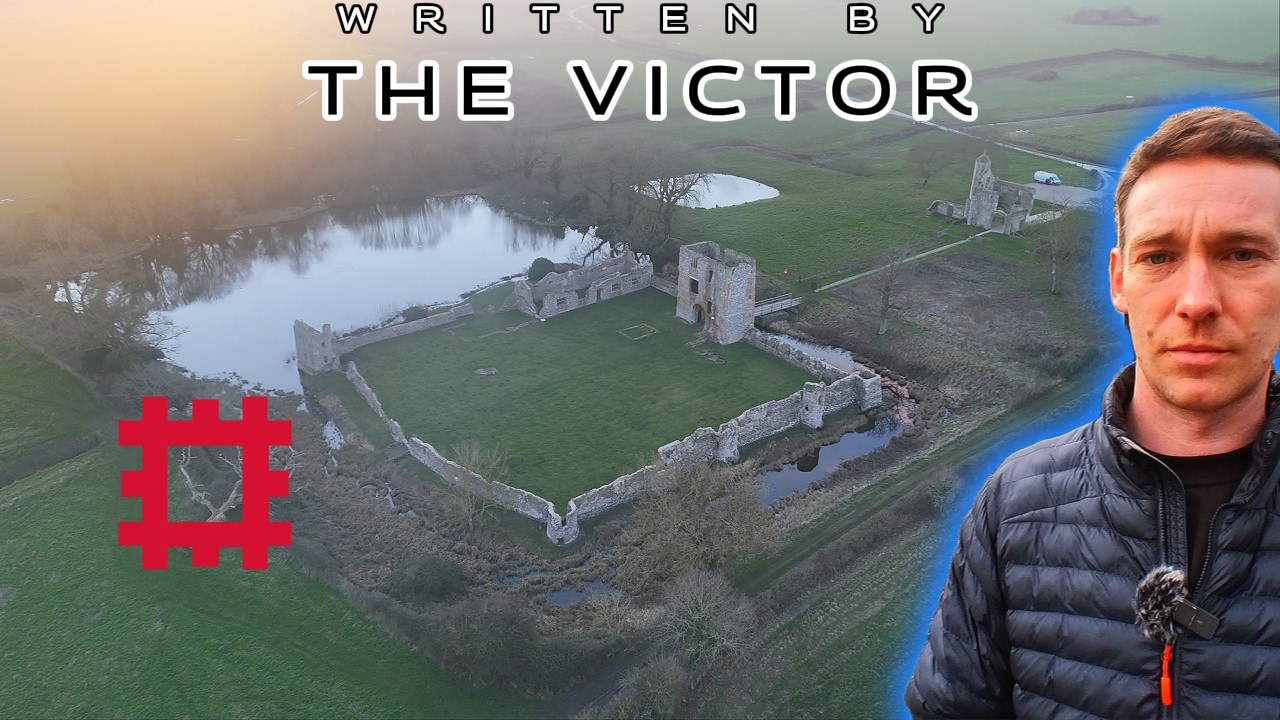
Hidden in the quiet countryside of Norfolk, this striking ruin of flint and brick was never designed to withstand a royal siege. Instead, it was a bold display of wealth — a 15th-century manor house disguised as a fortress. A symbol of ambition. A statement of power. And ultimately, a monument to financial ruin.
In this full history documentary, we uncover the dramatic rise and fall of the Heydon family, the “new money” lawyers and wool merchants who built Baconsthorpe Castle as a statement of status — only to see it collapse under the weight of debt, war, and harsh East Anglian winters.
🏗️ A Castle Built for Prestige, Not War
Construction began in 1446 under John Heydon I, who wanted the prestige of battlements, towers, and a moat — without the true military function of a defensive stronghold.
Unlike the thick sandstone fortifications of northern castles, Baconsthorpe was built largely from flint rubble and brick — beautiful, but fragile against artillery.
Though technically a fortified manor house, it did include:
🔹 A vast inner gatehouse with vaulted ceilings and private chapel
🔹 An octagonal flint tower (once matched by a second tower lost in the 1920s)
🔹 A drawbridge and defensive moat
🔹 Gun slits and water defences
🔹 A well and fishpond for self-sufficiency
🔹 A great hall, kitchens, bakery, brewhouse and servant quarters
In the 15th century, architecture was reputation. Your house was your résumé. By adding battlements and towers, the Heydons signalled that they belonged among England’s warrior elite — even if their true weapons were legal documents and trade contracts.
⚔️ The English Civil War Mystery
Given its appearance, you might expect Baconsthorpe Castle to feature prominently in the English Civil War.
Yet while fortresses like Beeston were besieged and dismantled, Baconsthorpe remained untouched.
Why?
Despite its owner, Sir John Heydon III, being a Royalist officer, the castle was never garrisoned. Sitting deep within Parliamentarian Norfolk — under the powerful Eastern Association — it posed little strategic threat. Its walls, largely symbolic, would have fallen quickly to artillery.
Ironically, what saved Baconsthorpe from destruction was its military insignificance.
💰 Debt, Decline & Cromwell’s Seizure
The Heydons lived beyond their means for generations. Maintaining such a sprawling complex required enormous wealth — especially in a building constructed of “cold” flint stone, which offered almost no insulation against the bitter North Sea winds.
Heating the vast rooms would have required literal tons of fuel each winter.
By 1646, Oliver Cromwell declared John Heydon a delinquent for his Royalist allegiance, seizing his lands and further crippling the family finances.
With debts mounting, the Heydons began dismantling their own home — stripping lead, timber and stone to sell for survival. The great house was abandoned, and the family retreated to the smaller gatehouse.
Baconsthorpe was not destroyed by cannon fire.
It was dismantled by its owners.
🕯️ Tudor Prestige vs Reality
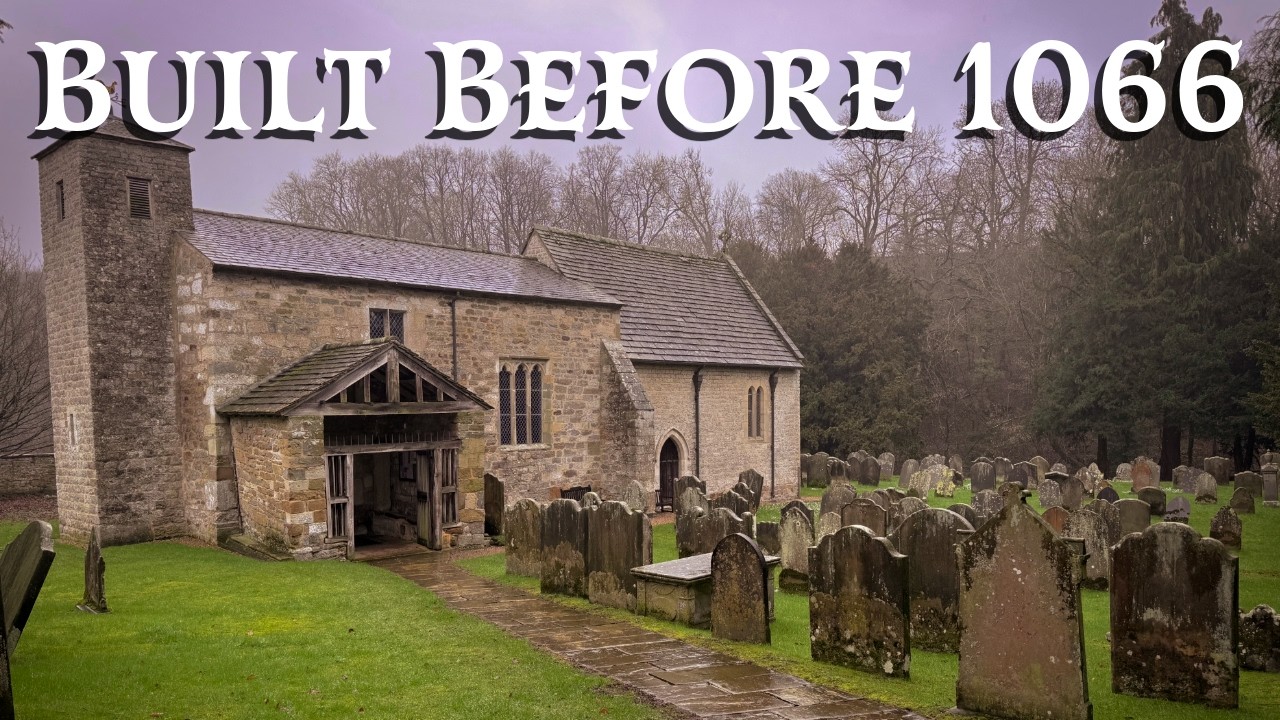
Nearby in St Mary’s Church, elaborate tomb monuments portray the Heydons as serene and powerful — a masterclass in Tudor image management.
But by the time those monuments were completed, the castle itself was already hollowed out.
The contrast is striking:
Stone effigies of wealth and permanence —
A real fortress collapsing from damp, cold, and debt.
🌫️ A Monument to the Fragility of Power
Today, Baconsthorpe Castle stands as one of England’s most atmospheric ruins. Not a battlefield casualty. Not a victim of siege. But a reminder that status built on unstable foundations rarely lasts.
It is a “castle” that was really a house.
A house that became a burden.
And a legacy shaped more by ambition than warfare.
📍 Baconsthorpe Castle, Norfolk
🏛️ Managed by English Heritage
If you enjoy British medieval history, Tudor England, Civil War stories, architectural history, and atmospheric historic ruins — this documentary is for you.
🔎 Related Search Terms
Baconsthorpe Castle history
Norfolk castles documentary
Heydon family Tudor history
English Civil War Norfolk
Fortified manor house England
Oliver Cromwell land seizure
Medieval moated manor
English Heritage Norfolk sites
📌 Hashtags
#BaconsthorpeCastle
#NorfolkHistory
#EnglishCivilWar
#TudorHistory
#BritishHistory
#MedievalArchitecture
#EnglishHeritage
#HistoryDocumentary







Информация по комментариям в разработке