The Dawn of Metal: From Stone to Copper
The story begins in the Chalcolithic period, a time when people primarily used tools made of stone. The first step toward a new age was the discovery of native copper, a soft metal that could be cold-hammered into decorative objects like pins and jewelry. This was a quiet revolution, more about aesthetics and status than practicality. The true breakthrough, however, was the accidental discovery of smelting. Through a simple, well-stoked campfire, people realized that certain rocks, known as copper ore, could be heated to melt and produce liquid metal, a process that felt like magic.
The Bronze Revolution: From Copper to Alloy
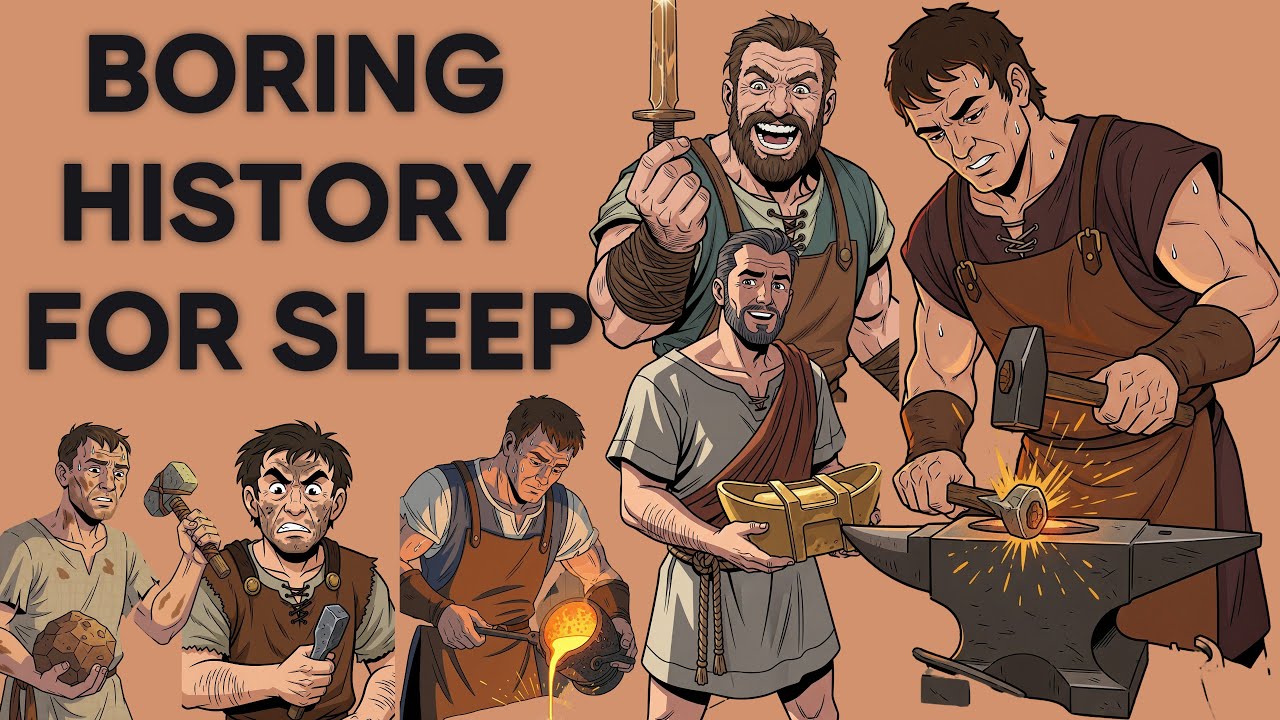
This discovery led to the era of pure copper tools, which, while interesting, were still too soft for heavy-duty tasks. The search for better materials led people to a new and dangerous job: mining for ores. This labor was backbreaking and often took place in small, dark tunnels. The ore was then smelted in simple clay-lined pits using charcoal, a specialized fuel that burned hot and clean. But the true game-changer was the accidental alloy of copper and tin. This combination created bronze, a metal that was significantly harder, stronger, and more durable than pure copper. The search for tin, a rare and elusive ore, became a major driver of trade and exploration, as different regions of the world had to connect to get both metals.
The Social Impact: Kings, Commerce, and Collapse
The mastery of bronze-making transformed society. The lost-wax casting method and simpler open-mold casting allowed for the creation of intricate art and everyday tools, respectively. The bronze dagger became a status symbol, but the development of the bronze sword changed the nature of warfare and led to the rise of warrior kings. This new technology created a vast social hierarchy and an interconnected, global bronze trade, with specialized ships carrying ingots of metal across continents.
However, this glorious age came to a mysterious and dramatic end, known as the Bronze Age Collapse. Around the 12th century BCE, a series of disasters—possibly including climate change, invasions by the "Sea Peoples," or the disruption of trade routes—brought down powerful civilizations. This created a vacuum that was filled by a new, more common metal: iron. Initially seen as inferior to bronze, iron was much more abundant and democratized metalworking, as its ore was found almost everywhere. The skills of the Bronze Age smiths were passed down, and bronze found new life in specialized uses like bells and statues, leaving a lasting legacy that still echoes in our modern world.

Информация по комментариям в разработке