The Role of Bureaucracy in Pakistan | Power, Politics & Public Service
Bureaucracy is often referred to as the backbone of a state, and in the case of Pakistan, its influence has been both significant and controversial. From policymaking to implementation, the bureaucratic machinery plays a central role in the functioning of government at all levels. But what exactly is the role of bureaucracy in Pakistan? And how has it shaped – and sometimes distorted – the country’s governance structure?
1. Historical Background
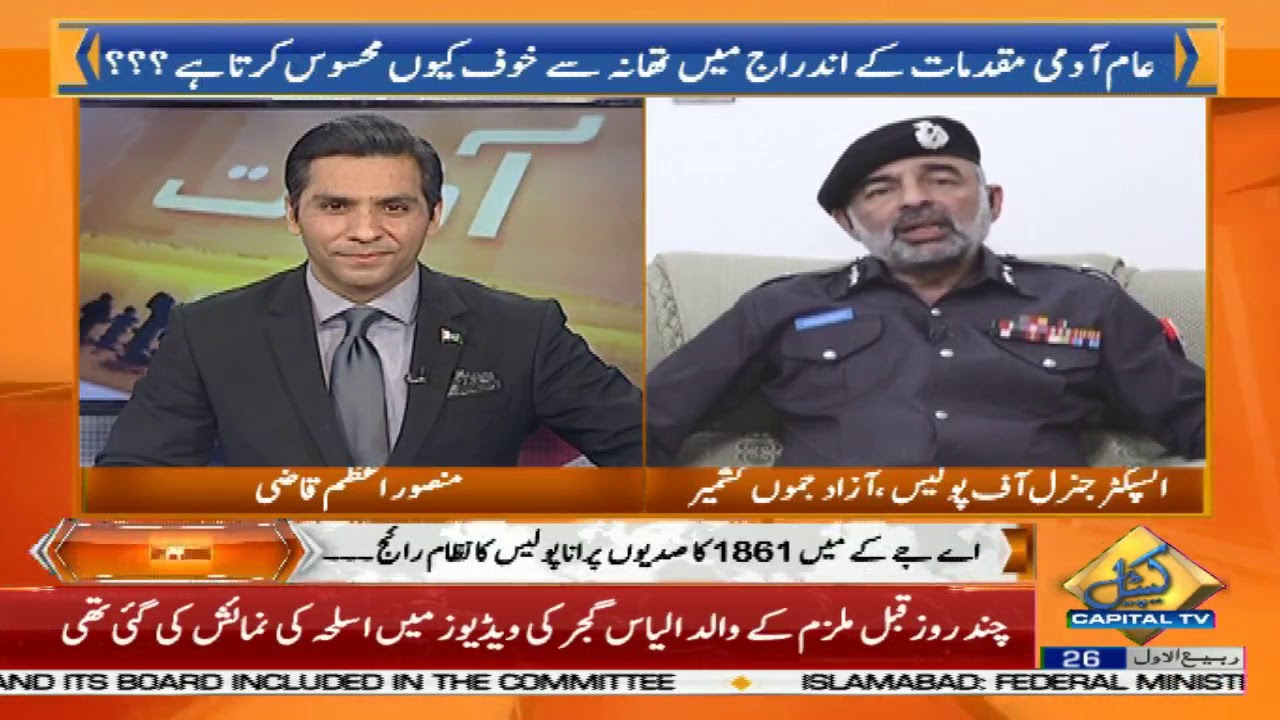
The Pakistani bureaucracy inherited the colonial administrative structure from British India. The Indian Civil Service (ICS) transformed into the Civil Services of Pakistan (CSP) after independence. It was originally designed to maintain law and order, collect revenue, and enforce policies. Over time, it became deeply embedded in the governance framework of the country.
2. Power and Structure
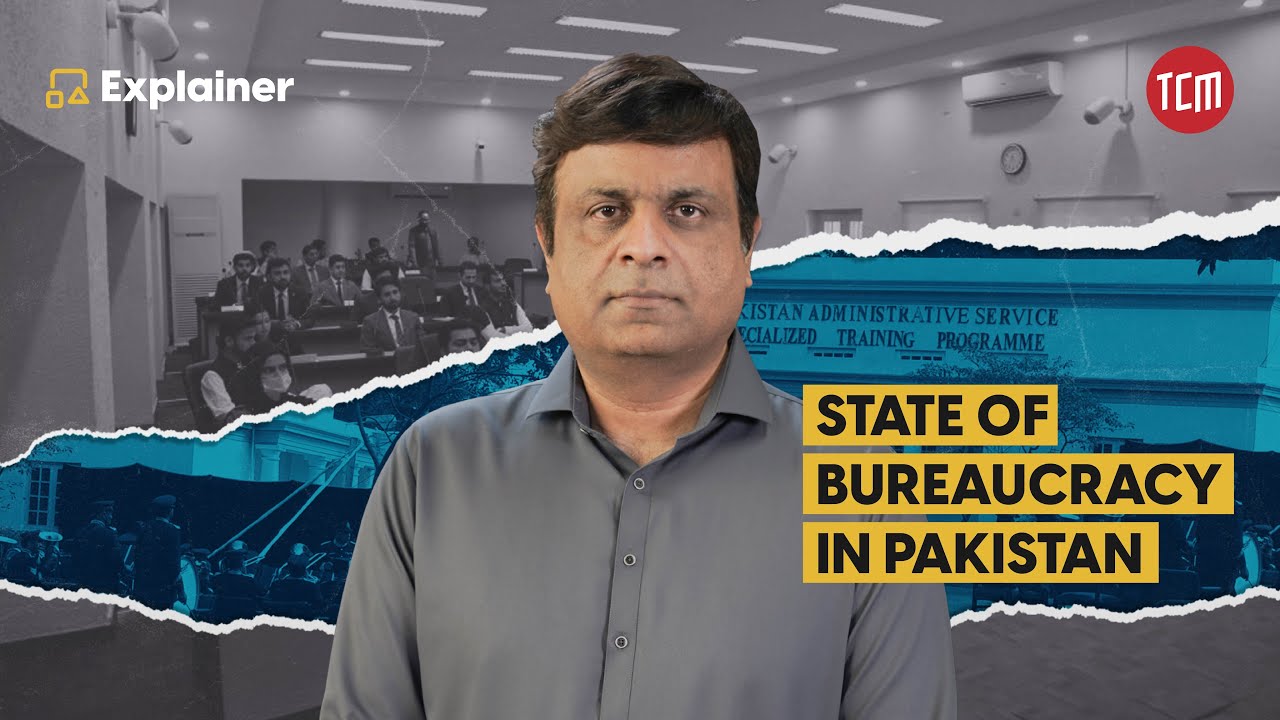
Pakistan’s bureaucracy is structured into various cadres and groups, including the Pakistan Administrative Service (PAS), Police Service, Foreign Service, and others. Senior bureaucrats often hold key positions such as Commissioners, Secretaries, and Chief Secretaries, exercising significant influence over provincial and federal matters.
However, this centralization of power has led to criticism. Bureaucrats are often accused of being unaccountable, overly powerful, and resistant to reform. Their control over files, procedures, and approvals allows them to influence political decisions — sometimes more than elected representatives.
3. Relationship with Politics
One of the most contentious aspects of Pakistan's bureaucracy is its close and often problematic relationship with politicians. During military regimes, bureaucrats were empowered to bypass elected officials. Under civilian governments, they’ve often served as tools for political patronage.
Transfers and postings are frequently politicized, undermining meritocracy and encouraging a culture of loyalty to individuals rather than institutions.
4. Public Service vs. Red Tape
While the purpose of bureaucracy is to serve the public, many citizens experience it as a slow, inefficient, and corrupt system. Red tape, delays, and lack of transparency have become synonymous with the public sector. Bribery and misuse of power further erode trust.
However, there are also numerous examples of honest, hardworking civil servants making a real difference — from reforming education to improving local governance. These stories, though less highlighted, show the potential of the system when integrity and accountability are prioritized.
5. Need for Reform
Pakistan has repeatedly attempted to reform its civil services, with limited success. Genuine reform requires:
Merit-based recruitment and promotion
Performance evaluation systems
Depoliticization of appointments
Training and modernization
Accountability mechanisms
Unless these structural changes are implemented, bureaucracy will continue to serve power rather than the people.
Conclusion
The bureaucracy in Pakistan wields tremendous power — sometimes for the good, often for self-preservation. For true democracy and good governance to flourish, the civil service must be transformed from a power structure into a service structure. Transparency, accountability, and meritocracy should become the pillars of a new era in public administration.


















Информация по комментариям в разработке