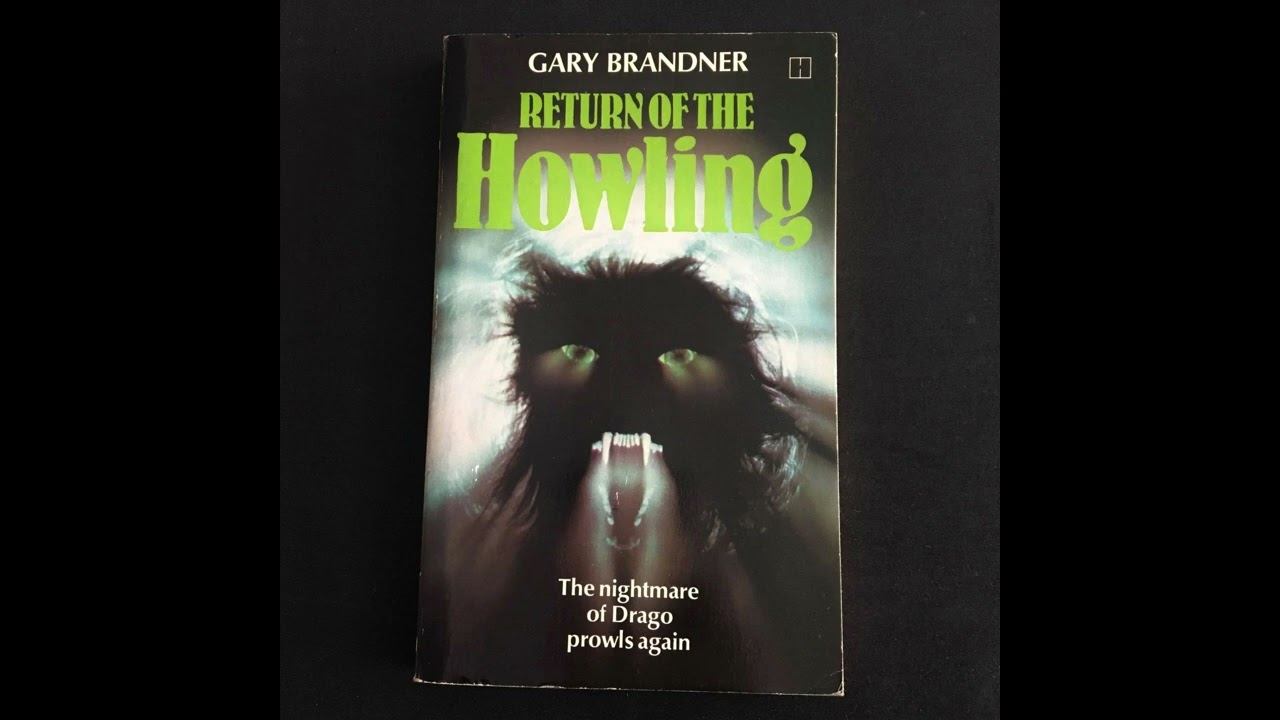
The Howling by Gary Brandner is a compelling exploration of primal fear and human vulnerability. Set against the eerie backdrop of the small, secluded town of Drago, the novel masterfully combines the elements of horror and psychological tension. The story follows Karyn and Roy Beatty, a married couple seeking a fresh start after Karyn experiences a traumatic assault. Their relocation to Drago, meant to be a reprieve from their troubles, quickly turns into a descent into terror as the town’s dark secrets surface.Brandner’s narrative deftly examines the fragility of human relationships and the impact of suppressed truths. Karyn and Roy’s marriage is depicted with an undercurrent of strain, reflective of their inability to fully confront the lingering effects of Karyn’s trauma. Roy’s growing detachment and eventual infidelity underline the disintegration of their bond, adding a layer of emotional complexity to the story. This tension mirrors the overarching theme of concealed danger, as Drago’s serene exterior masks the lurking threat of its inhabitants.The novel’s horror is rooted in its skillful use of suspense and atmosphere. Brandner crafts Drago as an unsettlingly quiet and isolated town, where the absence of modernity amplifies a sense of unease. The woods surrounding the town serve as both a physical and symbolic representation of untamed, ancient fears. The howls that punctuate the night are not just harbingers of danger but reminders of the primal instincts that lie dormant within all creatures, including humans. Brandner’s vivid descriptions immerse readers in an environment where every shadow seems alive, and every rustle could signal the approach of something sinister.Central to the novel is the exploration of transformation, both literal and metaphorical. The werewolves, emblematic of the monstrous within, serve as a chilling metaphor for the duality of human nature. Their existence blurs the line between civilization and savagery, suggesting that the veneer of humanity can easily be stripped away under the right circumstances. This theme is reinforced by the residents of Drago, who have embraced their animalistic sides, shedding societal norms to revel in their predatory instincts.Karyn’s character arc is particularly compelling as she transitions from a victim of circumstance to someone who confronts her fears head-on. Her initial vulnerability, exacerbated by her husband’s betrayal and the mounting terror in Drago, gives way to resilience. Brandner portrays her growth with subtlety, allowing her moments of strength to emerge naturally from the narrative. Her final confrontation with the werewolves, while harrowing, is also a testament to her determination to reclaim her agency.The novel’s pacing is deliberate, building tension through a gradual unveiling of the truth about Drago and its inhabitants. Brandner balances moments of quiet dread with bursts of action, ensuring that the reader remains engaged without becoming desensitized to the horror. The climactic scenes are intense and visceral, providing a satisfying resolution while leaving room for lingering unease.The Howling is not without its flaws, particularly in its portrayal of certain characters and relationships. Roy’s infidelity and his subsequent fate could be seen as lacking in nuance, reducing his character to a narrative device to heighten Karyn’s isolation. Additionally, some secondary characters, such as the enigmatic Dr. Masey, feel underdeveloped despite their potential to add depth to the story.Despite these shortcomings, The Howling remains a landmark in horror literature, notable for its atmospheric storytelling and psychological depth. Brandner’s ability to evoke fear through both supernatural elements and the darker facets of human behavior ensures that the novel resonates beyond its genre trappings. The story’s enduring appeal lies in its ability to confront readers with the uncomfortable truth that the most terrifying monsters often reside within ourselves.

Информация по комментариям в разработке