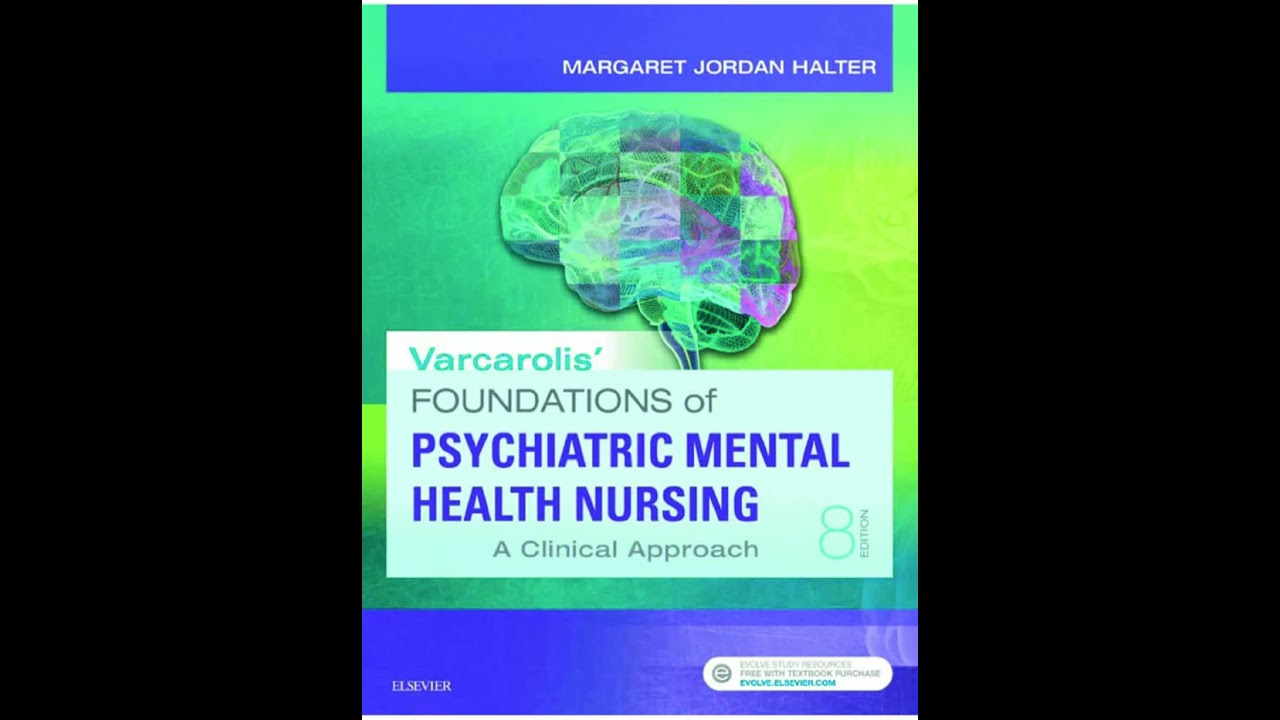
Chapter 28 of Foundations of Psychiatric Mental Health Nursing: A Clinical Approach (8th Edition) explores psychiatric-mental health care for older adults, emphasizing developmental, biological, and psychosocial challenges in aging. The chapter begins with Erikson’s stage of integrity versus despair, describing how successful aging requires acceptance of life’s accomplishments and losses. It highlights risk factors such as chronic illness, sensory impairment, bereavement, retirement, financial stress, social isolation, and institutionalization, all of which can increase vulnerability to psychiatric conditions. Common disorders include depression, anxiety, delirium, dementia (including Alzheimer’s disease and vascular dementia), and late-onset psychosis. Nurses are guided in differentiating normal age-related changes from pathological conditions, recognizing signs of suicide risk, and addressing comorbid medical-psychiatric conditions.
Assessment includes evaluating physical health, cognition, functional abilities, social supports, and coping strategies. Tools such as the Mini-Mental State Examination (MMSE) and Geriatric Depression Scale are emphasized. Treatment integrates pharmacological approaches (SSRIs, antipsychotics, cholinesterase inhibitors, memantine) with nonpharmacological interventions like reminiscence therapy, cognitive stimulation, exercise, social engagement, and caregiver support. Nursing interventions prioritize safety (e.g., fall prevention, wandering management), therapeutic communication, medication management, and caregiver education. Special considerations include polypharmacy risks, age-related pharmacokinetics, elder abuse screening, and the ethical complexities of autonomy versus safety. The chapter underscores the importance of reducing stigma, promoting resilience, and supporting dignity in late life. By integrating biological, psychological, and social perspectives, psychiatric-mental health nurses are equipped to provide evidence-based, compassionate care that enhances quality of life and supports mental health in older adults.
📘 Read full blog summaries for every chapter:
https://lastminutelecture.com
📘 Have a book recommendation? Submit your suggestion here:
https://forms.gle/y7vQQ6WHoNgKeJmh8
Thank you for being a part of our little Last Minute Lecture family!
⚠️ Disclaimer: These summaries are created for educational and entertainment purposes only. They provide transformative commentary and paraphrased overviews to help students understand key ideas from the referenced textbooks. Last Minute Lecture is not affiliated with, sponsored by, or endorsed by any textbook publisher or author. All textbook titles, names, and cover images—when shown—are used under nominative fair use solely for identification of the work being discussed. Some portions of the writing and narration are generated with AI-assisted tools to enhance accessibility and consistency. While every effort has been made to ensure accuracy, these materials are intended to supplement—not replace—official course readings, lectures, or professional study resources. Always refer to the original textbook and instructor guidance for complete and authoritative information.

Информация по комментариям в разработке