Morning Gallery,
How about starting the day with a cup of coffee and a piece of art?
John Henry Twachtman (1853-1902) was an American Impressionist painter who is best known for his atmospheric landscapes and tonalist style. He was born in Cincinnati, Ohio and studied at the Ohio Mechanics Institute before moving to New York to attend the Art Students League.
John Henry Twachtman's career path began in the mid-1870s when he moved to New York City to attend the Art Students League. After completing his studies, he began exhibiting his work at the National Academy of Design and the Society of American Artists. During this time, he was heavily influenced by the Barbizon School and the Munich School of painting.
In the 1880s, Twachtman began to experiment with the style of Impressionism, using brighter colors and more spontaneous brushwork to capture the effects of light and atmosphere in his landscapes. He became associated with the group of American Impressionist painters known as "The Ten," who held annual exhibitions of their work from 1898 to 1918.
Twachtman's work was also exhibited internationally, including at the Paris Exposition of 1900, where he won a gold medal. He taught at the Art Students League and was a member of the faculty at the Académie Julian in Paris.
Despite his success as an artist, Twachtman struggled financially throughout his career. He often relied on sales from his teaching and commercial illustration work to support himself and his family.
Twachtman's career was cut short when he died of a brain aneurysm in 1902 at the age of 49. Despite his relatively short career, he left a significant impact on American art and is remembered today as one of the foremost American Impressionist painters.
Here are five characteristics of John Henry Twachtman's artworks:
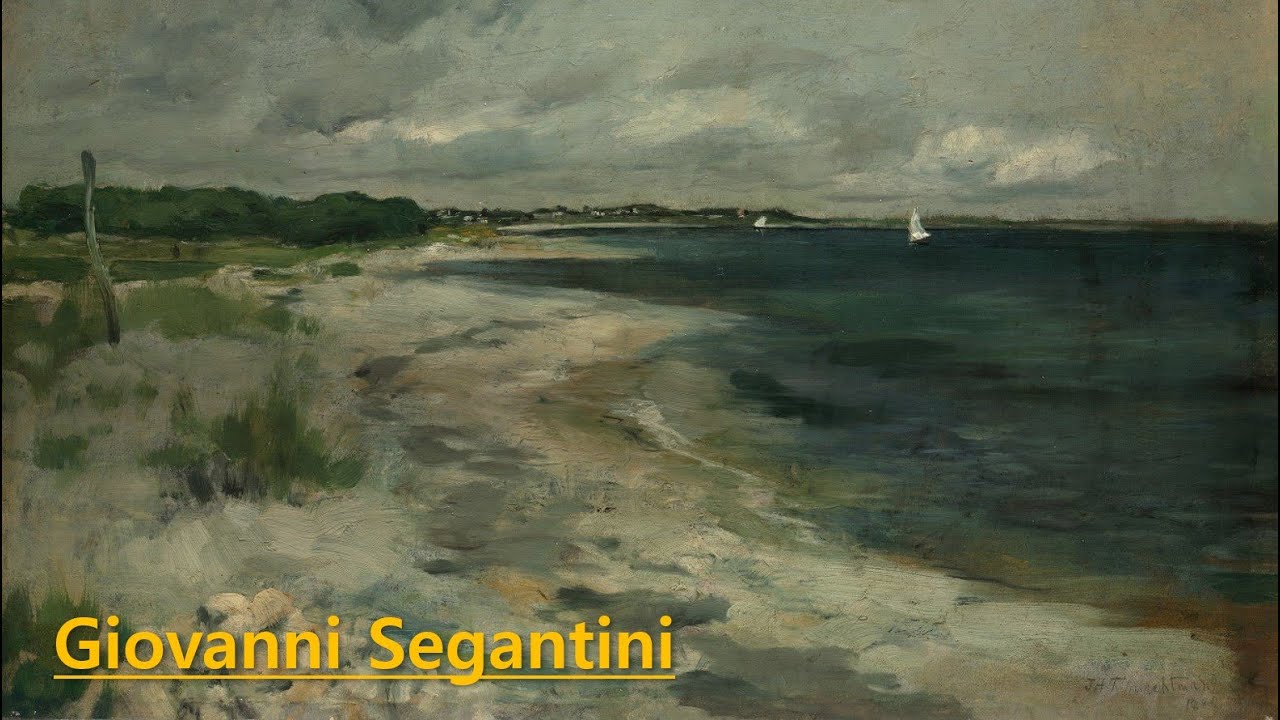
1. Atmospheric Landscapes: One of Twachtman's most distinctive characteristics is his ability to create a sense of atmosphere in his landscapes. His paintings often feature soft, diffused light, and a sense of stillness that invites the viewer to immerse themselves in the natural world.
2. Subtle Color Harmonies: Twachtman's use of color was often understated, using a limited palette of muted tones to create subtle, harmonious compositions. He was particularly skilled at capturing the shifting colors and tones of nature, such as the pale greens of new foliage or the golden hues of autumn leaves.
3. Tonalism: Twachtman is often associated with the tonalist movement, which focused on the use of subtle tonal values to create a sense of mood and atmosphere. He used a range of techniques to achieve this effect, such as blending, glazing, and scumbling, which created a rich, velvety surface on the canvas.
4. Brushwork: Twachtman's brushwork was loose and expressive, capturing the movement and energy of the natural world. He often used a variety of brush sizes and shapes to create different textures and effects, from broad, sweeping strokes to small, delicate details.
5. Experimentation: Throughout his career, Twachtman was constantly experimenting with new techniques and materials. He was one of the first American artists to experiment with the use of opaque watercolor, which allowed him to create subtle gradations of color and texture in his paintings. He also experimented with a variety of other media, including oil, pastel, and lithography.
#JohnHenryTwachtman #AmericanImpressionism #Tonalism #LandscapePainting #AtmosphericLandscapes #PleinAirPainting #Naturalism #ColorHarmonies #Brushwork #ArtOfThe19thCentury #TheTenGroup #BarbizonSchool #MunichSchool #HudsonRiverSchool #Impressionism #ArtHistory #ArtAndCoffee #CoffeeAndArt #MorningCoffeeArt #CoffeeWithArt #ArtLovers #ArtEnthusiast #ArtistsCommunity #ArtistOfInstagram #ArtDaily #DailyArt #ArtisticCommunity #InspiringArt #ArtLife #ArtisticExpression #CoffeeTime #CoffeeBreak #CoffeeLover #CoffeeAddict #CaffeineFix

Информация по комментариям в разработке