NIT International — U.S. - Iran Crisis | Breaking War Update
🟥 U.S. Moves Toward Military Action as Iran Crackdown Triggers Escalation | Aircraft Carriers Deployed | Countdown Begins
Summary of This Report:
The United States has entered a new phase of military readiness following reports of mass repression inside Iran and the collapse of diplomatic restraint. After Washington halted operations in anticipation of de-escalation, new intelligence and developments forced a sharp reversal. U.S. naval and air assets are now moving into operational positions, signaling that deterrence has given way to active preparation.
🔎 This Report Examines:
– Washington Shifts From Restraint to Military Readiness
U.S. officials had paused offensive actions after signals that executions in Iran would be halted. That expectation collapsed when Iranian authorities resumed crackdowns, triggering a decisive change in Washington’s posture.
– Iran’s Internal Crackdown Sparks International Alarm
Reports of large-scale violence against protesters, nationwide internet shutdowns, and internal repression reshaped the crisis. The situation rapidly moved beyond a nuclear dispute into a regime-stability confrontation.
– Trump Issues Direct Warning as Red Lines Are Crossed
President Trump confirmed the movement of U.S. naval forces toward Iran, stating that developments would soon become clear. The message was operational, not diplomatic, underscoring that military options are now active.
– Aircraft Carrier Strike Groups Enter Operational Phase
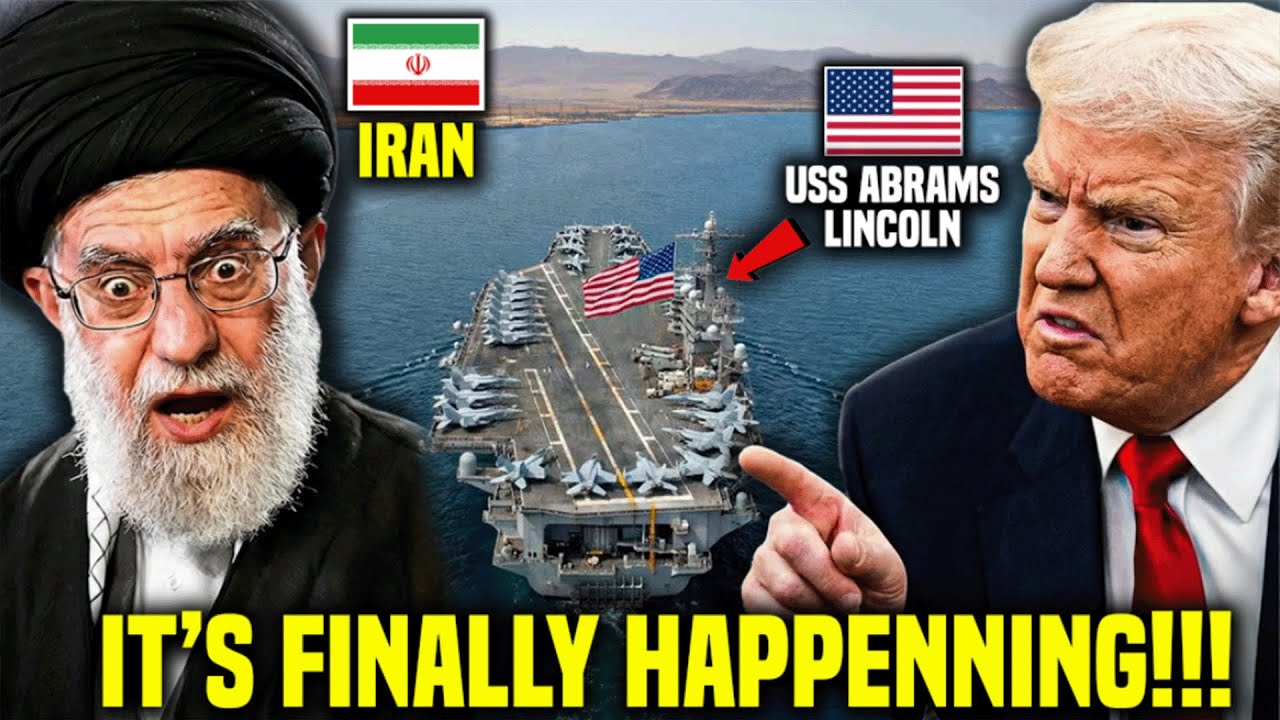
USS Abraham Lincoln disabled its transponder after transiting toward the Indian Ocean, a step associated with real-world combat readiness. Additional U.S. carrier and strike assets repositioned across the region, forming a multi-axis pressure posture.
– Iran Attempts Response, Fails to Disrupt U.S. Assets
Iranian forces reportedly attempted to engage U.S. high-altitude reconnaissance drones. The effort failed, highlighting gaps in Iran’s air defense and electronic warfare capabilities as U.S. systems maintained control of the airspace.
– Supreme Leader Moves to Secure Bunker Locations
As military pressure increased, reports indicated Iran’s leadership relocated to fortified underground facilities, reflecting rising concern over direct U.S. strikes.
– U.S. Builds Layered Strike and Defense Architecture
Carrier air wings, stealth aircraft, electronic warfare platforms, guided-missile destroyers, and nuclear-powered submarines are now integrated into a synchronized force. The objective is to disable radar networks, suppress air defenses, and maintain full operational surprise.
– Massive Airlift Signals Long-Term Operation Readiness
C-5M and C-17 transport aircraft delivered heavy air defense systems, radar components, and logistics infrastructure to Middle Eastern bases. Non-essential personnel evacuations further indicate expectation of imminent escalation.
– NATO and Regional Allies Align With Washington
British, European, and regional forces began coordinated deployments. RAF Typhoons, allied logistics aircraft, and joint air-defense planning underscore a unified Western posture.
– Strategic Outlook: Deterrence Phase Has Ended
The scale, duration, and coordination of U.S. movements indicate preparation for sustained operations rather than symbolic pressure. The crisis now hinges on whether Iran alters course—or forces the next phase to begin.
🔔 For real-time frontline updates, verified intelligence, and strategic insight, subscribe to NIT International — your source for uncompromising analysis on modern warfare.
⚠️ Disclaimer:
This report is based on open-source intelligence, satellite verification, and independent defense assessments. NIT International maintains a nonpartisan stance and does not support any government or armed entity.
Best Regards,
— NIT International Team

Информация по комментариям в разработке