Learn more at www.ScrivenerSuperpowers.com
------
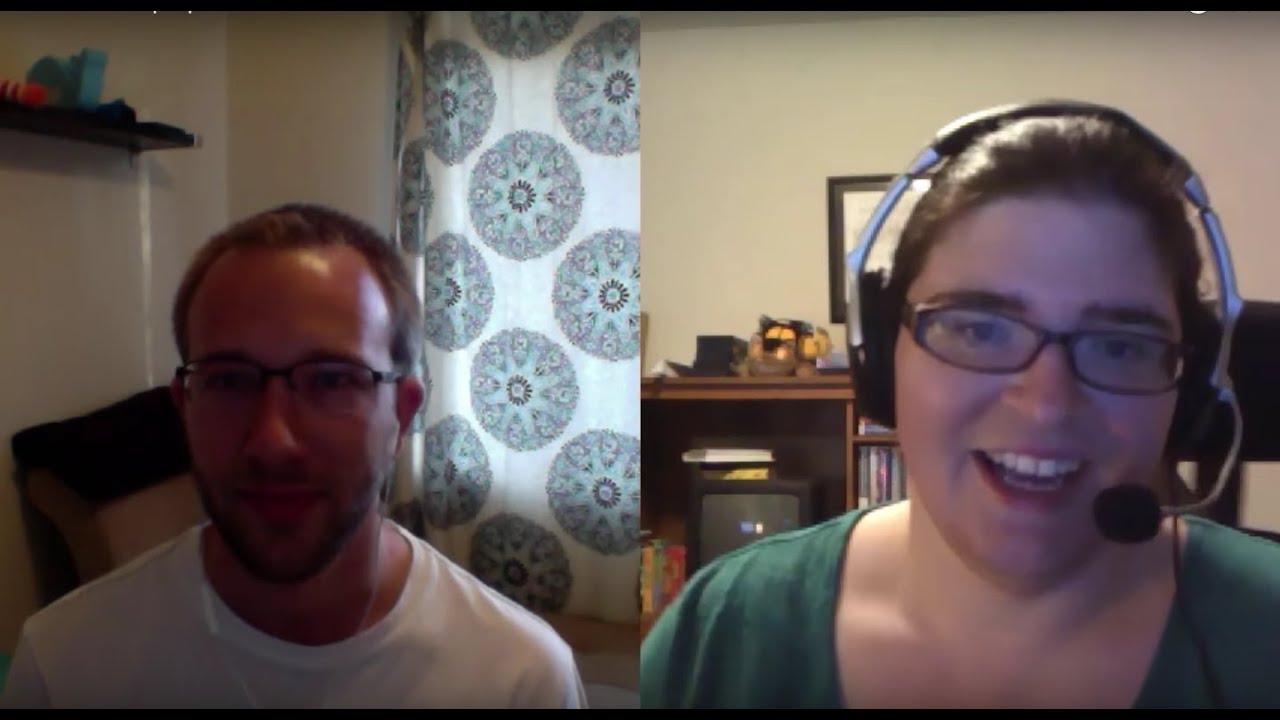
Rachel Aaron is a fantasy and science fiction author who has been writing full-time since 2009. The Legend of Eli Monpress and The Paradox Trilogy (as Rachel Bach) are both published by Orbit, and she has recently self-published the first two books in The Heartstrikers Series plus the non-fiction book 2,000 to 10,000: How to Write Faster, Write Better, and Write More of What You Love. The latter describes how she went from writing 2,000 words a day to 10,000 words a day without increasing her writing time, and it has been a big hit, helping many fellow writers transform their process and become more productive.
Hearing about Scrivener shortly after discovering her 2k to 10k method, Rachel was thrilled to find a program so intuitively suited to her needs. “I was still writing in Word back then because apparently I lived in the Stone Age. But I started the fifth (Eli Monpress) book with my process and Scrivener—and that was like writing candy. It was smooth. It immediately clicked,” she says.
Prior to becoming a full-time author she was a web developer and is analytical in her approach to writing. “There are many different ways of thinking about plots—but I like to think about mine as a system. We have a problem. We have characters. We have all these different things that are all going on at the same time and somehow they all have to make sense. They all have to happen together. And they all have to happen in a way that is interesting. And that’s a pretty big challenge.” Scrivener excels in managing this challenge and allows Rachel to track the unique information relating to the characters and world she is currently writing in—and to keep it all in one place. “That is one of the things I love about Scrivener. I can just make a folder, I can name it anything, I can throw as many pages or pictures or links to other things as I want under there and just keep track of it all.”
For her fiction books she outlines heavily, and prefers to do this in longhand to begin with. But once she is ready to go into detail, everything goes into Scrivener. Rachel has created her own Scrivener template which includes a title page, chapter page, and a resources section. “In the resource section I always have: plot, characters, world, cuts, a folder called edits and an individual page called worksheet, which is where I keep track of all my writing times and numbers. Because for every book I write I’m going to have a plot, I’m going to have characters and I’m going to have a world; I’m going to cut stuff out of it and I’m going to have edits. And then I just change these as I go.”
When plotting she creates a document called her “scene diagram,” a list of where each scene fits and a basic one sentence description of what’s happening in that scene. “I use the scene diagram when I’m looking at my novel to remind me of where I am and what’s going to happen next,” Rachel says. Using the split screen mode to view her scene diagram and her novel at the same time makes this process seamless. A lover of lists, she also creates them for her timeline, scene map and editing notes, all of which play important roles during the drafting and editing stages.
Rachel is aware that she only uses a small number of the available features in Scrivener, but keeping it simple works for her. She sticks to using her template and her lists and loves being able to create infinite folders for chapters and resources. The word count feature is also huge and she customizes things to suit her individual preferences and process. “Scrivener is my environment as a writer. It’s very nice; I feel like it’s my workspace,” she says.
Rachel’s blog is full of tips on becoming a more productive and professional writer and can be found—along with all her books—on her website at www.rachelaaron.net.

Информация по комментариям в разработке