Tiwa (Lalung) Language | Endangered Voice of Northeast India
I love languages, Tiwa language, Lalung language, Hill Tiwa, Plains Tiwa, Tiwa dialects, Tibeto-Burman languages Assam, Sino-Tibetan languages India, endangered languages Northeast India, Tiwa culture, Tiwa people, Tiwa festivals, Sogra festival, Yangli festival, Wanshuwa, Langkhon, Tiwa bamboo crafts, Tiwa dance, Tiwa clans, Tiwa animism, Tiwa Hindu practices, indigenous tribes Assam, Tiwa oral traditions, Tiwa identity, Lalung tribe, tribal communities Assam
Welcome to my channel! This is Andy from I love languages. Let's learn different languages/dialects together.
CHAPTERS:
Introduction: 0:00 - 1:50
Numbers: 1:51 - 2:03
Greetings & Phrases: 2:04 - 2:46
Vocabulary: 2:47 - 4:14
Lord's Prayer: 4:15 - 4:49
Special Thanks to Olphindro Malang
Oi! Ai mung hongdo Andy. Padi khobor?
Hello! My name is Andy. How are you?
Let's talk about the Tiwa language.
Tiwa (Lalung) Language:
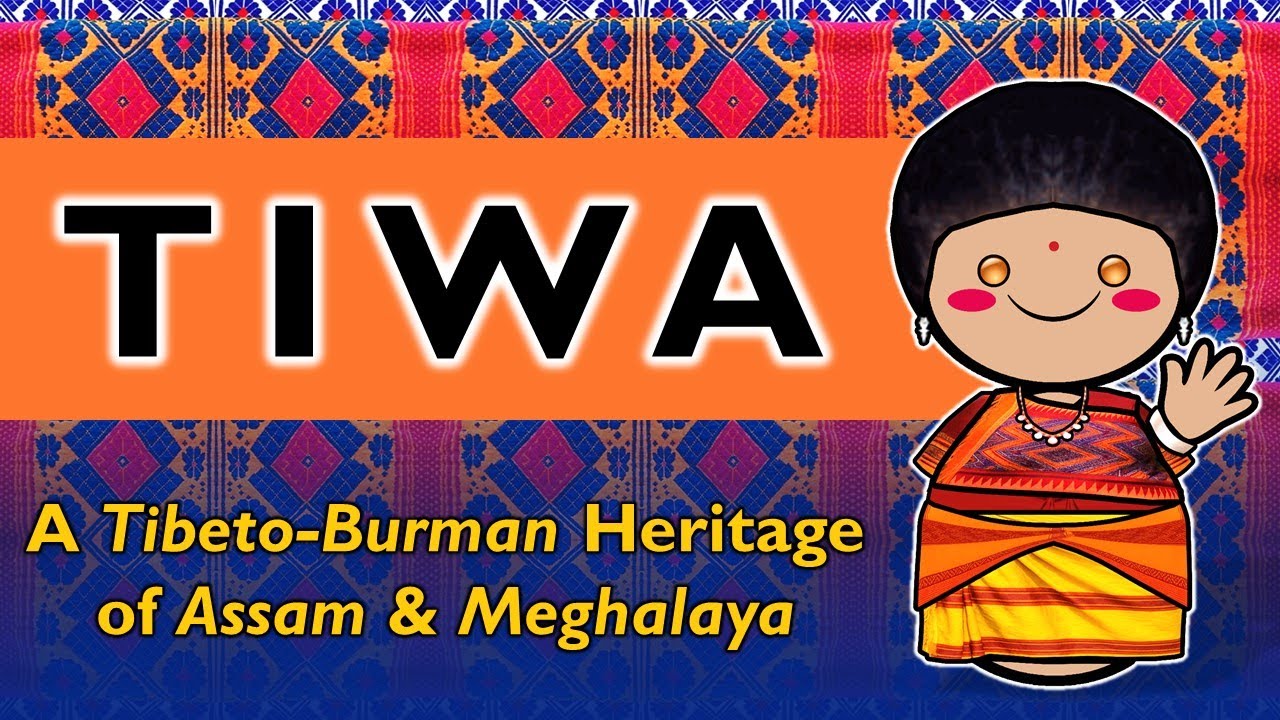
Tiwa, also known as Lalung, is a Tibeto-Burman language spoken by the Tiwa people in parts of Assam and Meghalaya in Northeast India. It belongs to the Sal branch of the Sino-Tibetan language family and shares linguistic features with neighboring Bodo-Garo and other Hill Tibeto-Burman languages. Tiwa exists in two main varieties: Hill Tiwa and Plains Tiwa, with the Hill variety being more conservative and retaining older linguistic features. The language is primarily oral, though there have been efforts in recent years to document and develop a writing system using Roman script. Tiwa is considered endangered due to increasing language shift to Assamese, especially among younger generations.
Tiwa (Lalung) People and Culture:
The Tiwa people, also referred to as Lalung, are an indigenous community primarily residing in the hills of Morigaon, Nagaon, and Kamrup districts of Assam, and parts of Meghalaya. They have a dual identity, with Hill Tiwas maintaining a more traditional tribal lifestyle, while Plains Tiwas have assimilated more into Assamese culture. The Tiwas have a rich cultural heritage marked by vibrant festivals such as Sogra, Yangli, Wanshuwa and Langkhon, traditional music, bamboo crafts, and dance forms. Their society is organized into clans with matrilineal and patrilineal elements depending on the subgroup. The Tiwa people practice a blend of indigenous animist beliefs along with Hinduism, and their rituals and oral traditions play a central role in preserving their identity.
This video is created for educational, language awareness, and language preservation purposes. It aims to provide valuable insights and knowledge to viewers, enhancing their understanding and appreciation of different languages and their unique characteristics. By raising awareness about linguistic diversity, the video seeks to foster a greater respect and recognition for various languages, particularly those that are endangered or underrepresented. Additionally, it contributes to the preservation of languages by documenting and sharing linguistic knowledge, thus ensuring that these languages and their cultural heritage are not lost to future generations.
Please feel free to subscribe to see more of this.
I hope you have a great day! Stay happy!
Please support me on Patreon!
https://www.patreon.com/user?u=16809442.
Please support me on Ko-fi
https://ko-fi.com/otipeps0124
Follow me on Instagram. See you there! ✨✨✨
@ itsmeandy24
https://www.instagram.com/itsmeandy24...
If you are interested to see your native language/dialect featured here.
Submit your recordings to otipeps24@gmail.com.
Looking forward to hearing from you!









Информация по комментариям в разработке