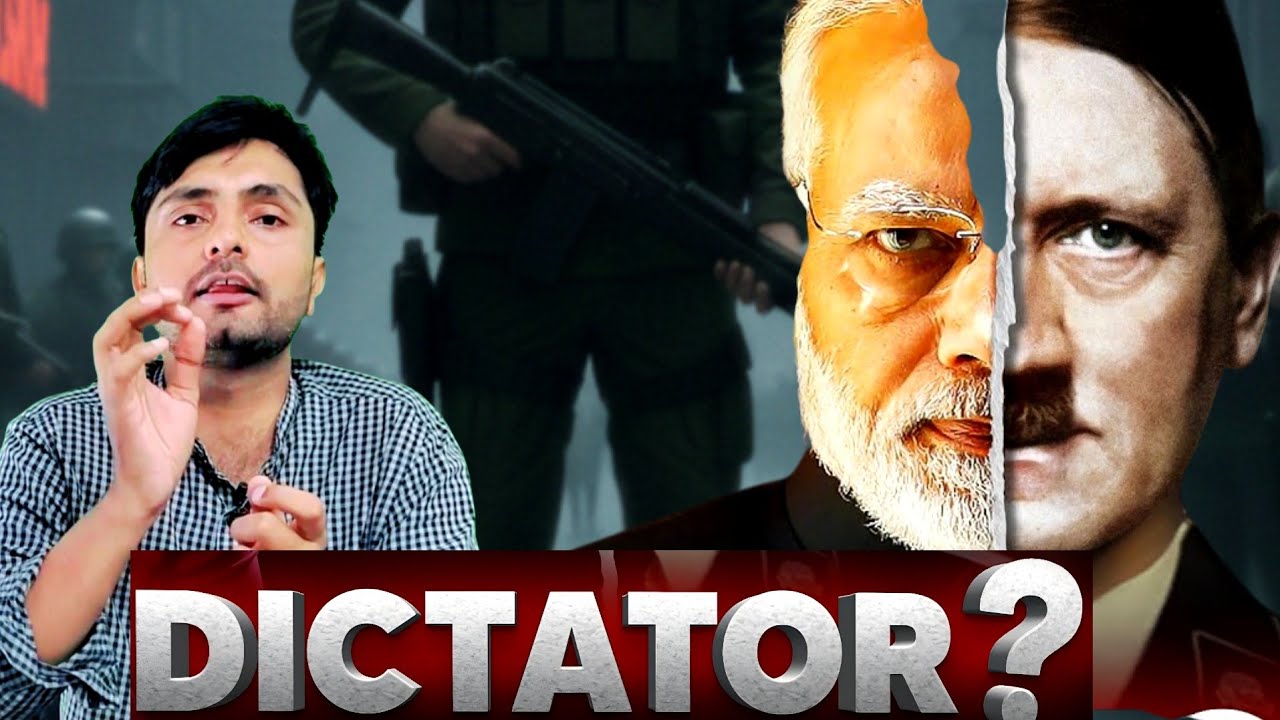
2025 में तानाशाही के रास्ते पर मोदी?😳 | Emergency without Order | Alok Tripathi
In 2025, journalism in India stands at a dangerous crossroads.
The threat to journalism has not arrived suddenly or violently; it has unfolded slowly, quietly, and systematically. Newsrooms have not been shut overnight, newspapers have not been formally banned, and television studios still broadcast debates every evening. Yet, beneath this surface normalcy lies a deeper crisis—one where fear dictates editorial choices, silence replaces investigation, and power increasingly shapes the truth.
Journalists today operate under constant pressure. Reporting facts, asking uncomfortable questions, or challenging the official narrative often comes at a personal cost. Legal intimidation, prolonged investigations, raids, surveillance, online abuse, and character assassination have become routine tools to discipline dissenting voices. Many journalists now spend more time defending themselves in courts or on social media than doing actual reporting. The message is subtle but clear: speak carefully, or pay heavily.
In 2025, self-censorship has emerged as the most effective form of control. Editors hesitate before approving stories that may upset those in power. Reporters second-guess headlines, soften language, or abandon stories altogether. This censorship does not require formal orders; it thrives on fear and uncertainty. When journalists know that truth can invite retaliation, silence begins to look like survival.
The transformation of large sections of media into echo chambers of power is another alarming reality. Prime-time debates often resemble political rallies rather than journalistic discussions. Critical voices are shouted down, facts are replaced by slogans, and nationalism is weaponized to delegitimize dissent. Journalism, instead of holding power accountable, is increasingly used to manufacture consent.
Digital journalism, once seen as a space of hope, is also under strain. Independent platforms face financial starvation, algorithmic suppression, and legal threats. Journalists working online are targeted relentlessly through coordinated abuse, threats of violence, and misinformation campaigns designed to destroy credibility. The cost of independent journalism has become unbearably high.
The real tragedy of 2025 is not just the persecution of journalists but the erosion of the public’s right to know. When journalism is weakened, democracy suffers. Corruption goes unchecked, injustice remains hidden, and power operates without scrutiny. A society without fearless journalism slowly loses its ability to question, to think, and to resist.
Journalism has always been uncomfortable for those in authority. Its duty is not to please, but to question. In 2025, the struggle of Indian journalism is a struggle for democracy itself. The fight is not merely about journalists—it is about whether truth can still survive in a climate of fear.
Because when journalism is silenced, democracy does not die loudly; it fades quietly.
#narendramodi #rahulgandhi #modi
#JournalismUnderThreat #PressFreedom #IndianMedia #FreedomOfExpression #DemocracyAtRisk
#TruthUnderPressure
#JournalistsInDanger #MediaCrisis
#RightToKnow
#SaveJournalism

Информация по комментариям в разработке