http://www.JungleMedicineHouse.com
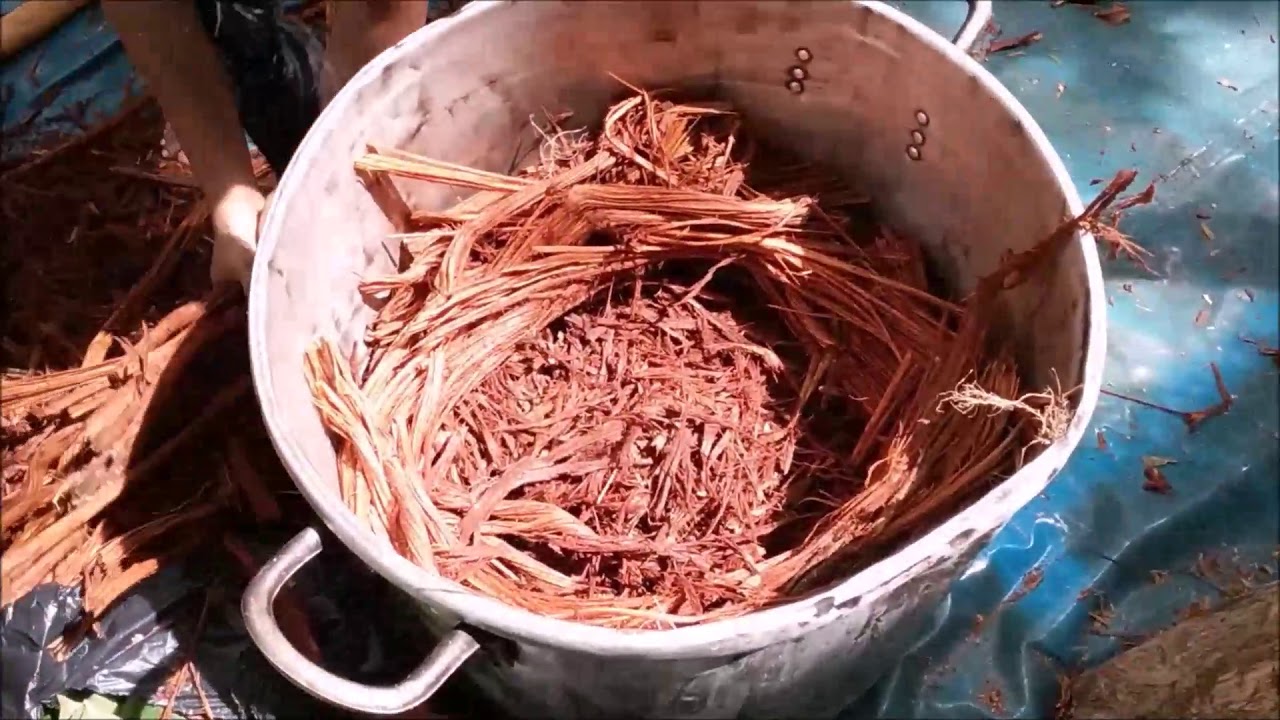
Ayahuasca Mircodose drops -How we make it.
Pure ayahuasca caapi vine for microdosing. 6 to 10 drops under your tongue a day is wonderful for social anxiety, mild depression, calmness and focus. 100% legal...no dmt. shipped to your house in 3 to 4 days ready to use.
Microdosing
When you microdose it is for your well being, health, mind and spirit and to be connected with Madre/Mother Ayahuasca. When you Macrodose, this is done in ceremony with shamans or should be done with shamans in our opinion, because we respect the plant of Ayahuasca in our tradition and it is like a sacrament. Even when microdosing, you should have intentions for your days, of good thoughts and respect the plant for which it gives great benefits. When you partake in ceremonial Ayahuasca, you would stick to the known Dieta, which I will touch upon briefly, because it does not apply when microdosing Ayahuasca. Everything is allowed when microdosing just the Vine, because of just that, it is just the Vine of Ayahuasca. You still receive the ‘glow’ and benefits of the feeling well aspect you get after ceremony. Why? Because this is what the vine does on it’s own. When doing the Vine only, you don’t get that “light show and fireworks” or the geometry, and visions. You obtain insight, clarity, patience, endurance, vitality and just feeling great. For those that do ceremonial ayahuasca, this is an excellent way to keep you in touch with ‘La Madre’ where there are no ceremonies around.
The alkaloids in the pure vine only are harmine, harmaline and tetrohydroharmine - known as beta carbolines, they are amazing. Beta-Carboline alkaloids are a large group of natural and synthetic indole alkaloids with different degrees of aromaticity, some of which are widely distributed in nature, including various plants, foodstuffs, marine creatures, insects, mammalians as well as human tissues and body fluids. These compounds are of great interest due to their diverse biological activities. Particularly, these compounds have been shown to intercalate into DNA, to inhibit CDK, Topisomerase, and monoamine oxidase, and to interact with benzodiazepine receptors and 5-hydroxy serotonin receptors. Furthermore, these chemicals also demonstrated a broad spectrum of pharmacological properties including sedative, anxiolytic, hypnotic, anticonvulsant, antitumor, antiviral, antiparasitic.
Pure Ayahuasca Vine Only is legal. Microdosing is WITHOUT the Chakruna plant which has the DMT in it and combined with Ayahuasca you will reach hallucinations. THIS is NOT that.. Caapi, also known as Banisteriopsis caapi, is a vine native to the Amazon rainforest and is most famous for its use in traditional South American indigenous cultures, particularly in ayahuasca ceremonies. Caapi itself is not typically used for its medicinal effects in isolation but rather as a key ingredient in the preparation of ayahuasca, a psychoactive brew. However, some research suggests that caapi may possess certain medicinal properties on its own. Here are some potential medicinal effects attributed to caapi:
1. **Antidepressant Effects**: Some studies suggest that the beta-carboline alkaloids found in caapi, such as harmine and harmaline, may have antidepressant properties. These compounds are known to inhibit the enzyme monoamine oxidase (MAO), which can increase levels of neurotransmitters like serotonin, dopamine, and norepinephrine in the brain.
2. **Anxiolytic (Anti-Anxiety) Effects**: Similar to its potential antidepressant effects, the beta-carboline alkaloids in caapi may also have anxiolytic effects, helping to reduce anxiety and promote relaxation.
3. **Neuroprotective Effects**: Some research indicates that the beta-carboline alkaloids found in caapi possess neuroprotective properties, which may help protect against neurodegenerative diseases like Alzheimer's and Parkinson's disease.
4. **Antioxidant Effects**: Caapi contains compounds with antioxidant properties, which may help protect cells from oxidative stress and reduce the risk of chronic diseases associated with inflammation and oxidative damage.
5. **Anti-inflammatory Effects**: Some studies suggest that caapi may have anti-inflammatory effects, which could be beneficial for conditions characterized by inflammation, such as arthritis and inflammatory bowel disease.
6. **Analgesic Effects**: Traditional indigenous uses of caapi include using it as a pain reliever. While scientific research in this area is limited, some anecdotal evidence supports its analgesic properties.
Additionally, caapi should be used with caution, especially in combination with other medications or substances, due to its MAO-inhibiting effects, which can interact with certain drugs and foods and cause potentially serious side effects.

Информация по комментариям в разработке