According to the Cloud Security Report by Cybersecurity Insiders, the top cloud security concern among cybersecurity professionals is data loss and leakage. The leading cause is unauthorized access, often due to misuse of employee credentials and improper access controls—followed closely by insecure interfaces and APIs.
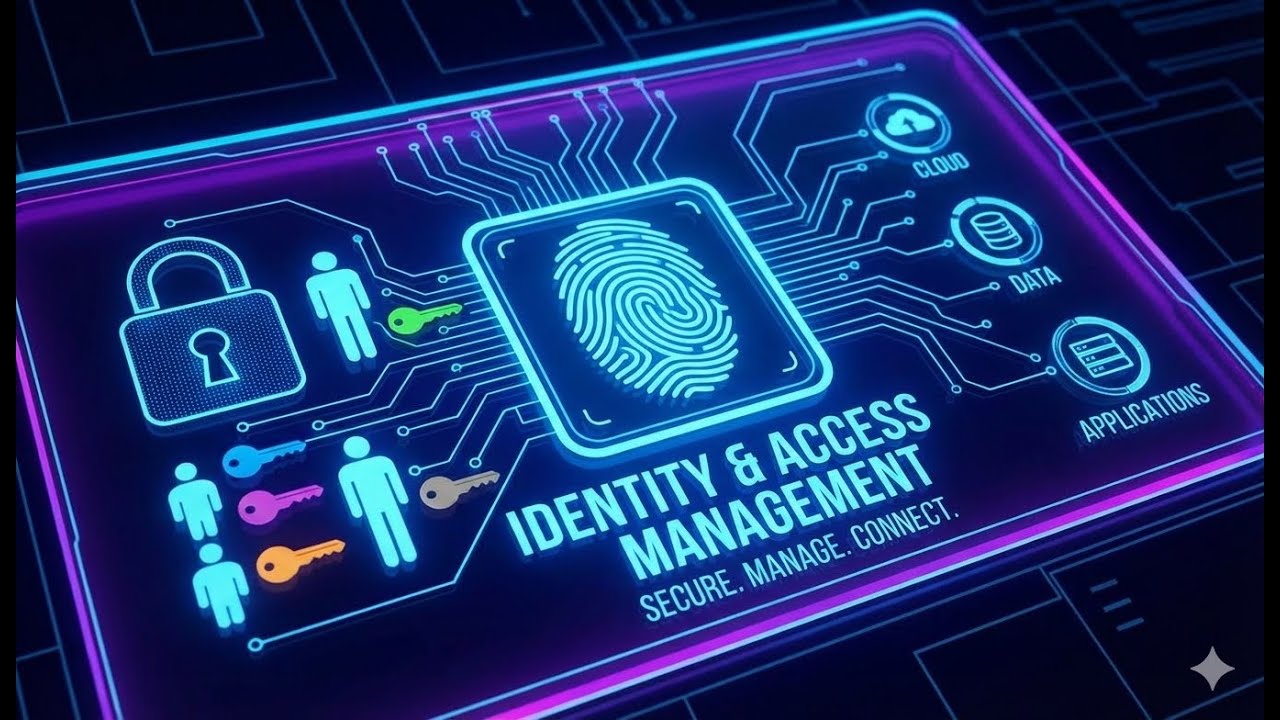
In this video, we explore Identity and Access Management (IAM), also known as access control, and how it serves as the first line of defense in securing cloud environments by authenticating users, authorizing actions, and enforcing least-privilege access to cloud resources.
🔍 What You’ll Learn in This Video:
🔐 Why IAM Is Critical to Cloud Security
Preventing unauthorized access and credential misuse
Reducing the risk of data breaches and insider threats
Securing cloud resources, services, and applications
👥 Types of Users in Cloud IAM
1️⃣ Administrative Users
Cloud administrators, operators, and managers
Manage infrastructure, services, and user access
High-risk accounts—if compromised, attackers can steal data, deploy malware, or destroy applications
2️⃣ Developer Users
Application and platform developers
Authorized to create, modify, and delete applications
Access to sensitive configurations and data
3️⃣ Application Users
End users of cloud-hosted applications
Require secure authentication and authorization mechanisms
🧩 Core Components of Identity and Access Management
🔑 Authentication
Verifies user identity using:
Cloud directories
Enterprise identity providers
Social identity providers (Google, LinkedIn, Facebook, Twitter)
API keys and service credentials for application and service identity
🔐 Multi-Factor Authentication (MFA)
Adds an extra layer of protection using:
One-time passwords (OTP)
Tokens and certificates
Risk-based authentication (location, behavior, activity patterns)
📂 Cloud Directory Services
Centralized management of user identities and credentials
Eliminates the need for application-specific user repositories
📊 Reporting, Audit, and Compliance
Visibility into:
Who has access to what
Changes in access permissions
How access is being used
Supports regulatory compliance and security audits
⚙️ User & Service Access Management
Automated provisioning and de-provisioning of users
Role-based access control (RBAC)
Immediate removal of access when users change roles or leave
Key Security Controls:
Role-based permissions
Strong password policies
Mandatory MFA
Lifecycle management of admin and developer accounts
👥 Access Groups & Policies
Access Groups:
Group users and service IDs for simplified access management
Access Policies define:
Subject: User, service ID, or access group
Target: Resource or service
Role: Allowed actions on the resource
✅ Access groups reduce policy sprawl and improve security consistency.
🎯 Key Takeaway
Identity and Access Management is the foundation of cloud security. By enforcing strong authentication, authorization, and lifecycle controls, IAM protects against the most common and dangerous cloud security threats—unauthorized access and data leakage.
Credit of Coursera
https://www.coursera.org
Course:
https://www.coursera.org/learn/introd...
Dev-Axis :
www.dev-axis.com
#cloudsecurity
#iam
#identityaccessmanagement
#cybersecurity
#zerotrust
#cloudcomputing
#mfa
#accesscontrol

Информация по комментариям в разработке